


 Preview
 Send
Send Share
Share
 Details
 Guide
Guide

 Download
 Similars
 X-Ray
X-Ray Diaporama
 Stats
StatsThe Farrier
 Oil On Panel
- WallArt
- Dutch Golden Age Landscape
 1651
1651- Early Modern
 48.0 x 61.0 cm
 Metropolitan Museum of Art
Known for his atmospheric nightscapes and winter landscapes emphasizing subtle light and mood, Aert van der Neer’s ‘The Farrier’ exemplifies the Romantic spirit of Dutch painting.
 Read More
Aert van der Neer (1603-1677) was a Dutch Golden Age landscape painter renowned for his atmospheric night scenes, winter landscapes & masterful use of moonlight. Explore his tranquil river views and unique light effects.
Giclée / Art Print
Museum-quality giclée or canvas print with fast production and flexible finish options. ( Buy Hand Made Painting Switch to Digital Image)




P118B $10

P118H $10

P118W $10

P438Z $10

P508JH $12

P508YH $12

P805H $10

P805Z $10

P919BZ $10

P919G $10

P919XJ $10

P959ZH $10

P968JZ $12

W106C $8

W218G $10

W218JH $8

W218Y $10

W307PJ $10

W316G $10

W316PJ $8

W316Y $10

W398PJ $8

W4111J $10

W500HY $15

W500JH $15

W692G $12

W849H $8

W940BG $15

W953PJ $8




Standard
custom
CM
INCH
Pick from our preset sizes that match the artwork's original proportions.
Loading sizes...

width
height
You may enter your own dimensions to fit a specific frame or space. If your selected size does not match the original image's proportions, we will either crop the artwork or extend the image with a mirrored or solid-fill edge. A digital mockup will be sent for your approval before production begins.
Please note that the on-screen preview does not reflect the actual cropping or extension. Only the mockup will accurately show the final composition.
While custom sizes are available, we recommend selecting a dimension from the predefined list to preserve the original proportions.
Worldwide Delivery () in 2 weeks instead of standard 4/5 weeks. (26 September)

Free Worldwide Express Shipping

High-Quality Linen Canvas

Full Shipping Insurance

Customs Tax Refund Guarantee

True Color Matching Guarantee

100-Day Return Policy (Defects Only)

100% Money-Back Guarantee

Bulk Discount Offer
 Glass option is only available in size under 110 CM

The Farrier
Giclée / Art Print
Reproduction Size
-


Total Price
$ 70
A Nocturnal Symphony of Light and Shadow
In the quietude of the Dutch Golden Age, few artists possessed the ability to capture the ephemeral magic of the night quite like Aert van der Neer. His 1651 masterpiece, “The Farrier,” serves as a profound meditation on the interplay between human industry and the vast, atmospheric mysteries of the natural world. The canvas transports the viewer to a chilly winter evening along a riverbank, where a blacksmith’s forge nestles against the edge of a dense, brooding woodland. Rather than seeking the grand, sweeping vistas typical of his contemporaries, van der Neer invites us into an intimate, almost psychological encounter with rural life. As we gaze upon the scene, the dampness of the night air feels palpable, and the rhythmic labor of the farrier becomes a silent, steady heartbeat within the stillness of the landscape.
The technical brilliance of this work lies in van der Neer’s unparalleled mastery of chiaroscuro and atmospheric haze. He employs a sophisticated, muted palette—dominated by deep blues, somber greys, and earthy browns—to evoke the biting chill of a Dutch winter. Through the meticulous application of thin, translucent glazes, the artist achieves a breathtaking sense of depth, allowing light to diffuse through mist and moonlight with startling realism. The glow from the forge provides a singular, warm focal point amidst the pervasive gloom, creating a dramatic tension that draws the eye toward the solitary figure attending to the horses. This delicate manipulation of light does more than just illuminate the subject; it breathes life into the very air, making the heavy, moisture-laden atmosphere feel as though it might press against the surface of the painting itself.
Symbolism and the Spirit of Resilience
Beyond its visual splendor, “The Farrier” is rich with symbolic resonance that speaks to the enduring human spirit. The darkened forge, a site of heat and transformation, stands as a powerful emblem of industry and resilience in the face of nature's cold indifference. The horses, captured in various states of repose and movement, serve as symbols of strength and vitality, grounding the ethereal nocturnal setting in the tangible reality of agricultural life. There is a profound sense of dignity found in this depiction of everyday labor; van der Neer elevates a common scene of maintenance into a poetic narrative about the persistence of life even during the most desolate seasons.
For the discerning collector or interior designer, this painting offers much more than mere decoration. It provides a window into a vanished era, bringing a sense of historical weight and contemplative calm to any space. The moody, atmospheric qualities of the piece make it an extraordinary choice for creating a focal point in a room that demands sophistication and depth. Whether placed in a contemporary gallery setting or a classic study, “The Farrier” continues to evoke a sense of wonder, reminding us of the beauty found in the quiet, unobserved moments of our existence. To possess a reproduction of this work is to invite the hauntingly beautiful moonlight of the seventeenth-century Netherlands into one's own environment.
Artist Biography
Aert van der Neer: Master of Moonlight and Winter Landscapes
Aert van der Neer (c. 1603 – 9 November 1677) stands as a singular figure in Dutch Golden Age landscape painting, celebrated for his hauntingly beautiful depictions of nocturnal scenes bathed in ethereal moonlight and the crisp stillness of winter landscapes—particularly those overlooking canals and rivers. Unlike many of his contemporaries who favored grand vistas or idealized pastoral views, van der Neer focused on capturing subtle atmospheric effects and intimate moments within nature, establishing him as a pioneer of psychological realism within genre painting. His ability to evoke the biting chill of a frozen canal or the silvered glow of a midnight sky allows the viewer to step directly into the quietude of the seventeenth-century Netherlands.Early Life and Artistic Foundations
Information regarding van der Neer’s formative years remains shrouded in the mists of history, yet his artistic essence is deeply rooted in the Dutch soil. While biographical accounts suggest he was born in Gorinchem around 1604, his true lineage is found in the brushstrokes of his contemporaries. His artistic education likely stemmed from exposure to influential painters like Rafael and Jochem Govertsz Camphuysen, whose stylistic sensibilities undoubtedly impacted his own burgeoning talent. This connection to a prominent artistic family fostered an environment conducive to honing skills and exploring innovative approaches to visual representation. Through this early immersion, he began to develop a unique eye for the interplay between light and shadow, a trait that would become his lifelong signature.The Language of Moonlight and Technique
Van der Neer's distinctive style is immediately recognizable by his masterful manipulation of light—specifically moonlight—and its delicate interplay with firelight. He eschewed dramatic, sweeping compositions in favor of understated landscapes populated by figures engaged in the rhythmic activities of everyday life. In his works, one might find:- Skaters gliding gracefully across frozen waterways during the height of winter.
- Kolf players pursuing their shots amidst soft snowdrifts.
- Fishermen patiently awaiting their catch under the watchful eye of a rising moon.
- Horse-drawn sleighs navigating the quiet, icy paths of a sleeping town.
Legacy and Historical Significance
The historical significance of Aert van der Neer lies in his ability to elevate the "small" landscape into a realm of high emotional resonance. While other masters sought the monumental, van der Neer found greatness in the fleeting and the quiet. His works, such as the breathtaking Landscape at Sunset or his lively winter scenes near Dutch towns, serve as timeless glimpses into seventeenth-century life. He remains a cornerstone of the Dutch Golden Age, remembered not just for his technical prowess, but for his ability to capture the very soul of the nocturnal world. His influence persists in the way we perceive the beauty of the night, reminding us that even in the darkest hours, there is a profound and luminous grace to be found in the natural world.
Aert van der Neer
1604 - 1677 , Netherlands
Quick Facts
- Artistic Movement Or Style: Dutch Golden Age Landscape Painting
- Artists Or Movements Influenced By This Artist: ['Albert Cuyp']
- Artists Who Influenced This Artist:
- Rafael
- Jochem Govertsz Camphuysen
- Date Of Birth: Amsterdam, Netherlands (1604)
- Date Of Death: 1677
- Full Name: Aert van der Neer
- Nationality: Dutch
- Notable Artworks:
- Winter in Holland: Skating Scene
- River landscape by moonlight
- Moonlit landscape with bridge
- Place Of Birth: Gorinchem
Related Articles

Golden Light & Dutch Skies: The Timeless Magic of Dutch Golden Age Landscapes
Discover the breathtaking beauty of Dutch Golden Age landscapes. Explore the mastery of light, chiaroscuro, and 17th-century realism through an expert art history lens, celebrating the enduring legacy of the Dutch Masters for discerning collectors and art lovers.
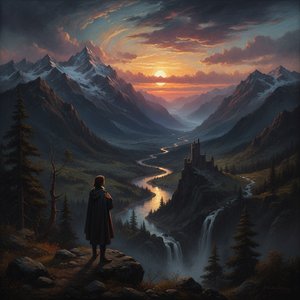
Capturing the Soul: The Emotional Majesty and Sublime Power of Romantic Landscape Painting
Explore the profound emotional depth of Romantic landscape painting. Discover how masters like Turner and Friedrich captured the sublime power of nature through intuition and imagination in this expert art history retrospective.
Explore artworks organized by themes, styles, and characteristics.


