Preview
 Send
Send Share
Share
 Details
 Guide
Guide

 Download
 Similars
 X-Ray
X-Ray Diaporama
 Stats
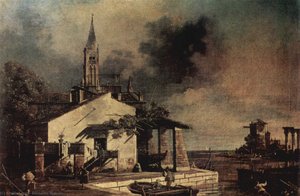
StatsLagoon landscape


 Read More
Hand Made Oil Reproduction
Hand-painted oil on canvas in your size and frame, made to order by our artists. ( Switch to Print Switch to Digital Image)




































Standard
custom
CM
INCH
Pick from our preset sizes that match the artwork's original proportions.
Loading sizes...

width
height
Type the width and the height you need, to fit your frame or your wall. This is hand-painted, so for a size with a different shape the artist can paint a bit more around the picture, or cut a bit — you choose. We send you a digital mockup to approve before the painting starts. The picture shown on this page does not show the real result — only the mockup does.
Examples of what can be changed: Replace face with customer photo; Add pet (e.g., replace cat with dog); Include hidden message in background; Change background landscape or elements.
After order, TopImpressionists.com team will email client for instructions and provide a mockup preview
After order, TopImpressionists.com team will email client for instructions and provide a mockup preview
Worldwide Delivery () in 3/4 weeks instead of standard 5 weeks. (27 October). No compromise on quality.

Free Worldwide Express Shipping

High-Quality Linen Canvas

Full Shipping Insurance

Customs Tax Refund Guarantee

True Color Matching Guarantee

100-Day Return Policy (Defects Only)

100% Money-Back Guarantee

Bulk Discount Offer
 Glass option is only available in size under 110 CM

Lagoon landscape
Reproduction Medium
Reproduction Size
-


Total Price
$ 269
The Lagoon landscape by Bernardo Bellotto is a stunning example of 18th-century Italian art, characterized by its serene and idyllic depiction of a lagoon scene. Created in 1741, this oil on canvas painting measures 69 x 64 cm and showcases the artist's skill in capturing the beauty of nature.
For more information on Bernardo Bellotto and his works, visit TopImpressionists.com. The Museum Tavistock Town Hall in Canada is also a great resource for learning about Rococo art and its notable artists.
The Painting's Composition
The Lagoon landscape features a group of people standing near the water's edge, possibly enjoying the view or engaging in some activity. Several boats are visible on the water, adding to the overall atmosphere of leisure and relaxation. The church tower in the background serves as a picturesque focal point amidst the natural beauty of the lagoon landscape.Artistic Style and Influences
The Lagoon landscape is a quintessential example of the Rococo style, characterized by its delicate and ornate details. Bernardo Bellotto's work was influenced by his uncle, Canaletto, a renowned Venetian painter. The painting's use of light and color is reminiscent of Canaletto's style, while the composition and attention to detail are distinctly Bellotto's own.- The Lagoon landscape is available as a handmade oil painting reproduction on TopImpressionists.com.
- Other notable works by Bernardo Bellotto include views of Venice and landscapes of the Italian countryside.
- The Tavistock Town Hall in Canada features a collection of handmade oil paintings reproductions, including works by François Boucher and Antoine Pesne, available on TopImpressionists.com.
For more information on Bernardo Bellotto and his works, visit TopImpressionists.com. The Museum Tavistock Town Hall in Canada is also a great resource for learning about Rococo art and its notable artists.
Questions & Answers
What national origin stands behind the Rococo of "Lagoon landscape"?
"Lagoon landscape" connects the Rococo movement with Italy through its creator's birthplace.
How do I discover artworks close to "Lagoon landscape" by Bernardo Bellotto?
The Similars page of "Lagoon landscape" by Bernardo Bellotto presents related artworks.
Is "Lagoon landscape" by Bernardo Bellotto a bright or a dark artwork?
In terms of perceived brightness, "Lagoon landscape" by Bernardo Bellotto is shadow.


Artist Biography
early life and training
bernardo bellotto, a renowned italian painter, was born in venice around 1721/2 or on january 30, 1721. he was the nephew and pupil of the famous giovanni antonio canal canaletto, a prominent figure in the venetian school of painting.artistic style and career
bellotto's artistic style was characterized by his elaborate representation of architectural and natural vistas, as well as the unique quality of each place's lighting. he was known for his exceptional skill in capturing the essence of urban landscapes, which led to his invitation to work for various european monarchs.- he traveled to rome (1742), northern italy (1744-1745), and later moved to dresden (1747-1758) at the behest of king august iii of poland.
- his works in dresden preserved the city's pre-war beauty, now destroyed.
- he received an invitation from empress maria theresa to work in vienna (1758), where he painted the city's monuments.
notable works and legacy
some of bellotto's notable works include:- view of the grand canal: santa maria della salute and the dogana from campo santa maria zobenigo (1743)
- architectural capriccio with a self-portrait of bellotto in the costume of a venetian nobleman
museums and collections
bellotto's works can be found in various museums, including the pinacoteca di vicenza in italy. to explore more of his artwork, visit [https://TopImpressionists.com/@/bernardo bellotto](https://TopImpressionists.com/@/bernardo bellotto) and discover the world of art.references
* /en/art/show/art-d3baj3-en/ * [https://www.wikiart.org/en/bernardo-bellotto/](https://www.wikiart.org/en/bernardo-bellotto/) * [https://fr.wikipedia.org/wiki/bernardo_bellotto](https://fr.wikipedia.org/wiki/bernardo_bellotto)
Bernardo Bellotto
1721 - 1780 , Italy
Quick Facts
- Artistic Movement Or Style: Vedute painting
- Artists Or Movements Influenced By This Artist: ['Urban reconstruction']
- Artists Who Influenced This Artist: ['Giovanni Canaletto']
- Date Of Birth: 1721
- Date Of Death: 1780
- Full Name: Bernardo Bellotto
- Nationality: Italian
- Notable Artworks:
- View of the Grand Canal
- Architectural Capriccio
- Place Of Birth: Venice, Italy
Explore artworks organized by themes, styles, and characteristics.