Preview
 Send
Send Share
Share
 Details
 Guide
Guide

 Download
 Similars
 X-Ray
X-Ray Diaporama
 Stats
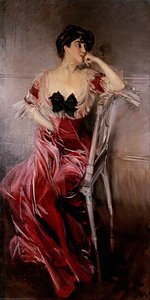
StatsThe Hammock
 Oil On Panel
- Impressionism
 1874
1874 18.0 x 14.0 cm
Experience the serene beauty of Giovanni Boldini’s ‘The Hammock,’ an exquisite 1874 Impressionist painting depicting a woman in a woodland setting. This captivating portrait showcases Boldini's masterful technique and evokes a peaceful mood, perfect for art lovers.
 Read More
Giovanni Boldini (1842-1931) was an Italian Impressionist painter celebrated for his elegant portraits of Parisian society and flowing, dynamic style. Discover the 'Master of Swish's' art!
Hand Made Oil Reproduction
Hand-painted oil on canvas in your size and frame, made to order by our artists. ( Switch to Print Switch to Digital Image)




P118B $10

P118H $10

P118W $10

P438Z $10

P508JH $12

P508YH $12

P805H $10

P805Z $10

P919BZ $10

P919G $10

P919XJ $10

P959ZH $10

P968JZ $12

W106C $8

W218G $10

W218JH $8

W218Y $10

W307PJ $10

W316G $10

W316PJ $8

W316Y $10

W398PJ $8

W4111J $10

W500HY $15

W500JH $15

W692G $12

W849H $8

W940BG $15

W953PJ $8




Standard
custom
CM
INCH
Pick from our preset sizes that match the artwork's original proportions.
Loading sizes...

width
height
Type the width and the height you need, to fit your frame or your wall. This is hand-painted, so for a size with a different shape the artist can paint a bit more around the picture, or cut a bit — you choose. We send you a digital mockup to approve before the painting starts. The picture shown on this page does not show the real result — only the mockup does.
Examples of what can be changed: Replace face with customer photo; Add pet (e.g., replace cat with dog); Include hidden message in background; Change background landscape or elements.
After order, TopImpressionists.com team will email client for instructions and provide a mockup preview
After order, TopImpressionists.com team will email client for instructions and provide a mockup preview
Worldwide Delivery () in 3/4 weeks instead of standard 5 weeks. (22 October). No compromise on quality.

Free Worldwide Express Shipping

High-Quality Linen Canvas

Full Shipping Insurance

Customs Tax Refund Guarantee

True Color Matching Guarantee

100-Day Return Policy (Defects Only)

100% Money-Back Guarantee

Bulk Discount Offer
 Glass option is only available in size under 110 CM

The Hammock
Reproduction Medium
Reproduction Size
-


Total Price
$ 269
A Moment of Tranquility: Exploring Boldini's "The Hammock"
Giovanni Boldini’s “The Hammock,” painted in 1874, is more than just a depiction of a woman relaxing outdoors; it’s a masterful distillation of Impressionistic ideals and the burgeoning desire for leisure within Parisian society. This oil on panel piece, measuring a modest 18 x 14 cm, immediately draws the viewer into a scene of serene beauty – a young woman enveloped in a blue and red blanket-draped hammock nestled deep within a verdant woodland. Boldini’s skill lies not just in his technical proficiency but in his ability to evoke an atmosphere of profound peace and quiet contemplation.
- Impressionistic Technique: Boldini employs loose, visible brushstrokes characteristic of the Impressionist movement. The paint isn't blended smoothly; instead, it’s applied with a deliberate energy, capturing the fleeting effects of light and shadow on the woman’s form and the surrounding foliage. This technique creates a shimmering quality, particularly noticeable in the dappled sunlight filtering through the trees.
- Color as Emotion: The strategic use of color is crucial to the painting's impact. The vibrant blues and reds of the blanket provide a striking contrast against the muted greens and browns of the natural setting, drawing attention to the woman’s comfort and relaxation. These colors aren’t merely descriptive; they contribute directly to the emotional tone of the piece.
- Compositional Harmony: The composition itself is carefully balanced. The hammock acts as a central anchor, while the trees in the background create depth and a sense of limitless space. The inclusion of a soaring bird adds a touch of dynamism, preventing the scene from feeling static or overly sentimental.
A Window into the Belle Époque
“The Hammock” offers a fascinating glimpse into the cultural landscape of the late 19th century – the Belle Époque. This period was marked by an increasing emphasis on leisure, luxury, and the pursuit of beauty. Boldini’s subject matter reflects this shift; the woman in the hammock represents a new ideal of feminine grace and refinement, enjoying a moment of respite from the demands of urban life. The painting speaks to a desire for escape, for connection with nature, and for the simple pleasures of existence – values that resonated deeply with Parisian society at the time.
Boldini’s work aligns perfectly with the broader artistic trends of the era, particularly his association with the Macchiaioli. Their influence is evident in Boldini's emphasis on capturing light and color directly from nature, rather than relying on traditional academic techniques. This approach paved the way for many subsequent Impressionist painters.
Symbolism and Interpretation
Beyond its surface beauty, “The Hammock” carries subtle symbolic weight. The hammock itself can be interpreted as a symbol of comfort, security, and rest – a refuge from the stresses of modern life. The woman’s relaxed posture suggests contentment and tranquility. The surrounding natural setting reinforces this theme, reminding us of the restorative power of nature.
The inclusion of the bird adds another layer of meaning. Birds are often associated with freedom, spirituality, and hope – further enhancing the painting's positive and uplifting message.
Owning a Piece of Art History
TopImpressionists offers meticulously crafted hand-painted reproductions of “The Hammock,” allowing you to bring this iconic Impressionist masterpiece into your home or office. Each reproduction is created using the same techniques employed by Boldini himself, ensuring an authentic and enduring representation of this remarkable work. Whether you are a seasoned art collector, an interior designer seeking to add a touch of elegance, or simply someone who appreciates beauty, a TopImpressionists reproduction of “The Hammock” is a timeless investment that will enrich your life for years to come.
Questions & Answers
Where can I buy a print of "The Hammock" by Giovanni Boldini?
To get a print of "The Hammock" by Giovanni Boldini, simply order it on its Fine Art Print page: a fine art print on cotton canvas or archival canvas paper.
How is the palette of "The Hammock" by Giovanni Boldini described?
"The Hammock" by Giovanni Boldini uses an earthy color palette. The palette summarizes the work's overall color character.
What is "The Hammock" made with?
Giovanni Boldini used the oil on panel technique for "The Hammock". The technique defines the material nature of the original work.
Related Artworks


Artist Biography
A Master of Swish: The Life and Art of Giovanni Boldini
Giovanni Boldini, a name synonymous with the elegance and allure of the Belle Époque, was an Italian artist who carved his niche in Parisian society as a celebrated portraitist. Born on December 31, 1842, in Ferrara, Italy, Boldini’s artistic journey began under the guidance of his father, a painter specializing in religious subjects. This early exposure instilled in him a foundational understanding of technique and composition, yet it was his move to Florence in 1862 that truly ignited his creative spirit. There, he encountered the Macchiaioli—a group of Italian realist painters who foreshadowed Impressionism with their emphasis on light, color, and spontaneous execution. This encounter proved pivotal, influencing Boldini’s landscapes with a newfound vibrancy and responsiveness to nature. However, it was in capturing the essence of his subjects through portraiture that he would ultimately achieve lasting renown.From Florence to Parisian Society
Boldini's artistic path led him first to London, where he quickly gained recognition for his portraits of prominent figures like Lady Holland and the Duchess of Westminster. This early success paved the way for his relocation to Paris in 1872—a city that would become both his home and his muse. In Paris, Boldini immersed himself in the artistic milieu, befriending Edgar Degas and navigating the complex social landscape of the French capital. He developed a distinctive style characterized by its fluidity, dynamism, and an almost theatrical flair. His brushstrokes were not merely descriptive; they seemed to capture movement, personality, and the very air surrounding his subjects. This unique approach earned him the moniker “Master of Swish” in 1933, a testament to the graceful energy that permeated his work. He became *the* portraitist for Parisian high society, immortalizing the glamorous lives of actresses, socialites, and members of the aristocracy.Technique and Influences
Boldini’s technique was as captivating as the personalities he portrayed. His canvases were often large in scale, allowing him to convey a sense of grandeur and presence. He employed a loose, expressive brushstroke, building up layers of color to create texture and depth. This approach, combined with his keen eye for detail and ability to capture fleeting expressions, resulted in portraits that were both strikingly realistic and imbued with an undeniable sense of style. While influenced by the Macchiaioli’s emphasis on light and spontaneity, Boldini also drew inspiration from artists like John Singer Sargent and Paul Helleu, whose own dynamic brushwork resonated with his artistic sensibilities. He wasn't simply replicating likenesses; he was creating impressions—evocative representations of character and social standing. His portraits weren’t just images; they were statements.Legacy and Rediscovery
Throughout his career, Boldini exhibited widely, including at the Venice Biennale in 1895, 1903, 1905, and 1912. He received the Légion d'honneur for his contributions to the arts, solidifying his position as a leading figure in the Parisian art world. However, towards the end of his life, Boldini’s popularity waned as artistic tastes shifted. He continued to paint, but his work fell somewhat into obscurity until recent decades have witnessed a remarkable resurgence of interest. The rediscovery of lost works, such as the captivating portrait of Marthe de Florian found hidden away in a Parisian apartment in 2010, has reignited appreciation for Boldini’s artistry and brought renewed attention to his significant contribution to Belle Époque art. The story surrounding this painting—a forgotten treasure unearthed after decades of seclusion—only adds to the mystique that surrounds both the artist and his subjects.A Lasting Impression
Giovanni Boldini passed away in Paris on January 11, 1931, leaving behind a legacy as one of the most fashionable and innovative portrait painters of his time. His work continues to inspire artists and art enthusiasts alike, offering a glimpse into a bygone era of elegance, sophistication, and artistic brilliance. He wasn’t merely documenting society; he was celebrating it—capturing its beauty, its energy, and its enduring allure on canvas. Boldini's portraits remain powerful testaments to his skill, his vision, and his ability to transform the act of painting into a captivating performance.- Boldini’s influence can be seen in contemporary portraiture.
- His work is featured in major museums worldwide.
- The rediscovery of lost works continues to fuel scholarly interest.

Giovanni Boldini
1842 - 1931 , Italy
Quick Facts
- Full Name: Giovanni Boldini
- Nationality: Italian
- Date Of Birth: 1842
- Date Of Death: 1931
- Place Of Birth: Ferrara, Italy
- Notable Artworks:
- Countess de Rasty
- The Machine at Marly
- Artistic Movement Or Style: Impressionism
- Artists Who Influenced This Artist: ['Macchiaioli painters']
- Artists Or Movements Influenced By This Artist: ['John Singer Sargent']
Related Articles

The Luminous Living Room: Curating Your Space with Timeless Impressionist Masterpieces
Transform your living room with the luminous beauty of Impressionist masterpieces. Discover museum-quality, hand-painted oil reproductions from Monet to Renoir, curated for the discerning collector seeking timeless elegance and soulful interior design.

The Timeless Beauty of Oil on Panel: Capturing Light and Texture through the Impressionist Lens
Discover the exquisite depth of oil on panel. Explore how Impressionist masters captured light and texture through tactile brushwork, and learn how to bring these museum-quality, hand-painted masterpieces into your home with expert curation.

The Art of Safe Transit: How We Protect Masterpiece Oil Paintings Globally
Discover the sophisticated science of protecting Impressionist masterpieces. From climate-controlled transit to vibration-resistant engineering, learn how we ensure every hand-painted oil work arrives safely and perfectly preserved for collectors worldwide.

The Soul of Impressionism: Why Oil on Canvas Captures Eternal Light and Timeless Emotion
Discover the enchanting alchemy of Impressionism. Explore how the mastery of oil on canvas, through glazing and impasto, captures eternal light and emotion. Perfect for lovers of Monet and Van Gogh seeking the profound depth of hand-painted fine art.

From Fleeting Moments to Eternal Masterpieces: Transform Your Memories into Bespoke Impressionist Oil Paintings
Elevate your cherished memories with TopImpressionists.com. We transform your photos into exquisite, hand-painted Impressionist oil masterpieces. Experience the timeless texture of real brushstrokes and professional artistry to create a lasting legacy for your home.
Explore artworks organized by themes, styles, and characteristics.