

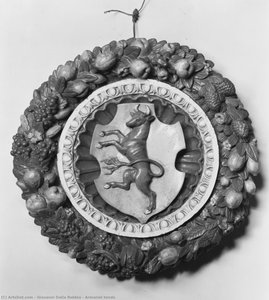
Shown: · With its frame:
 Preview
 Send
Send Share
Share
 Details
 Guide
Guide

 Download
 Similars
 X-Ray
X-Ray Diaporama
 Q&A
Q&A Stats
Stats

$ 269
Hand Made Oil Reproduction
Hand-painted oil on canvas in your size and frame, made to order by our artists. ( Switch to Print Switch to Digital Image)
Size
·Standard
custom
CM
INCH
Pick from our preset sizes that match the artwork's original proportions.
Loading sizes...

width
height
Type the width and the height you need, to fit your frame or your wall. This is hand-painted, so for a size with a different shape the artist can paint a bit more around the picture, or cut a bit — you choose. We send you a digital mockup to approve before the painting starts. The picture shown on this page does not show the real result — only the mockup does.
 Read more
Finish
·
White $1

Blurside $1

Extended $1

P118B $10

P118H $10

P118W $10

P438Z $10

P508JH $12

P508YH $12

P805H $10

P805Z $10

P919BZ $10

P919G $10

P919XJ $10

P959ZH $10

P968JZ $12

W106C $8

W218G $10

W218JH $8

W218Y $10

W307PJ $10

W316G $10

W316PJ $8

W316Y $10

W398PJ $8

W4111J $10

W500HY $15

W500JH $15

W692G $12

W849H $8

W940BG $15

W953PJ $8

H24-GOLD $30

H24-SILVER $30

H36-GOLD $45

H36-SILVER $45
Shipped in a protective tube, ready for your own framer.
Above 105 cm the frame is shipped as a kit for a professional framer — read the details.
Extras
optionalWhat do the extras include?
Examples of what can be changed: Replace face with customer photo; Add pet (e.g., replace cat with dog); Include hidden message in background; Change background landscape or elements.
After order, TopImpressionists.com team will email client for instructions and provide a mockup preview
After order, TopImpressionists.com team will email client for instructions and provide a mockup preview
Worldwide Delivery () in 3/4 weeks instead of standard 5 weeks. (30 October). No compromise on quality.
Protective Varnish
Nameplate
Engraved Bronze Plaque Details
This elegant plaque features the artist's name and the title of the artwork, finely engraved for a timeless presentation.
It is made from bronze with a refined, elegant finish. The text is precisely laser-engraved for a sharp and permanent result. Measuring 9x2 cm, the plaque is compact yet easy to read. It's built to be durable and scratch-resistant, offering a professional, museum-quality look. Mounting is simple thanks to the included adhesive backing.
Transparent Acrylic Plaque Details
The plaque includes essential engraved details such as the artist's name, the title of the artwork, the date it was created, the type of media used-like oil on canvas or watercolor-a brief description of the piece, and a QR code that links to the complete artwork information.
It is crafted from clear acrylic, offering a sleek, modern appearance. The text is UV-engraved in black to ensure strong visual contrast. With a size of 10x15 cm, it ensures optimal readability. It comes equipped with two metal hooks for secure wall mounting. The plaque is designed to be weather-resistant, making it suitable for various environments, and it includes interactive features that work seamlessly with smartphone scanning.
Black Acrylic Plaque Details
This elegant plaque includes engraved information such as the artist's name, the title of the artwork, the date it was created, the type of media used (like oil on canvas or watercolor), a short description of the artwork, and a QR code for quick access to more information.
The plaque itself is made from refined black acrylic with a premium finish. The text is laser-engraved in white for high contrast and readability. Its size is 10x15 cm, designed to be easy to read. It comes with two metal hooks for professional mounting. The design is sleek and fits any interior style. It is also weather-resistant and durable, with built-in digital integration for mobile compatibility.
Glass option is only available in size under 110 CM
 Glass option is only available in size under 110 CM
- Free Worldwide Express Shipping
- High-Quality Linen Canvas
- Full Shipping Insurance
- Customs Tax Refund Guarantee
- True Color Matching Guarantee
- 100-Day Return Policy (Defects Only)
- 100% Money-Back Guarantee
- Bulk Discount Offer


Artist Biography
Giovanni della Robbia (1469-1529) was a Florentine Renaissance ceramic artist, son of Andrea della Robbia. Renowned for vibrant polychrome glazes & terracotta sculpture depicting religious scenes, Last Judgment retables, and decorative fountains. Exp
About the painting
Quick facts and art quiz
About Giovanni Della Robbia

Giovanni Della Robbia
1469 - 1529, Italy
Artist Biography
The Luminous Legacy of Giovanni della Robbia
To stand before the works of Giovanni della Robbia is to encounter a breathtaking confluence of artistry and devotion. He was more than just a ceramicist; he was a master alchemist who transformed humble terracotta into objects imbued with divine light. Born in Florence in 1469, Giovanni emerged from a lineage steeped in artistic tradition, the son of Andrea della Robbia, whose own genius had already set the standard for Florentine decorative arts. Growing up within this vibrant crucible of creativity, he absorbed the techniques and the spirit of his forebears, particularly his uncle, Luca della Robbia.
His early career was one of apprenticeship, a gradual immersion into the demanding craft of the workshop. It was here that Giovanni honed his unparalleled skill in developing the polychrome glaze—a signature characteristic that would define his contribution to Renaissance art. This technique allowed him to achieve vibrant, almost enamel-like colors on durable terracotta, giving his religious narratives an unprecedented luminosity.
Mastery of Material and Form
Giovanni’s genius lay not just in the pigments he applied, but in how he commanded the very material itself. The combination of glazed earthenware and sculpted form allowed him to create pieces that were both structurally monumental and delicately lifelike. While his father and uncle established the foundation, Giovanni elevated the polychrome character of the glaze works to new heights. Indeed, so many exquisite pieces bearing the Robbia name today are in fact testaments to his own hand, a testament perhaps to his sheer technical brilliance.
His dedication was such that he often signed his work, adding a date—a subtle but significant act of authorship, possibly spurred by the growing imitation of the celebrated Robbia style. This signature marks him as an artist keenly aware of his own place in history, even amidst the echoes of masters before him.
Iconography and Grand Statements
The subject matter that preoccupied Giovanni was overwhelmingly sacred. His works served to illuminate Christian narratives for the faithful, transforming architectural spaces into visual sermons. Among his most breathtaking achievements is the large retable at the church of San Girolamo in Volterra, dated 1501. This depiction of the Last Judgment remains a profound study in human drama and divine power. One cannot help but be captivated by the fine modeling of the figures, particularly the dynamic portrayal of the Archangel Michael or the serene, nude youth rising from his tomb.
Equally remarkable is the washing fountain commissioned for the sacristy of Santa Maria Novella in Florence (1497). This piece transcends mere utility; it is a vision. The back wall, painted on maiolica tiles to resemble a view of the seashore, transports the viewer beyond the church walls. It is an illusionistic masterpiece, complemented by panels depicting fruit trees and crowned with a white relief of the Madonna flanked by adoring angels.
Historical Significance in Renaissance Art
Giovanni della Robbia’s contribution cannot be overstated when considering the trajectory of Italian decorative arts. He bridged the gap between monumental sculpture and portable, richly colored decoration. His ability to make religious narratives feel immediate, vibrant, and accessible through glazed terracotta made his work profoundly influential. He provided a visual language for piety that was both sophisticated in its technique and deeply emotional in its appeal.
His legacy endures not only in the surviving masterpieces housed in Florentine basilicas but also in the very understanding of how ceramic art could achieve the grandeur previously reserved for marble or fresco. He remains a luminous figure, forever linking the earthy beauty of fired clay with the transcendent glow of divine inspiration.
Quick facts about Giovanni Della Robbia
- Artistic Movement Or Style: Renaissance ceramics
- Artists Who Influenced This Artist: ['Andrea della Robbia']
- Date Of Birth: 1469
- Date Of Death: 1529
- Full Name: Giovanni della Robbia
- Nationality: Italian
- Notable Artworks:
- Last Judgment retable
- Washings fountain
- Place Of Birth: Florence, Italy
Explore artworks organized by themes, styles, and characteristics.




Giovanni Della Robbia
Virgin in Glory
() ·
With its frame: · Hand-painted in oil on linen
Total