Preview
 Send
Send Share
Share
 Details
 Guide
Guide

 Download
 Similars
 X-Ray
X-Ray Diaporama
 Q&A
Q&A Stats
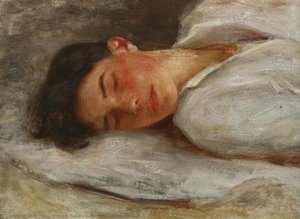
StatsMrs Florence Humphris


Henry Scott Tuke’s ‘Mrs Florence Humphris’ (1892) – a captivating oil portrait showcasing realism & impressionism. Explore this elegant, melancholic piece's rich textures & subtle beauty.
 Read More
Explore the Impressionist art of Henry Scott Tuke (1858-1929), renowned for his intimate paintings of young men & maritime scenes. Discover a key figure of the Newlyn School and his legacy in British art.
Giclée / Art Print
Museum-quality giclée or canvas print with fast production and flexible finish options. ( Buy Hand Made Painting Switch to Digital Image)




P118B $10

P118H $10

P118W $10

P438Z $10

P508JH $12

P508YH $12

P805H $10

P805Z $10

P919BZ $10

P919G $10

P919XJ $10

P959ZH $10

P968JZ $12

W106C $8

W218G $10

W218JH $8

W218Y $10

W307PJ $10

W316G $10

W316PJ $8

W316Y $10

W398PJ $8

W4111J $10

W500HY $15

W500JH $15

W692G $12

W849H $8

W940BG $15

W953PJ $8




Standard
custom
CM
INCH
Pick from our preset sizes that match the artwork's original proportions.
Loading sizes...

width
height
Type the width and the height you need, to fit your frame or your wall. A print can only be cut, never made bigger than the picture, so a size with a different shape loses a part of the image. We send you a digital mockup to approve before we print anything. The picture shown on this page does not show the real cut — only the mockup does.
Worldwide Delivery () in 2 weeks instead of standard 4/5 weeks. (1 November)

Free Worldwide Express Shipping

High-Quality Linen Canvas

Full Shipping Insurance

Customs Tax Refund Guarantee

True Color Matching Guarantee

100-Day Return Policy (Defects Only)

100% Money-Back Guarantee

Bulk Discount Offer
 Glass option is only available in size under 110 CM

Mrs Florence Humphris
Giclée / Art Print
Reproduction Size
-


Total Price
$ 70
A Portrait of Quiet Grace: Exploring ‘Mrs Florence Humphris’
Henry Scott Tuke's “Mrs Florence Humphris,” painted in 1892, is more than just a portrait; it’s a carefully constructed tableau of Victorian sensibility and subtle emotional depth. The artwork immediately draws the viewer into a scene of contemplative serenity, anchored by the dignified presence of Mrs. Humphris herself. Tuke, a key figure within the Newlyn School movement, masterfully employs impressionistic techniques to capture not just her likeness but also an atmosphere—a sense of quiet contemplation and understated beauty that speaks volumes about the era.
The composition is remarkably balanced, centering Mrs. Humphris within a dark, almost velvety background. This strategic use of darkness serves to heighten the luminosity of her figure, directing our attention entirely to her face – a study in delicate features and a hint of melancholy. The loose brushstrokes, characteristic of Tuke’s style, create a sense of movement and vibrancy, particularly evident in the folds of her dress and the suggestion of light playing across her skin. The palette is restrained, dominated by muted greens, browns, and creams, lending the painting an air of timelessness and sophistication.
An Artist's Family Legacy
Understanding Tuke’s artistic journey requires acknowledging his deeply rooted family history. Born into a prominent Quaker lineage – a family renowned for its commitment to social reform and humane treatment – Henry Scott Tuke inherited not only an appreciation for art but also a strong sense of ethical responsibility. His father, Daniel Hack Tuke, was a pioneering psychiatrist who established the Retreat at York, one of the first modern asylums dedicated to providing compassionate care for individuals with mental illness. This familial legacy undoubtedly influenced Tuke’s artistic sensibilities, imbuing his work with a quiet dignity and an empathetic gaze.
The portrait itself is believed to be a tribute to Mrs. Humphris, a woman of considerable social standing within her community. The pearl necklace she wears – a subtle yet significant detail – speaks to her wealth and status, while the gentle expression on her face suggests a quiet strength and inner peace. It’s a testament to Tuke's ability to capture not just physical appearance but also the essence of his subject’s character.
Impressionistic Techniques & Symbolism
Tuke’s masterful use of light is central to the painting’s impact. The directional lighting, originating from the left, sculpts Mrs. Humphris's face and upper body, creating a dramatic interplay of shadows and highlights. This technique not only adds depth and realism but also evokes a sense of mood—a subtle melancholy that permeates the scene. The loose brushwork, a hallmark of impressionism, contributes to this effect, suggesting movement and capturing the fleeting quality of light.
Beyond its technical brilliance, “Mrs Florence Humphris” is rich in symbolism. The muted color palette, reminiscent of a late afternoon sun, evokes feelings of nostalgia and tranquility. The dark background serves as a visual anchor, emphasizing Mrs. Humphris’s presence and drawing the viewer into her world. Even the simple act of sitting quietly, absorbed in thought, carries symbolic weight—a representation of Victorian ideals of domesticity and refined sensibility.
A Timeless Masterpiece
“Mrs Florence Humphris” remains a captivating work of art, offering a glimpse into the social and artistic landscape of late 19th-century England. Tuke’s ability to capture both physical likeness and emotional depth is truly remarkable, resulting in a portrait that transcends mere representation and becomes a poignant meditation on beauty, grace, and the quiet dignity of human experience. It's a piece that continues to resonate with viewers today, inviting us to contemplate its subtle complexities and appreciate the enduring power of art.
Questions & Answers
Who is the author of "Mrs Florence Humphris", and in which movement?
"Mrs Florence Humphris" was created by Henry Scott Tuke in the Impressionism style. Artist and movement identify the work's tradition.
Is "Mrs Florence Humphris" by Henry Scott Tuke a portrait, landscape or square composition?
"Mrs Florence Humphris" by Henry Scott Tuke has a portrait format. The format describes the proportions of the composition.
How much light do the colors of "Mrs Florence Humphris" appear to reflect?
The colors of "Mrs Florence Humphris" show a dark luminance.
Related Artworks


Artist Biography
**early life and education**
henry scott tuke, a prominent english visual artist, was born on june 12, 1858, in lawrence street, york, into a quaker family. his father, daniel hack tuke, was a well-known medical doctor specializing in psychiatry. tuke's early life was marked by a strong inclination towards art, encouraged by his family.**artistic career**
tuke's artistic journey began with enrollment in the slade school of art under alphonse legros and sir edward poynter in 1875. he later won a scholarship that allowed him to continue his training at the slade and in italy in 1880. his time in paris from 1881 to 1883, where he met jules bastien-lepage, influenced his decision to paint en plein air.- henry scott tuke's most notable work was in the impressionist style.
- he is best known for his paintings of nude boys and young men, a subject matter that was both personal and professionally significant.
- tuke's prolific career resulted in over 1,300 works, including oil paintings of young men, maritime scenes, and portraits of sailing ships.
**notable works and legacy**
some of tuke's most notable works include:- the boy’s dream, a poignant example of his impressionist style.
- august, blue, showcasing his skill in capturing the essence of youth and nature.
- sailing ships at newlyn, highlighting his maritime artistry.
**later life and death**
tuke suffered a heart attack in 1928 and passed away on march 13, 1929. despite knowing that his work was no longer fashionable towards the end of his life, tuke's generosity to his models, many of whom were young men, speaks volumes about his character.- view more works by henry scott tuke at https://TopImpressionists.com/@/henryscotttuke
- explore the impressionist movement and its notable artists at /en/art/list/
- discover more about tuke's life and art on wikipedia

Henry Scott Tuke
1858 - 1929 , United Kingdom
Quick Facts
- Full Name: Henry Scott Tuke
- Nationality: British
- Date Of Birth: 1858
- Date Of Death: 1929
- Place Of Birth: York, United Kingdom
- Notable Artworks:
- The Boy’s Dream
- August
- Sailing Ships at Newlyn
- Artistic Movement Or Style: Impressionism
- Artists Who Influenced This Artist:
- Alphonse Legros
- Sir Edward Poynter
- Artists Or Movements Influenced By This Artist: ['Newlyn School']
Related Articles

The Timeless Charm of Oil on Board: Reimagining Texture and Light through the Impressionist Lens
Discover the profound intimacy of oil on panel. Explore how Impressionist masters used rigid supports to capture light, texture, and impasto depth through exquisite, handmade oil reproductions for discerning collectors.

The Soul of Impressionism: Why Oil on Canvas Captures Eternal Light and Timeless Emotion
Discover the enchanting alchemy of Impressionism. Explore how the mastery of oil on canvas, through glazing and impasto, captures eternal light and emotion. Perfect for lovers of Monet and Van Gogh seeking the profound depth of hand-painted fine art.
Explore artworks organized by themes, styles, and characteristics.