Preview
 Send
Send Share
Share
 Details
 Guide
Guide

 Download
 Similars
 X-Ray
X-Ray Diaporama
 Q&A
Q&A Stats
StatsThe Seven Deadly Sins


Explore Hieronymus Bosch’s "Seven Deadly Sins," a mesmerizing masterpiece of Northern Renaissance art. Discover intricate symbolism & dark fantasy in this iconic painting.
 Read More
Discover Hieronymus Bosch (c. 1450-1516), Dutch Renaissance master of surrealism & symbolism. Explore his iconic paintings, religious themes, and nightmarish visions – a lasting influence on art history.
Giclée / Art Print
Museum-quality giclée or canvas print with fast production and flexible finish options. ( Buy Hand Made Painting Switch to Digital Image)




P118B $10

P118H $10

P118W $10

P438Z $10

P508JH $12

P508YH $12

P805H $10

P805Z $10

P919BZ $10

P919G $10

P919XJ $10

P959ZH $10

P968JZ $12

W106C $8

W218G $10

W218JH $8

W218Y $10

W307PJ $10

W316G $10

W316PJ $8

W316Y $10

W398PJ $8

W4111J $10

W500HY $15

W500JH $15

W692G $12

W849H $8

W940BG $15

W953PJ $8




Standard
custom
CM
INCH
Pick from our preset sizes that match the artwork's original proportions.
Loading sizes...

width
height
Type the width and the height you need, to fit your frame or your wall. A print can only be cut, never made bigger than the picture, so a size with a different shape loses a part of the image. We send you a digital mockup to approve before we print anything. The picture shown on this page does not show the real cut — only the mockup does.
Worldwide Delivery () in 2 weeks instead of standard 4/5 weeks. (2 November)

Free Worldwide Express Shipping

High-Quality Linen Canvas

Full Shipping Insurance

Customs Tax Refund Guarantee

True Color Matching Guarantee

100-Day Return Policy (Defects Only)

100% Money-Back Guarantee

Bulk Discount Offer
 Glass option is only available in size under 110 CM

The Seven Deadly Sins
Giclée / Art Print
Reproduction Size
-


Total Price
$ 70
A Window into Human Frailty: Decoding Bosch’s “The Seven Deadly Sins”
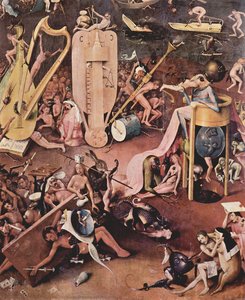
Hieronymus Bosch's "The Seven Deadly Sins" is far more than a painting; it’s a profound moral allegory rendered with breathtaking detail and unsettling imagination. Created around 1480, this circular panel – currently housed in the Museo Nacional del Prado – offers a captivating, if cautionary, glimpse into the depths of human vice during the Late Medieval period. It stands as a pivotal work within the Northern Renaissance, showcasing Bosch’s unique ability to blend religious fervor with fantastical imagery and sharp social commentary.Composition and Artistic Style
The artwork is structured as a circular “wheel,” reminiscent of the *rota fortunae* – the wheel of fortune – symbolizing the cyclical nature of sin and redemption. Within this framework, Bosch meticulously depicts scenes representing each of the seven deadly sins: Pride, Greed, Lust, Envy, Gluttony, Wrath, and Sloth. The style is distinctly Northern Renaissance, characterized by its meticulous realism in rendering textures and details alongside a burgeoning interest in symbolism and psychological depth. Unlike Italian Renaissance artists who often focused on idealized beauty, Bosch embraced the grotesque and bizarre to convey moral lessons. His figures are not classically proportioned; instead, they’re often distorted or hybrid creatures, reflecting the inner corruption he sought to expose.Symbolism Unveiled: A Moral Compass
Bosch's symbolism is incredibly rich and layered. Each sin isn’t simply *shown*; it’s actively unfolding in miniature narratives.- Lust: Depicted with a man prostrate before a woman, symbolizing the subjugation to base desires.
- Gluttony: Shown through figures indulging in excessive feasting, highlighting the dangers of overindulgence.
- Greed: Represented by individuals obsessively hoarding possessions, illustrating the emptiness of material wealth.
- Envy: Portrayed with a figure peering jealously at another’s good fortune, showcasing the corrosive nature of resentment.
- Pride: Illustrated through self-admiration and vanity, emphasizing the dangers of arrogance.
- Sloth: Depicted as apathy and inactivity, highlighting the spiritual stagnation that results from idleness.
- Wrath: Shown with violent confrontations, demonstrating the destructive power of uncontrolled anger.
Technique and Materials
Bosch masterfully employed oil paint on an oak panel, allowing for incredible detail and luminosity. His technique involved layering glazes to create depth and richness in color. He was also adept at creating textures – from the smooth skin of figures to the rough fabric of their clothing – adding to the painting’s overall realism. The use of vibrant colors, often juxtaposed with dark tones, heightens the dramatic impact of the scenes.Historical Context and Influence
“The Seven Deadly Sins” reflects the anxieties and religious fervor of late 15th-century Europe. The painting served as a visual sermon, intended to warn viewers about the consequences of sin and encourage them towards piety. Bosch’s work resonated deeply with his contemporaries and continues to captivate audiences today. His influence can be seen in the works of later artists like Pieter Bruegel the Elder, and even in modern surrealist painters who explored the darker recesses of the human psyche.Emotional Impact and Enduring Appeal
Bosch’s painting is not merely a didactic exercise; it's an emotionally charged experience. The unsettling imagery evokes feelings of unease, fear, and introspection. The work forces viewers to confront their own vulnerabilities and consider the consequences of their actions. It serves as a timeless reminder of the enduring struggle between good and evil within us all. For those seeking a statement piece that sparks conversation and contemplation, or for interior designers aiming to create spaces with depth and meaning, a reproduction of “The Seven Deadly Sins” offers an unparalleled opportunity to bring a masterpiece into your world.Questions & Answers
Which print setup is suggested for "The Seven Deadly Sins" by Hieronymus Bosch?
For "The Seven Deadly Sins", the recommended print setup is a large size and a landscape orientation.
What saturation and intensity does "The Seven Deadly Sins" by Hieronymus Bosch show?
The colors of "The Seven Deadly Sins" by Hieronymus Bosch show a subtle color saturation with a balanced intensity.
Toward which tone does "The Seven Deadly Sins" lean?
The dominant hue of "The Seven Deadly Sins" by Hieronymus Bosch is ochre to sepia. The hue is the underlying tone of the palette.
Artist Biography
A Netherlandish Enigma: The Life and Art of Hieronymus Bosch
Born around 1450 in the vibrant, bustling town of ’s-Hertogenbosch in the Netherlands—then part of Brabant—Hieronymus Bosch, originally Jheronimus van Aken, remains one of art history’s most compelling and mysterious figures. His world was steeped in late medieval religious fervor, folklore, and a growing sense of societal unease, all of which would profoundly shape his uniquely unsettling artistic vision. Coming from a family with a long tradition of painting—his grandfather, Jan van Aken, and father, Anthonius van Aken, were both artists—Bosch likely received his earliest training within the family workshop, absorbing the techniques and conventions of Netherlandish painting. However, even in his formative years, he began to diverge from established norms, hinting at the extraordinary imagination that would define his career. Biographical details are frustratingly scarce; records are fragmented, leaving much open to speculation and interpretation, adding to the aura of mystique surrounding both the man and his work. He married Aleyt Goyaerts van den Meerveen sometime before 1481, a union that provided him with some financial security through her family’s holdings, but little else is known about their personal life.Fantastical Visions and Symbolic Depths
Bosch's artistic style is instantly recognizable—a captivating blend of meticulous detail and wildly imaginative imagery. He primarily worked with oil on oak panels, demonstrating a masterful command of the medium, achieving luminous colors and intricate textures. While his early works show influences from traditional Netherlandish painting, particularly in their realism and attention to detail, he quickly moved beyond mere imitation, developing a profoundly original vision. His paintings are not simply representations of reality; they are allegorical landscapes populated by bizarre creatures, hybrid beings, and unsettling scenes that seem plucked from dreams—or nightmares. Religious themes form the core of much of his work, but these are rarely straightforward depictions of biblical stories. Instead, Bosch uses symbolism to explore complex moral and theological concepts, often focusing on the dangers of sin, the fragility of earthly pleasures, and the inevitability of divine judgment. His creatures—grotesque demons, fantastical animals, and strangely human figures—are not merely decorative elements; they are embodiments of vice, temptation, and spiritual corruption. The blending of the sacred and the profane, the beautiful and the grotesque, creates a uniquely unsettling effect that continues to captivate viewers centuries later.Masterpieces of Moral Allegory
Among Bosch’s most celebrated achievements is The Garden of Earthly Delights (c. 1490-1510), a triptych that remains one of the most enigmatic and debated works in art history. When opened, it presents a panoramic vision of paradise, earthly life, and hell—a complex allegorical representation of humanity’s fall from grace. The left panel depicts the Garden of Eden, teeming with fantastical creatures and lush vegetation; the central panel portrays a world consumed by sensual pleasure and unrestrained desire; and the right panel offers a terrifying glimpse into the torments of hell. The Triptych of the Last Judgement (c. 1480-1490) is another powerful example of his skill in portraying both heavenly bliss and infernal torment, while The Ascent of the Blessed (c. 1480-1490) demonstrates his ability to create ethereal and dreamlike scenes. Even smaller works like Epiphany (c. 1495) showcase his innovative use of oil on wood and complex symbolism, revealing a mind constantly grappling with profound questions about faith, morality, and the human condition.Legacy and Enduring Influence
Identifying Bosch’s direct influences is a challenging task, given the originality of his vision. Scholars suggest possible connections to medieval folklore, religious texts—particularly those emphasizing apocalyptic themes—and the prevailing anxieties of the time, including fears of heresy and social upheaval. However, it's clear that he synthesized these elements into something entirely new and uniquely his own. His impact on subsequent artists is undeniable. Pieter Bruegel the Elder directly followed in his footsteps, adopting similar themes and compositional techniques, while later movements, such as Surrealism, also drew inspiration from Bosch’s dreamlike imagery and exploration of the subconscious. Artists like Salvador Dalí and Max Ernst openly acknowledged their debt to his unsettling visions. Even today, Bosch's work continues to fascinate and provoke debate, solidifying his place as a master of Netherlandish painting and a visionary artist whose influence extends far beyond his own time. His paintings offer valuable insights into the religious, social, and psychological climate of the late 15th and early 16th centuries, challenging conventional norms and paving the way for new forms of artistic expression. He died in 1516, leaving behind a body of work that continues to haunt and inspire, ensuring his enduring legacy as one of art history’s most singular and unforgettable voices.
Hieronymus Bosch
1450 - 1516 , Netherlands
Related Articles

Divine Light & Golden Splendor: A Journey Through the Sacred Grandeur of High Medieval Art
Embark on a soulful journey through High Medieval art. Explore the divine light of Gothic cathedrals, Byzantine splendor, and sacred masterpieces that shaped Western history with our expert-led cultural reflections.

Whispers of the Soul: Discovering the Sacred Beauty and Intricate Devotion of Early Medieval Art
Embark on a soulful journey through Early Medieval art. Explore the sacred beauty of illuminated manuscripts, Byzantine gold leaf, and the profound spiritual symbolism that shaped history. Discover the timeless devotion captured in every intricate detail.
Explore artworks organized by themes, styles, and characteristics.