

 Preview
 Send
Send Share
Share
 Details
 Guide
Guide

 Download
 Similars
 X-Ray
X-Ray Diaporama
 Q&A
Q&A Stats
StatsJean-Pierre Bonnefous


Jacques Loyau: Capturing Moments of Sporting Glory
Jacques Loyau, born in France, remains a relatively enigmatic figure within the broader landscape of 20th-century photography, yet his contribution to documenting pivotal sporting events—particularly the French Championships—holds considerable artistic merit and historical importance. While biographical details remain scarce, Loyau’s dedication to
 Read More
Discover Jacques Loyau's captivating sports photography, including the 1955 French Championships! Iconic images of Tony Trabert & more – a master of capturing sporting moments.
The artwork displayed on this page is protected by copyright law, which means we cannot legally create or sell an identical reproduction. This protection is enforced under international agreements such as the Berne Convention and by national laws, including those outlined by the U.S. Copyright Law - Title 17.
This method fully complies with copyright regulations because it does not involve copying or duplicating the protected artwork. Instead, it is a creative reinterpretation - a new painting that is influenced by the original but not identical to it.
Giclée / Art Print
Museum-quality giclée or canvas print with fast production and flexible finish options. ( Buy Hand Made Painting Switch to Digital Image)




P118B $10

P118H $10

P118W $10

P438Z $10

P508JH $12

P508YH $12

P805H $10

P805Z $10

P919BZ $10

P919G $10

P919XJ $10

P959ZH $10

P968JZ $12

W106C $8

W218G $10

W218JH $8

W218Y $10

W307PJ $10

W316G $10

W316PJ $8

W316Y $10

W398PJ $8

W4111J $10

W500HY $15

W500JH $15

W692G $12

W849H $8

W940BG $15

W953PJ $8




Standard
custom
CM
INCH
Pick from our preset sizes that match the artwork's original proportions.
Loading sizes...

width
height
Type the width and the height you need, to fit your frame or your wall. A print can only be cut, never made bigger than the picture, so a size with a different shape loses a part of the image. We send you a digital mockup to approve before we print anything. The picture shown on this page does not show the real cut — only the mockup does.
Worldwide Delivery () in 2 weeks instead of standard 4/5 weeks. (5 November)

Free Worldwide Express Shipping

High-Quality Linen Canvas

Full Shipping Insurance

Customs Tax Refund Guarantee

True Color Matching Guarantee

100-Day Return Policy (Defects Only)

100% Money-Back Guarantee

Bulk Discount Offer
 Glass option is only available in size under 110 CM

Jean-Pierre Bonnefous
Giclée / Art Print
Reproduction Size
-


Total Price
$ 70
A Moment Frozen in Motion: Jean-Pierre Bonnefous by Jacques Loyau
Jacques Loyau’s photograph, “Jean-Pierre Bonnefous,” transcends mere documentation; it's a masterful distillation of athletic grace and dramatic tension—a cornerstone of French sports photography during the mid-1950s. Captured between 1966 and 1969, this image commemorates Tony Trabert’s triumphant victory at the Men’s Singles Tournament, cementing Loyau’s reputation as a visual storyteller capable of conveying profound emotion through carefully considered composition.
Technical Brilliance: Capturing the Essence of Performance
Loyau's technique exemplifies the ethos of Impressionistic Photography. Utilizing studio lighting—likely employing reflectors and gels—he skillfully manipulates light to sculpt Trabert’s physique, creating striking contrasts between illumination and shadow that heighten the dynamism of the pose. The photograph’s grainy texture speaks to the limitations of early photographic processes but contributes significantly to its atmospheric quality, mirroring the palpable excitement surrounding the sporting event.
Compositional Harmony: Diagonal Lines and Geometric Forms
The image's composition is strikingly deliberate. A low-angle perspective emphasizes Trabert’s stature and conveys a sense of power, while dominant diagonal lines—formed by Trabert’s limbs in mid-leap—inject movement into the static frame. These lines intersect with the rectangular background, establishing a geometric framework that reinforces the image's stability despite its energetic subject matter.
Symbolism Beyond Sport: Grace Under Pressure
“Jean-Pierre Bonnefous” is more than just a record of athletic achievement; it embodies themes of resilience and unwavering focus. Trabert’s gaze—direct, intense, and unwavering—communicates determination amidst the pressure of competition. The photograph's monochrome palette amplifies these emotional nuances, stripping away distracting color to concentrate on the core essence of human performance.
Historical Significance: Documenting a Cultural Shift
Loyau’s work reflects the broader cultural fascination with documenting sporting events during this period—a burgeoning trend toward capturing experiences and preserving moments in time. It stands as an exemplar of visual storytelling, demonstrating how photography could convey not only factual information but also palpable emotion and psychological insight. Loyau's legacy resides in his ability to transform a simple athletic contest into a timeless image of human aspiration.
Questions & Answers
How does "Jean-Pierre Bonnefous" fit into Jacques Loyau's themes and style?
Within Jacques Loyau's output, "Jean-Pierre Bonnefous" sits in the Impressionistic Photography style, alongside the themes of sporting glory, monet & degas, movement observation, cultural documentation, iconic athlete image.
Where can I buy a hand-painted reproduction of "Jean-Pierre Bonnefous" by Jacques Loyau?
"Jean-Pierre Bonnefous" is available as a hand-painted oil reproduction on linen canvas. The order can be placed on its Hand-Painted Reproduction page, with a choice of sizes.
What are the reproduction rights of "Jean-Pierre Bonnefous" at the Opéra national de Paris?
The copyright status of "Jean-Pierre Bonnefous" by Jacques Loyau is clear: the work is still protected by copyright. Its presence at the Opéra national de Paris does not change that status.
Related Artworks


Artist Biography
Jacques Loyau: Capturing Moments of Sporting Glory
Jacques Loyau, born in France, remains a relatively enigmatic figure within the broader landscape of 20th-century photography, yet his contribution to documenting pivotal sporting events—particularly the French Championships—holds considerable artistic merit and historical importance. While biographical details remain scarce, Loyau’s dedication to capturing decisive moments has cemented his place as an influential practitioner of visual storytelling. Loyau gained recognition primarily through his involvement in photographing the 1955 French Championships – Men's Singles Tournament. This tournament witnessed Tony Trabert triumphantly securing the title, and Loyau skillfully immortalized this victory with a photograph titled “Jean-Pierre Bonnefous.” The image showcases Trabert’s focused gaze and athletic posture, encapsulating the tension and excitement of the competition—a testament to Loyau's ability to convey emotion through composition and lighting. This particular photograph is considered one of the defining images from that historic event. His artistic style leans towards a classic Impressionistic approach, prioritizing tonal subtleties and capturing atmospheric conditions to heighten the impact of his subjects. Loyau’s work reflects an interest in portraying not merely what is seen but also how it feels—a characteristic shared with many prominent photographers of his era who sought to elevate photography beyond mere documentation into a form of artistic expression. Loyau's influence extends beyond individual photographs; he embodies the spirit of documenting significant cultural happenings, mirroring the broader trend toward visual recording as a means of preserving history and capturing the essence of human experience. Although Loyau’s oeuvre remains modest in size compared to some contemporaries, his contribution to sports photography—specifically the portrayal of iconic sporting achievements—continues to resonate with collectors and enthusiasts alike.- Notable Works: Jean-Pierre Bonnefous (1955 French Championships)
- Style: Impressionistic Photography
- Focus: Capturing Sporting Moments & Atmospheric Conditions
Exploring Loyau’s Artistic Vision
Loyau's artistic sensibilities were undoubtedly shaped by the prevailing aesthetic currents of his time—the Impressionist movement—which championed capturing fleeting impressions and prioritizing subjective experience over strict realism. Artists like Claude Monet and Edgar Degas served as crucial inspirations, encouraging Loyau to prioritize tonal gradations and subtle nuances in color to convey mood and emotion effectively. This stylistic inclination is evident throughout his photographic compositions, where he skillfully manipulates light and shadow to create visually arresting images that resonate with viewers on an emotional level. Furthermore, Loyau’s meticulous attention to detail—particularly in portraying the physicality of athletes—demonstrates a commitment to scientific observation alongside artistic creativity. Like many photographers of his generation who embraced advancements in photographic technology, Loyau recognized the potential for capturing precise representations of subjects and environments. This dual focus on both aesthetic beauty and factual accuracy distinguishes Loyau’s work from more purely decorative forms of art.- Influences: Impressionist Movement (Monet, Degas)
- Technique: Careful Manipulation of Light & Shadow
- Approach: Combining Aesthetic Beauty with Scientific Observation
Legacy and Significance
Jacques Loyau’s contribution to the history of photography is primarily recognized for his role in documenting significant sporting events—specifically, the 1955 French Championships. His photograph of Tony Trabert stands as an enduring symbol of athletic excellence and captures a pivotal moment in tennis history. Beyond its visual impact, Loyau's work exemplifies the broader cultural shift toward recording experiences and preserving memories through images—a trend that continues to shape artistic practice today. Although Loyau’s output remains relatively limited compared to many other artists of his era, his photograph "Jean-Pierre Bonnefous" retains considerable prestige within the annals of sports photography. It serves as a reminder that even seemingly simple images can convey profound emotion and capture the essence of human endeavor—a testament to Loyau's artistic skill and enduring legacy. His dedication to portraying sporting achievements with sensitivity and precision underscores his importance as a pioneer in visual storytelling.- Historical Context: Documentation of Sporting Events
- Enduring Image: “Jean-Pierre Bonnefous” – Symbol of Athletic Excellence
- Importance: Exemplifies Visual Storytelling & Cultural Shift Toward Recording Experiences

Jacques Loyau
France
Quick Facts
- Full Name: Jacques Loyau
- Nationality: French
- Place Of Birth: None, France
- Notable Artworks: ['Jean-Pierre Bonnefous']
- Artistic Movement Or Style: Sports Photography
Related Articles

Capturing the Present: A Guide to the Soul of Contemporary Photography and its Artistic Legacy
Explore the profound intersection of photography and fine art. Discover how the lens captures the soul of history, from documentary masterpieces to its enduring influence on the Impressionist spirit. A curated guide for the discerning art collector.
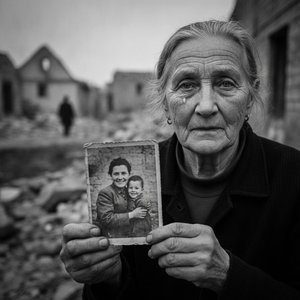
Truth in Every Frame: Unveiling the Profound Emotional Resonance of Documentary Photography Art
Immerse yourself in the profound emotional resonance of documentary photography. Explore the artistry of visual storytelling, from historical witnesses to portraits of resilience, and discover how every captured moment preserves truth and human dignity through an art-historical lens.
Explore artworks organized by themes, styles, and characteristics.
