

 Preview
 Send
Send Share
Share
 Details
 Guide
Guide

 Download
 Similars
 X-Ray
X-Ray Diaporama
 Q&A
Q&A Stats
StatsCos Cob

- 53.0 x 66.0 cm


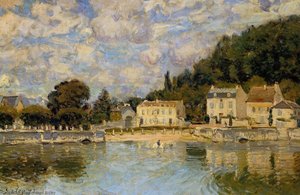
Experience Impressionism's serene harbor life with John Henry Twachtman's Cos Cob; capture the soft light of this 1899 masterpiece for your collection.
 Read More
John Henry Twachtman (1853-1902): Explore the atmospheric landscapes of this pivotal American Impressionist & Tonalist painter. Discover works like 'Arques-la-Bataille' and his influence on early 20th-century art.
Giclée / Art Print
Museum-quality giclée or canvas print with fast production and flexible finish options. ( Buy Hand Made Painting Switch to Digital Image)




P118B $10

P118H $10

P118W $10

P438Z $10

P508JH $12

P508YH $12

P805H $10

P805Z $10

P919BZ $10

P919G $10

P919XJ $10

P959ZH $10

P968JZ $12

W106C $8

W218G $10

W218JH $8

W218Y $10

W307PJ $10

W316G $10

W316PJ $8

W316Y $10

W398PJ $8

W4111J $10

W500HY $15

W500JH $15

W692G $12

W849H $8

W940BG $15

W953PJ $8




Standard
custom
CM
INCH
Pick from our preset sizes that match the artwork's original proportions.
Loading sizes...

width
height
Type the width and the height you need, to fit your frame or your wall. A print can only be cut, never made bigger than the picture, so a size with a different shape loses a part of the image. We send you a digital mockup to approve before we print anything. The picture shown on this page does not show the real cut — only the mockup does.
Worldwide Delivery () in 2 weeks instead of standard 4/5 weeks. (31 October)

Free Worldwide Express Shipping

High-Quality Linen Canvas

Full Shipping Insurance

Customs Tax Refund Guarantee

True Color Matching Guarantee

100-Day Return Policy (Defects Only)

100% Money-Back Guarantee

Bulk Discount Offer
 Glass option is only available in size under 110 CM

Cos Cob
Giclée / Art Print
Reproduction Size
-


Total Price
$ 70
A Serene Glimpse into American Impressionism
To gaze upon John Henry Twachtman's "Cos Cob" is to be instantly transported to a moment suspended in time—a breath of cool, aqueous air over a bustling yet profoundly peaceful harbor. This painting, executed in 1899, is more than just a depiction of waterfront life; it is a masterful meditation on light, atmosphere, and the quiet rhythms of coastal existence. Twachtman captures the quintessential American scene, transforming the mundane elements of docks, brick buildings, and moored vessels into something luminous and deeply evocative. The very air seems palpable through his brushwork, inviting the viewer to step right off the canvas and join the gentle activity unfolding on the water.
Mastery in Light and Brushstroke
Twachtman’s technique here is a shining example of American Impressionism at its peak. He eschews the sharp outlines of earlier academic styles, instead favoring soft, visible brushstrokes that allow the light itself to become the primary subject. Observe how the sunlight catches the white sail of the central boat; it does not merely reflect light, it seems to emanate it. The interplay between the deep tones of the brick structures and the shimmering blues and greens of the water is handled with an almost scientific delicacy, yet the overall effect remains purely emotional. This sophisticated handling of color and texture ensures that even in a seemingly simple harbor scene, there lies profound technical brilliance.
The Narrative Heart of Cos Cob
The composition guides the eye through several distinct focal points. The small white sailboat acts as an anchor for the viewer's gaze, drawing us into the middle ground where human life intersects with natural beauty. Flanking this central activity are the sturdy, time-worn brick buildings—structures that speak of history and permanence against the ever-changing tide. Furthermore, the subtle inclusion of a solitary figure near the water’s edge adds a poignant narrative layer. This person seems absorbed in the view or engaged in the quiet business of the harbor, suggesting themes of contemplation, daily routine, and man's enduring relationship with his environment.
A Timeless Appeal for Modern Spaces
For the collector or designer seeking art that whispers rather than shouts, "Cos Cob" offers unparalleled depth. Its palette—a harmonious blend of earthy reds from the brickwork, cool blues from the water, and bright whites from the sails—is inherently soothing. Reproducing this work allows one to bring a piece of late 19th-century American artistic genius into a contemporary setting. Whether placed in a sunlit drawing room or an area overlooking water, its serene energy acts as a visual balm, grounding any space with a sense of cultivated tranquility and historical resonance.
Questions & Answers
Do the colors of "Cos Cob" appear strong or soft?
The color intensity of "Cos Cob" is vivid. Intensity describes how strong the colors appear.
What technique and style characterize "Cos Cob" by John Henry Twachtman?
"Cos Cob" by John Henry Twachtman combines the oil on canvas technique with the Impressionism style. Technique and movement describe the making and the style of the work.
What is the recommended use of a print of "Cos Cob"?
The suggested use for "Cos Cob" by John Henry Twachtman is focal. It can serve other purposes as well.
Related Artworks




Artist Biography
A Pioneer of American Impressionism: The Life and Art of John Henry Twachtman
John Henry Twachtman, born in Cincinnati, Ohio, on August 4th, 1853, stands as a pivotal figure in the development of American Impressionism. His journey from academic training to a uniquely personal style reflects not only his artistic evolution but also the broader shifts occurring within the American art world during the late 19th and early 20th centuries. Twachtman’s story is one of constant exploration, a restless pursuit of capturing atmosphere and emotion through color and light, ultimately leaving an indelible mark on the landscape tradition. His initial artistic grounding came under the tutelage of Frank Duveneck in his hometown, a formative experience that instilled within him a dedication to direct observation and a rejection of overly idealized representations. This early training laid the foundation for his later embrace of more progressive techniques.European Influences and the Embrace of Tonalism
Driven by an ambition to refine his skills and broaden his artistic horizons, Twachtman embarked on a period of study in Europe that proved transformative. Between 1875 and 1877, he attended the Academy of Fine Arts in Munich, where he absorbed the principles of a loosely brushed, shadowy technique prevalent at the time. A subsequent visit to Venice with William Merritt Chase further ignited his passion for capturing the nuances of light and atmosphere. These European experiences were crucial in shaping his artistic vision, yet Twachtman never simply replicated what he encountered abroad; instead, he synthesized these influences into something distinctly his own. The period between 1883 and 1885 found him at the Académie Julian in Paris, a turning point where his style began to coalesce towards a softer, more atmospheric approach – a move that would define his signature aesthetic. It was during this Parisian interlude that he fully embraced Tonalism, characterized by muted colors, subtle gradations of tone, and an emphasis on creating mood and atmosphere. Works like *Arques-la-Bataille*, now residing in the Metropolitan Museum of Art, exemplify this period, showcasing his mastery of tonal harmonies and evocative landscapes.The Cos Cob Colony and a Personal Impressionist Style
Upon returning to America, Twachtman settled in Connecticut, purchasing a farm in Greenwich that would become both home and artistic sanctuary. His presence at the burgeoning Cos Cob art colony proved instrumental, fostering a vibrant creative community where ideas were exchanged freely and experimentation was encouraged. He wasn’t merely a resident artist; he became a catalyst, inspiring his friends and students with his innovative techniques and philosophical approach to painting. This period saw Twachtman move beyond strict Tonalism towards a highly personal form of Impressionism. While retaining the emphasis on atmosphere and light, his later works demonstrate a bolder use of color and a more dynamic brushstroke. He frequently depicted snow-covered landscapes of his farm and garden, transforming familiar scenes into poetic meditations on nature’s beauty. His series of vibrant scenes in Gloucester, Massachusetts, foreshadowed a more modernist sensibility in American art, anticipating the abstract explorations that would follow.Legacy and Lasting Impact
John Henry Twachtman's untimely death in 1902 at the age of forty-nine cut short a promising career, but his influence continued to resonate through subsequent generations of American artists. He left behind a body of work that is celebrated for its poetic sensibility, technical mastery, and innovative approach to landscape painting. His paintings are not merely representations of places; they are evocations of mood, atmosphere, and the emotional connection between humanity and nature. Twachtman’s contribution extends beyond his individual canvases; he played a vital role in establishing American Impressionism as a distinct artistic movement. He was a founding member of “The Ten,” a group of artists who sought to break away from the constraints of traditional art institutions and forge their own path. Landscape 3, with its serene depiction of nature, exemplifies his tonalist approach, while works like *Reflections* demonstrate his ability to capture fleeting moments of light and atmosphere. His legacy is further cemented through pieces such as *Brook among the Trees*, a captivating pastel that showcases the beauty and serenity of the natural world. Twachtman’s innovative spirit continues to inspire artists today, solidifying his place as a true pioneer of American Impressionism and a master of tonal landscape painting.Notable Works
- Landscape 3 (c. 1894-1902): A quintessential example of Twachtman’s Tonalist period, showcasing his mastery of atmospheric perspective and subtle color harmonies.
- Arques-la-Bataille (1885): Painted during his time in Paris, this work exemplifies the influence of French Impressionism on his style.
- Reflections (c. 1902): A serene depiction of a dock scene, capturing the play of light and shadow on water.
- Brook among the Trees (1891): A captivating pastel that showcases Twachtman’s ability to convey tranquility and natural beauty.
- The Holland Dyke (c. 1886-1890): Demonstrates his skill in capturing atmospheric effects and subtle tonal variations.

John Henry Twachtman
1853 - 1902 , United States of America
Quick Facts
- Full Name: John Henry Twachtman
- Nationality: American
- Date Of Birth: 1853
- Date Of Death: 1902
- Place Of Birth: Cincinnati, United States of America
- Notable Artworks:
- Landscape 3
- Arques-la-Bataille
- Springtime
- The Holland Dyke
- Artistic Movement Or Style: Impressionism, Tonalism
- Artists Who Influenced This Artist:
- Frank Duveneck
- William Merritt Chase
- Artists Or Movements Influenced By This Artist:
- American Impressionism
- Modernist style
Related Articles

Capturing the Light: A Journey Through the Soul of American Impressionism and the Hudson River School
Explore the luminous beauty of American Impressionism and the Hudson River School. Discover a curated journey through light, landscape, and history, celebrating the enduring legacy of masters through exquisite, hand-painted oil reproductions for the discerning art lover.
Explore artworks organized by themes, styles, and characteristics.


