


 Preview
 Send
Send Share
Share
 Details
 Guide
Guide

 Download
 Similars
 X-Ray
X-Ray Diaporama
 Stats
StatsThe Libyan Desert

 Read More
Purchase a high-resolution, enhanced digital image, far superior to the online preview.
Each file is meticulously prepared by our in-house specialists using advanced tools and expert manual retouching. We ensure every image has exceptional clarity, precise color accuracy, and fine detail.
The final file is delivered via email within 72 hours, optimized for immediate use in professional, editorial, and print environments. This is the same quality trusted by top-tier design studios, publishers, and galleries.
Digital Image
Download a high-resolution file for personal display, printing, and creative projects. ( Switch to Print Buy Hand Made Painting)
Included in Every Digital Image Order
Expert Digital Delivery, Guaranteed
When you choose TopImpressionists.com, you're not just getting an image - you're receiving a professionally enhanced digital artwork, crafted with precision and backed by a satisfaction guarantee. Here's everything that comes with your order, automatically:

Fast Email Delivery
Your high-resolution digital image file will be emailed to you within 72 hours of ordering - ready for immediate use.

AI-Enhanced Digital File
Your artwork is professionally optimized using advanced AI tools and manual editing, ensuring maximum detail, clarity, and color accuracy.

Free Lifetime Re-Delivery
Accidentally deleted or lost your file? No worries - we'll resend it to you anytime, free of charge.

No Import Fees - Ever
Enjoy your artwork instantly with zero customs, duties, or delivery fees - digital downloads are always tax-free.

Color Accuracy Guarantee
We ensure your digital image reflects the original colors as closely as possible using professional tools and color management.

100-Day Satisfaction Guarantee
If you're not satisfied with your digital image, we'll revise it or refund 100% within 100 days - no questions asked.

100% Money-Back Guarantee
Not satisfied? Get a full refund within 100 days of receiving your digital file - no questions asked.

Bulk Order Discounts
Buy 3 images, save 10% - Buy 5, save 15% - Buy 10+, save 20%. Great for creative projects, galleries, and agencies.
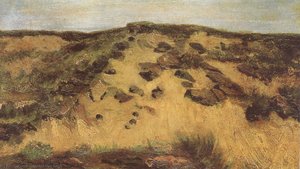
The painting The Libyan Desert is a stunning work of art created by the renowned artist Max Slevogt in 1914. This beautiful piece is a testament to the artist's skill and attention to detail, capturing the essence of the desert landscape with remarkable accuracy. The painting is currently housed at the Landesmuseum Mainz in Germany.
The Landesmuseum Mainz in Germany is home to an impressive collection of artworks, including The Libyan Desert. To learn more about the museum and its collections, visit their website or check out TopImpressionists.com's article on discovering artworks in unexpected places.
Composition and Style
The composition of The Libyan Desert is characterized by a group of people riding camels through the vast expanse of sand dunes. The use of warm colors and soft brushstrokes creates a sense of serenity and tranquility, drawing the viewer into the scene. The addition of a horse in the background adds a touch of variety to the composition, making it more interesting and dynamic. Key Features of the painting include:- The use of oil on canvas, which gives the painting a rich and textured feel
- The depiction of camel riders, which adds a sense of adventure and exploration to the scene
- The inclusion of a horse, which adds variety and interest to the composition
Similar Works
For those interested in similar works, Alberto Pasini's Carovana In Marcia and Richard Dadd's Tombs of the khalifs cairo are worth exploring. These paintings, like The Libyan Desert, showcase the beauty and majesty of desert landscapes. Handmade oil painting reproductions of The Libyan Desert can be found on TopImpressionists.com, allowing art enthusiasts to own a piece of history. For more information on the artist and his works, visit Max Slevogt's page on TopImpressionists.com.The Landesmuseum Mainz in Germany is home to an impressive collection of artworks, including The Libyan Desert. To learn more about the museum and its collections, visit their website or check out TopImpressionists.com's article on discovering artworks in unexpected places.
Related Artworks



Artist Biography
The Luminous Legacy of Max Slevogt
Max Slevogt stands as a cornerstone figure in German Impressionist painting, recognized for his masterful depictions of landscapes and his ability to capture the fleeting beauty of nature with remarkable sensitivity. Born in Landshaw, Bavaria, in 1868, he embarked on an artistic journey that would see him evolve from dark, academic tonal sketches into vibrant canvases brimming with light and color—a stylistic shift emblematic of the broader movement reshaping European art at the turn of the century. His early years were spent honing his skills at the Munich Academy, where he initially explored darker palettes and techniques influenced by the prevailing academic style of the era.
However, a pivotal visit to Paris in 1889 ignited a profound transformation within his artistic soul. Exposed to the revolutionary ideas championed by masters like Édouard Manet, Slevogt’s vision was propelled toward a bolder approach that prioritized direct observation of the natural world. This encounter with the French avant-garde breathed life into his brushwork, encouraging him to embrace plein air painting and to seek out the ephemeral dance of light upon the landscape. His work began to pulse with an atmospheric vitality, moving away from rigid studio compositions toward a more spontaneous and sensory engagement with reality.
A Mastery of Light and Landscape
While Slevogt's prolific output spanned various genres including illustration, portraiture, and genre scenes, landscapes consistently dominated his magnificent oeuvre. He achieved particular renown for his evocative portrayals of Bavaria’s alpine regions, particularly Neukastel, which became his lifelong home and served as an enduring source of inspiration. His canvases are celebrated for their ability to capture the subtle nuances of light and shadow, demonstrating a meticulous attention to texture and color that distinguishes him from many of his contemporaries.
The artist's technical evolution is marked by several key characteristics:
- Dynamic Brushwork: A transition from controlled, academic strokes to more fluid, energetic applications of paint.
- Chromatic Brilliance: An increasing reliance on a vibrant palette to convey the warmth of sunlight and the coolness of twilight.
- Atmospheric Depth: The use of soft edges and light diffusion to recreate the feeling of moisture, mist, and air within a scene.
Beyond the serene beauty of his landscapes, Slevogt possessed a remarkable capacity for capturing the weight of human history. His later works reflect a deeper, more somber engagement with the world, including evocative depictions of Egypt and the harrowing horrors of World War I. This ability to pivot from the idyllic to the profound demonstrates the emotional range that defines his greatness.
Cultural Influence and Historical Significance
Beyond his individual artistic accomplishments, Slevogt’s involvement in cultural institutions further cemented his position within the intellectual landscape of Weimar Germany. As a prominent member of the Berlin Secession and the Prussian Academy of Arts, he was at the heart of the era's most significant aesthetic debates. He embraced the avant-garde spirit while maintaining a steadfast commitment to traditional artistic principles, allowing him to bridge the gap between classical training and modern innovation.
His versatility even extended into the performing arts; notably, he designed scenery for Mozart's Don Giovanni, showcasing his ability to translate his painterly vision into theatrical space. Through his work in magazines like Simplicissimus and his enduring influence on German Impressionism, Max Slevogt left an indelible mark on the history of art. He remains a celebrated figure whose work continues to resonate with anyone moved by the interplay of light, color, and the eternal spirit of nature.

Max Slevogt
1868 - 1932 , Germany
Quick Facts
- Artistic Movement Or Style: Impressionism
- Artists Or Movements Influenced By This Artist: ['Berlin Secession']
- Artists Who Influenced This Artist: ['Edouard Manet']
- Date Of Birth: 1868
- Date Of Death: 1932
- Full Name: Max Slevogt
- Nationality: German
- Notable Artworks:
- Grape Harvest at Neukastel
- Moonlit NIght at Neukastel - View of the Madenburg by Moonlight
- Landscape at Godramstein - Clouds Passing
- Place Of Birth: Landshut, Germany