Preview
 Send
Send Share
Share
 Details
 Guide
Guide

 Download
 Similars
 X-Ray
X-Ray Diaporama
 Stats
StatsSlag Heap


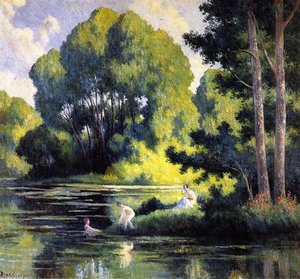
Experience 'Slag Heap' by Maximilien Luce – a vibrant Post-Impressionist painting of a French village at night. Explore its rich details and artistic style on canvas or print.
 Read More
Discover Maximilien Luce (1858-1941), a French Neo-Impressionist master known for vibrant Parisian scenes & landscapes. Explore his Pointillist style and contributions to Impressionism at museums like Musée d'Orsay.
Giclée / Art Print
Museum-quality giclée or canvas print with fast production and flexible finish options. ( Buy Hand Made Painting Switch to Digital Image)




P118B $10

P118H $10

P118W $10

P438Z $10

P508JH $12

P508YH $12

P805H $10

P805Z $10

P919BZ $10

P919G $10

P919XJ $10

P959ZH $10

P968JZ $12

W106C $8

W218G $10

W218JH $8

W218Y $10

W307PJ $10

W316G $10

W316PJ $8

W316Y $10

W398PJ $8

W4111J $10

W500HY $15

W500JH $15

W692G $12

W849H $8

W940BG $15

W953PJ $8




Standard
custom
CM
INCH
Pick from our preset sizes that match the artwork's original proportions.
Loading sizes...

width
height
Type the width and the height you need, to fit your frame or your wall. A print can only be cut, never made bigger than the picture, so a size with a different shape loses a part of the image. We send you a digital mockup to approve before we print anything. The picture shown on this page does not show the real cut — only the mockup does.
Worldwide Delivery () in 2 weeks instead of standard 4/5 weeks. (21 October)

Free Worldwide Express Shipping

High-Quality Linen Canvas

Full Shipping Insurance

Customs Tax Refund Guarantee

True Color Matching Guarantee

100-Day Return Policy (Defects Only)

100% Money-Back Guarantee

Bulk Discount Offer
 Glass option is only available in size under 110 CM

Slag Heap
Giclée / Art Print
Reproduction Size
-


Total Price
$ 70
A Nocturne in Blue and Green: Exploring Luce's "Slag Heap"
To gaze upon Maximilien Luce’s Slag Heap is to be enveloped by the profound, hushed beauty of a French night. This painting, executed in 1896, transcends a mere depiction of a village; it captures a moment suspended between the day's activity and the deep quietude of midnight. The scene unfolds on a gentle hillside, where the architecture of a small community nestles beneath a luminous, watchful moon. Luce masterfully uses the interplay of light and shadow to give life to every cobblestone and every shadowed eaves. It is an invitation to pause, to breathe in the cool, damp air that seems to emanate from the canvas itself.
The Brushwork of Post-Impressionism
Luce’s technique here is a vibrant testament to his commitment to capturing feeling as much as form. While rooted in the observable world—the clustered houses, the distant church steeple, the lush green landscape—the painting vibrates with the energy characteristic of Post-Impressionism. One notices the bold, deliberate brushstrokes; they do not merely describe the surface but seem to articulate the very texture of the night air and the weight of the silence. The artist employs a rich palette dominated by various shades of blue and deep green, colors that work in concert to create an atmosphere both serene and deeply evocative. This handling of color suggests an emotional resonance beneath the picturesque facade.
Life Amidst the Stillness: Symbolism and Movement
What elevates Slag Heap beyond a simple landscape is the subtle infusion of life into its nocturnal repose. In the foreground, two horses stand as silent sentinels, their presence injecting an element of grounded movement against the otherwise tranquil backdrop. They suggest journeys undertaken or perhaps merely resting after the day's toil. The village itself, with its visible structures and towering steeple, speaks to enduring human settlement—a pocket of civilization illuminated by celestial grace. Symbolically, the moon shining so brightly above the clustered homes can be interpreted as a beacon of constancy, guiding the inhabitants through the mysteries of the night.
Bringing the Night Home: Decorating with Art
For those seeking to infuse their living space or study with the romanticism and depth of late 19th-century Parisian life, this piece offers unparalleled ambiance. The cool tones of the blues and greens in Slag Heap pair exquisitely with natural wood finishes, velvet furnishings, or even modern minimalist palettes that crave a touch of historical narrative. Owning a reproduction allows one to bring the quiet drama of Luce’s vision into your personal sanctuary. It is an artwork that rewards close inspection, revealing new depths of color and texture every time the light shifts across it.
Questions & Answers
Which color stands out most in "Slag Heap"?
cobalt violet (#88a4bb) is the leading color of "Slag Heap" by Maximilien Luce.
Does the copyright of "Slag Heap" by Maximilien Luce allow reproductions?
"Slag Heap" by Maximilien Luce, held at the Musée d'Ixelles, is in the public domain - its copyright has expired. This status determines whether reproductions of the image may be made.
What is "Slag Heap" made with?
Maximilien Luce used the oil on canvas technique for "Slag Heap". The technique defines the material nature of the original work.
Related Artworks


Artist Biography
A Parisian Soul: The Life and Art of Maximilien Luce
Maximilien Luce, born in Paris in 1858, was a painter deeply entwined with the social and artistic currents of his time. His early life, spent amidst the working-class neighborhoods of Montparnasse, instilled within him a sensitivity to the realities of urban existence—a theme that would resonate throughout his prolific career. Initially apprenticed to a wood engraver in 1872, Luce honed a meticulous attention to detail and an appreciation for line and form, skills that would later inform his explorations with color and light. This foundational training wasn’t merely technical; it connected him to a tradition of graphic arts deeply engaged with social commentary, setting the stage for his own politically charged artistic journey. He continued his education through evening classes, absorbing the principles of drawing and laying the groundwork for his eventual transition into painting. The Paris Commune of 1871, witnessed during his youth, left an indelible mark on Luce’s consciousness, fostering a lifelong commitment to anarchist ideals and social justice—beliefs that would consistently manifest in his artistic choices.From Impressionism to Neo-Impressionism and Beyond
Luce's artistic evolution was characterized by a restless experimentation and a willingness to embrace new approaches. He began as an Impressionist, captivated by the fleeting effects of light and atmosphere, but soon gravitated towards the more scientific rigor of Neo-Impressionism. The influence of Georges Seurat and Paul Signac proved pivotal; he adopted their pointillist technique—the meticulous application of tiny dots of pure color—in works like *On the Bank of the Seine at Poissy* (1895). This period saw him meticulously dissecting light and color, striving to achieve a harmonious visual experience through optical mixing. However, Luce wasn’t simply a follower; he infused Neo-Impressionism with his own distinct sensibility, often focusing on scenes of industrial labor and urban life—subjects rarely explored by his contemporaries. He didn't shy away from depicting the gritty realities of modern existence, contrasting sharply with the more idyllic landscapes favored by some of his peers. Later in his career, he moved away from strict pointillism, embracing a freer, more expressive style that retained the vibrancy of color but allowed for greater emotional intensity. This constant evolution demonstrates Luce’s commitment to artistic exploration and his refusal to be confined by any single aesthetic dogma.A Witness to Modernity: Themes and Techniques
Luce's oeuvre is a compelling chronicle of late 19th and early 20th-century France. He was fascinated by the transformative power of industrialization, depicting factories, construction sites, and bustling cityscapes with an unflinching eye. His paintings aren’t merely representations of these scenes; they are imbued with a sense of dynamism and energy, capturing the rhythm of modern life. The Seine River, winding its way through Paris and its surrounding countryside, became a recurring motif in his work—a symbol of both natural beauty and human activity. He masterfully captured the interplay of light on water, using pointillist techniques to create shimmering surfaces and atmospheric effects. Beyond landscapes and urban scenes, Luce also explored social themes, often depicting workers and laborers with dignity and respect. His commitment to anarchist principles is evident in his sympathetic portrayal of those marginalized by society. *Landscape at Marchiennes* (1896), for example, offers a powerful depiction of the industrial landscape of northern France, highlighting both its beauty and its harsh realities. He was also known for his depictions of Parisian life, including scenes of cafes, circuses, and public gatherings.Legacy and Recognition
Maximilien Luce’s contributions to the art world extend beyond his individual paintings. As a dedicated member of the Société des Artistes Indépendants—serving as vice president in 1909 and president in 1935—he championed artistic freedom and provided a platform for emerging artists. His commitment to progressive ideals made him a respected figure within the avant-garde community. Though he experienced periods of relative obscurity, his work has been increasingly recognized in recent decades for its unique blend of aesthetic innovation and social consciousness. Today, Luce’s paintings are held in prestigious museum collections worldwide, including the Musée d'Orsay in Paris, serving as testaments to his enduring artistic vision. His ability to capture the spirit of a rapidly changing era, combined with his technical mastery and unwavering commitment to his beliefs, solidifies his place as a significant figure in the history of modern art. He remains an artist whose work continues to resonate with contemporary audiences, offering insights into the complexities of modernity and the enduring power of artistic expression.Further Exploration
- Museum Collections: Explore Luce’s works at the Musée d'Orsay and other leading institutions.
- Online Resources: Discover more about his life and art through resources like Wikipedia and dedicated artist databases.
- Key Themes: Consider his recurring themes of industrialization, urban life, and social justice when viewing his paintings.
- Technical Innovation: Pay attention to his use of pointillism and his later experimentation with more expressive brushwork.

Maximilien Luce
1858 - 1941 , France
Quick Facts
- Full Name: Maximilien Luce
- Nationality: French
- Date Of Birth: 1858
- Date Of Death: 1941
- Place Of Birth: Paris, France
- Notable Artworks:
- Seine at Poissy
- Tuileries in Paris
- Seine at Andelys
- Le Pont-Neuf, Paris
- Artistic Movement Or Style: Neo-Impressionism, Pointillism
- Artists Who Influenced This Artist:
- Camille Pissarro
- Georges Seurat
- Paul Signac
Related Articles
Beyond the Light: Capturing Emotion Through the Expressive Soul of Post-Impressionism
Explore the profound emotional depth of Post-Impressionism. Discover how masters like Van Gogh and Cézanne moved beyond light to capture raw feeling through color and texture. A journey into art history for the true connoisseur.

Beyond the Light: Discovering the Soul and Emotional Depth of Post-Impressionism
Embark on a cultural journey through Post-Impressionism. Discover the profound emotional depth of masters like Van Gogh and Cézanne, exploring how they moved beyond light to capture the very soul of human experience through vibrant color and symbolic form.
Explore artworks organized by themes, styles, and characteristics.