Atelier — Complimentary worldwide shipping — Delivery 2–6 weeks
Painting from Photo Wishlist Cart
PreviewPreview AR previewAR preview Switch to Print Switch to PrintSwitch to Image Switch to Image SendSend
DetailsDetails Add to favorites Add to favorites DownloadDownload SimilarsSimilars X-RayX-Ray DiaporamaDiaporama

Flower pot

Inspired by Robert Henri’s Regionalism movement, this exquisite porcelain vase captures the serene beauty of blooming irises under delicate pastel hues. Crafted in Budapest by Pál Horti's Fischer factory, its intricate floral design invites contemplation and adds a touch of timeless elegance to any space.

Discover pál horti: Hungarian artist & industrial designer pioneering Art Nouveau. Explore innovative furniture, ceramics & designs – a true modern applied arts pioneer!

Hand Made Oil Reproduction

Hand-painted oil on canvas in your size and frame, made to order by our artists. (Switch to Print Switch to PrintSwitch to Image Switch to Image)

P118B $10
P118H $10
P118W $10
P438Z $10
P508JH $12
P508YH $12
P805H $10
P805Z $10
P919BZ $10
P919G $10
P919XJ $10
P959ZH $10
P968JZ $12
W106C $8
W218G $10
W218JH $8
W218Y $10
W307PJ $10
W316G $10
W316PJ $8
W316Y $10
W398PJ $8
W4111J $10
W500HY $15
W500JH $15
W692G $12
W849H $8
W940BG $15
W953PJ $8

Standard
custom
CM
INCH

Pick from our preset sizes that match the artwork's original proportions.

width
height

You may enter your own dimensions to fit a specific frame or space. If your selected size does not match the original image's proportions, we will either crop the artwork or extend the painting with additional hand-painted elements. A digital mockup will be sent for your approval before production begins.
Please note that the on-screen preview does not reflect the actual cropping or extension. Only the mockup will accurately show the final composition.
While custom sizes are available, we recommend selecting a dimension from the predefined list to preserve the original proportions.

Examples of what can be changed: Replace face with customer photo; Add pet (e.g., replace cat with dog); Include hidden message in background; Change background landscape or elements.
After order, TopImpressionists.com team will email client for instructions and provide a mockup preview

Worldwide Delivery () in 3/4 weeks instead of standard 5 weeks. (11 August). No compromise on quality.

why_choose_icon
Free Worldwide Express Shipping
why_choose_icon
High-Quality Linen Canvas
why_choose_icon
Full Shipping Insurance
why_choose_icon
Customs Tax Refund Guarantee
why_choose_icon
True Color Matching Guarantee
why_choose_icon
60-Day Return Policy (Defects Only)
why_choose_icon
100% Money-Back Guarantee
why_choose_icon
Bulk Discount Offer

Total Price

$ 269

reproduction

Flower pot

Reproduction Medium

Reproduction Size

-

Total Price

$ 269

Quick Facts

  • Medium: Ceramic
  • Movement: Regionalism
  • Influences: Robert Henri
  • Title: Flower pot
  • Subject or theme: Floral decoration
  • Year: 1905
  • Artistic style: Realistic

Art Quiz

There is only one correct answer for each question.

Question 1:
What artistic movement is Pál Horti’s ‘Flower Pot’ considered a representative piece of?
Question 2:
The vase's decoration utilizes what technique to achieve its pastel colors?
Question 3:
What is the primary subject matter depicted in ‘Flower Pot’?
Question 4:
The image shows a close-up view of the vase, highlighting its intricate details. What material is the vase primarily constructed from?
Question 5:
‘Flower Pot’ was copied by Fischer factory from which artist?

Artwork Description

A Delicate Echo of Hungarian Impressionism

  • Subject Matter: This exquisite ceramic vase captures the serene beauty of floral arrangements—specifically, irises and buds—a motif frequently explored in Hungarian art during the early 20th century. The artist’s meticulous attention to detail elevates a simple botanical subject into an emblem of springtime renewal and artistic contemplation.
  • Style: Pál Horti's work exemplifies Impressionistic principles, prioritizing capturing fleeting moments of light and color rather than striving for photographic realism. However, unlike many Impressionists focused on landscapes, Horti’s gaze turns inward, concentrating on the subtle nuances of decorative art and craftsmanship.
  • Technique: The vase's creation involved a masterful blend of ceramic sculpting and painting techniques. Underglaze coloring—a method where pigments are applied before firing—was employed to achieve the matte finish of the leaf greens, ensuring their enduring vibrancy. Furthermore, the delicate floral decorations were painstakingly rendered using pastel hues, demonstrating Horti’s commitment to capturing atmospheric effects.
  • Historical Context: Created in 1905, this vase reflects the burgeoning artistic spirit of Budapest at the time—a city undergoing rapid modernization while retaining its rich cultural heritage. Horti's work aligns with the broader movement toward regionalism championed by Robert Henri, who sought to portray American life authentically and powerfully.
  • Symbolism: Iris flowers hold significant symbolic weight in Hungarian folklore and Christian tradition, representing purity, faith, and resurrection. Their inclusion within the vase underscores themes of hope and regeneration—a sentiment perfectly embodied in Horti’s artistic vision. The coiled stems and buds symbolize growth and blossoming, mirroring the cyclical nature of life itself.

The reproduction offered by TopImpressionists.com allows collectors and interior designers alike to experience the captivating essence of Horti's masterpiece. Its high-quality print captures the subtle tonal variations and textural subtleties that characterize the original ceramic piece, bringing a touch of Hungarian Impressionism into any space.


Artist Biography

Robert Henri: A Pioneer of American Regionalism

Robert Henri, born Robert Henry Cozad in Cincinnati, Ohio on February 10, 1865, stands as a pivotal figure in the development of American art at the turn of the 20th century. His life and work represent a significant shift away from European artistic traditions and toward a celebration of American subjects, landscapes, and people – a movement that would later be known as Regionalism. Henri’s journey was marked by unconventional choices, including a deliberate rejection of formal art training in favor of self-education and immersion in the lives he sought to depict. This approach profoundly shaped his artistic vision and cemented his legacy as a champion of realism and social observation.

Early Life and Influences

Henri’s early years in Nebraska instilled within him a deep appreciation for the American West, its rugged beauty, and the lives of its inhabitants. Moving to Dawson County at the age of eight, he developed a keen eye for detail and an understanding of rural life that would later become central to his artistic practice. While he initially pursued a career as a commercial artist in Chicago, working primarily in advertising and illustration, Henri’s artistic ambitions extended far beyond these commissions. He was deeply influenced by the works of Gustave Courbet, particularly Courbet's commitment to depicting everyday subjects with unflinching honesty, and by the writings of Walt Whitman, whose celebration of American democracy and individualism resonated strongly with Henri’s own values. The burgeoning Impressionist movement also exerted a subtle influence, though Henri ultimately prioritized direct observation and social commentary over fleeting effects of light and color.

The Ashcan School and Social Realism

Henri's most significant contribution to American art lies in his founding and leadership of the Ashcan School around 1897. This group, comprised primarily of artists like George Bellows, John Sloan, and Everett Shinn, rejected the academic traditions of the time and instead focused on depicting the gritty realities of urban life – the crowded tenements, the bustling streets, and the marginalized populations of New York City. Henri’s paintings, such as *Table Talk* (1907) and *The Divan Theater* (1908), captured this atmosphere with remarkable immediacy and empathy. Unlike many artists who romanticized poverty or presented it through a lens of pity, Henri sought to portray the lives of working-class individuals with dignity and respect, highlighting their resilience and humanity. His work was deeply rooted in social realism, reflecting a growing awareness of social injustice and inequality during this period.

Technique and Style

Henri’s artistic style is characterized by its directness, spontaneity, and vibrant color palette. He eschewed meticulous detail and idealized forms, opting instead for loose brushstrokes and a focus on capturing the essence of his subjects. His compositions are often dynamic and informal, reflecting the energy and movement of everyday life. Henri's use of color was particularly notable; he employed bold, saturated hues to create a sense of immediacy and emotional intensity. He frequently worked *alla prima*, applying paint directly to the canvas without preliminary sketches, resulting in paintings that possess a remarkable freshness and vitality. His technique can be described as a blend of Impressionistic techniques with a distinctly American sensibility – capturing not just appearances but also the spirit and character of his subjects.

Legacy and Historical Significance

Robert Henri’s impact on American art is undeniable. He challenged the established artistic conventions of his time, paving the way for future generations of artists to explore new subject matter and techniques. His commitment to social realism influenced a wide range of artists, including those associated with Social Realism in the mid-20th century. Henri’s emphasis on depicting American life – both its beauty and its struggles – helped to establish art as a vehicle for social commentary and political engagement. Though often overlooked during his lifetime, Henri is now recognized as one of the most important figures in the development of modern American painting, a true pioneer who captured the spirit of a nation undergoing rapid transformation. His work continues to resonate with viewers today, reminding us of the importance of seeing the world around us with open eyes and compassionate hearts.

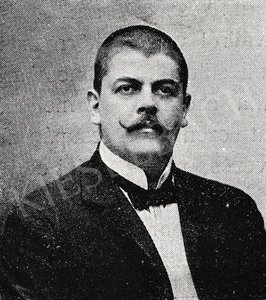
pál horti

pál horti

1865 - 1907 , Hungary

Quick Facts

  • Artistic Movement Or Style: Impressionism
  • Artists Or Movements Influenced By This Artist:
    • Ashcan School
    • American Impressionism
  • Artists Who Influenced This Artist:
    • William Merritt Chase
    • Jean-Léon Gérôme
  • Date Of Birth: 1865
  • Date Of Death: 1907
  • Full Name: Robert Henri
  • Nationality: American
  • Notable Artworks:
    • The Table
    • Spanish Artist
    • Portrait of a Woman
  • Place Of Birth: Cincinnati, Ohio
Explore artworks organized by themes, styles, and characteristics.
© TopImpressionists.com — All Rights Reserved  ·  100% Hand-Painted · Satisfaction Guaranteed · Free Worldwide Shipping
VISA MASTERCARD