


 Preview
 Send
Send Share
Share
 Details
 Guide
Guide

 Download
 Similars
 X-Ray
X-Ray Diaporama
 Stats
StatsRegatta


Discover Paul Cézanne’s ‘Regatta,’ a stunning Impressionist harbor scene! Explore loose brushstrokes, diffused light & maritime tranquility. Oil on canvas – a timeless coastal masterpiece.
Paul César Helleu (1859-1927) captured Belle Époque elegance! Discover his stunning portraits of society women, masterful drypoint etchings & the iconic Grand Central Terminal mural. Explore a refined artistic legacy.
 Read More
Giclée / Art Print
Museum-quality giclée or canvas print with fast production and flexible finish options. ( Buy Hand Made Painting Switch to Digital Image)




































Standard
custom
CM
INCH
Pick from our preset sizes that match the artwork's original proportions.
Loading sizes...

width
height
Type the width and the height you need, to fit your frame or your wall. A print can only be cut, never made bigger than the picture, so a size with a different shape loses a part of the image. We send you a digital mockup to approve before we print anything. The picture shown on this page does not show the real cut — only the mockup does.
Worldwide Delivery () in 2 weeks instead of standard 4/5 weeks. (25 October)

Free Worldwide Express Shipping

High-Quality Linen Canvas

Full Shipping Insurance

Customs Tax Refund Guarantee

True Color Matching Guarantee

100-Day Return Policy (Defects Only)

100% Money-Back Guarantee

Bulk Discount Offer
 Glass option is only available in size under 110 CM

Regatta
Giclée / Art Print
Reproduction Size
-


Total Price
$ 70
Related Artworks


Artist Biography
Paul César Helleu: A Portrait of the Belle Époque
- Born: Vannes, France (1859)
- Died: 1927
Early Life and Artistic Training
Paul César Helleu was born in Vannes, Brittany, France, in 1859. His father, a customs inspector, passed away when Helleu was still a teenager. Despite his mother's initial reservations, he moved to Paris at a young age to pursue his artistic ambitions. He studied at Lycée Chaptal and, at the remarkably young age of sixteen, gained admission to the prestigious École des Beaux-Arts. There, he received formal training under Jean-Léon Gérôme.
Helleu's early exposure to the Impressionist movement during the Second Impressionist Exhibition in 1876 proved pivotal. He was deeply influenced by artists like John Singer Sargent, James McNeill Whistler, and Claude Monet, captivated by their innovative techniques and focus on outdoor scenes—a stark contrast to traditional studio practices.
Development as an Artist: Influences and Techniques
To support himself early in his career, Helleu worked for Théodore Deck’s ceramic workshop, hand-painting decorative plates. This experience honed his technical skills. A significant turning point came with his meeting and mentorship under Giovanni Boldini, a portrait painter known for his bravura style. Boldini's influence significantly shaped Helleu's artistic direction.
A close friendship developed between Helleu and John Singer Sargent, which lasted throughout their lives. Sargent’s encouragement and support were crucial to Helleu’s early career. Helleu's mastery of drypoint etching was a defining characteristic of his work. Introduced to the technique by James Jacques Tissot, he quickly became a virtuoso, employing it with the same dynamism and sophistication as his pastels.
Major Works and Recognition
Helleu is best known for his portraits of elegant women from Parisian society during the Belle Époque. Notable subjects included the Duchess of Marlborough, the Marchesa Casati, Belle da Costa Greene, Louise Chéruit, and Helena Rubenstein. His ability to capture their beauty and grace with a refined elegance earned him widespread acclaim.
- Portraits: Helleu’s portraits are celebrated for their delicate lines, subtle color palettes, and the way they convey both physical likeness and personality.
- Drypoint Etchings: His drypoint etchings were particularly popular, allowing for multiple prints to be distributed among friends and family. He produced over 2,000 of these throughout his career.
- Grand Central Terminal Mural: A significant achievement was the commission to create a mural depicting constellations for the ceiling of Grand Central Terminal in New York City. This ambitious project showcased his artistic vision on a grand scale.
Legacy and Historical Significance
Paul César Helleu’s work embodies the spirit of the Belle Époque—a period characterized by optimism, elegance, and artistic innovation. His portraits offer a valuable glimpse into the lives and fashions of Parisian high society during this era.
- Influence on Art: Helleu's innovative use of drypoint etching influenced subsequent generations of printmakers.
- Representation of the Belle Époque: He is considered one of the foremost artists in capturing the essence and aesthetic ideals of the Belle Époque.
- Family Legacy: Notably, he was the father of Jean Helleu and grandfather of Jacques Helleu, both influential artistic directors for Parfums Chanel, demonstrating a lasting family connection to the world of art and design.
Helleu’s work is represented in major museums worldwide, including the Musée d'Orsay and the Louvre in Paris, as well as the Tate in London and the Metropolitan Museum of Art in New York.

Paul César Helleu
1859 - 1927 , France
Quick Facts
- Full Name: Paul César Helleu
- Nationality: French
- Date Of Birth: 1859
- Date Of Death: 1927
- Place Of Birth: Vannes, France
- Notable Artworks:
- Still Life with Hydrangias
- Ceiling mural, Grand Central Terminal
- Artistic Movement Or Style: Belle Époque, Impressionism
- Artists Who Influenced This Artist:
- Jean-Léon Gérôme
- John Singer Sargent
- James McNeill Whistler
- Claude Monet
- Giovanni Boldini
- James Jacques Tissot
- Artists Or Movements Influenced By This Artist: ['Parfums Chanel (artistic directors)']
Related Articles
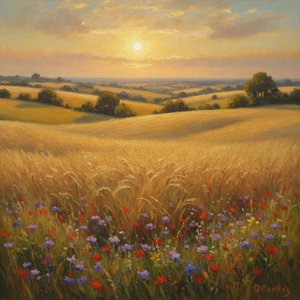
Golden Fields & Sun-Drenched Meadows: Capturing the Soul of Impressionist Landscapes
Immerse yourself in the luminous world of Impressionist landscapes. Discover how masters like Monet and Gauguin captured ephemeral light through plein air painting, and learn to bring the soul of sun-drenched meadows into your home with exquisite, hand-painted oil reproductions.

Whispers of Rural Serenity: A Journey Through the Enchanting Village Landscapes of Impressionism
Immerse yourself in the tranquil beauty of Impressionist village landscapes. Explore our exquisite collection of hand-painted oil reproductions, capturing the light and soul of masters like Monet and Pissarro. Bring a piece of art history into your home with TopImpressionists.com.

Beyond the Light: Capturing Raw Emotion and Subjective Vision in Post-Impressionist Landscapes
Explore the profound emotional depth of Post-Impressionist landscapes. Discover how masters like Van Gogh moved beyond light to capture raw human feeling through vibrant color and expressive texture in this expert art history retrospective.
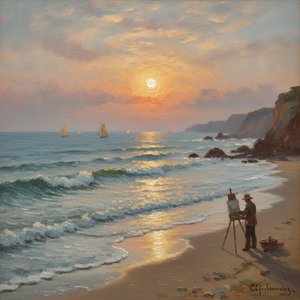
Whispers of the Waves: Discovering the Luminous Beauty and Timeless Light of Impressionist Coastal Art
Experience the breathtaking luminosity of Impressionist coastal art. From Monet’s shores to Sorolla’s sun-drenched waves, discover our exquisite hand-painted oil reproductions and bespoke commissions. Bring the timeless beauty of maritime masters into your home with TopImpressionists.com.

Capturing the Soul: The Most Emotionally Moving Impressionist and Post-Impressionist Masterpieces
Discover the profound emotional depth of Impressionist and Post-Impressionist masterpieces. Explore how legends like Monet, Van Gogh, and Gauguin captured light and soul through evocative landscapes and vibrant brushwork for a timeless connection to art history.
Explore artworks organized by themes, styles, and characteristics.


