Atelier — Complimentary worldwide shipping — Delivery 2–6 weeks
Painting from Photo Wishlist Cart
Switch to Print Switch to PrintSwitch to Image Switch to Image SendSend
DetailsDetails Add to favorites Add to favorites DownloadDownload SimilarsSimilars DiaporamaDiaporama

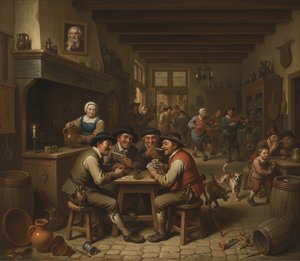
The History of Hannibal: The Spoils of Cannae

A grand Flemish Renaissance tapestry by Francois Geubels depicting the dramatic triumph of Hannibal at Cannae with rich earthy tones and intricate detail, perfect for collectors seeking a piece of ancient history.

Explore the intricate Flemish tapestries of François Geubels (Frans Geubels), a master weaver from Antwerp & Brussels during the Renaissance. Discover his legacy and iconic works!

Hand Made Oil Reproduction

Hand-painted oil on canvas in your size and frame, made to order by our artists. (Switch to Print Switch to PrintSwitch to Image Switch to Image)

Standard
custom
CM
INCH

Pick from our preset sizes that match the artwork's original proportions.

width
height

You may enter your own dimensions to fit a specific frame or space. If your selected size does not match the original image's proportions, we will either crop the artwork or extend the painting with additional hand-painted elements. A digital mockup will be sent for your approval before production begins.
Please note that the on-screen preview does not reflect the actual cropping or extension. Only the mockup will accurately show the final composition.
While custom sizes are available, we recommend selecting a dimension from the predefined list to preserve the original proportions.

Examples of what can be changed: Replace face with customer photo; Add pet (e.g., replace cat with dog); Include hidden message in background; Change background landscape or elements.
After order, TopImpressionists.com team will email client for instructions and provide a mockup preview

Worldwide Delivery () in 3/4 weeks instead of standard 5 weeks. (11 August). No compromise on quality.

why_choose_icon
Free Worldwide Express Shipping
why_choose_icon
High-Quality Linen Canvas
why_choose_icon
Full Shipping Insurance
why_choose_icon
Customs Tax Refund Guarantee
why_choose_icon
True Color Matching Guarantee
why_choose_icon
60-Day Return Policy (Defects Only)
why_choose_icon
100% Money-Back Guarantee
why_choose_icon
Bulk Discount Offer

Total Price

$ 269

reproduction

The History of Hannibal: The Spoils of Cannae

Reproduction Medium

Reproduction Size

-

Total Price

$ 269

Quick Facts

  • Artistic style: Renaissance tapestry weaving
  • Movement: Flemish Renaissance
  • Artist: Francois Geubels
  • Dimensions: 353 x 426 cm
  • Medium: Tapestry
  • Subject or theme: Hannibal's victory at the Battle of Cannae

Artwork Description

A Grand Tapestry of Conquest and Glory

In the vast annals of the Flemish Renaissance, few mediums capture the epic scale of human ambition quite like the intricate tapestry. The History of Hannibal: The Spoils of Cannae stands as a breathtaking testament to this era, a monumental work that breathes life into one of antiquity's most legendary military triumphs. This grand textile does not merely depict a moment in time; it weaves a narrative of power, wealth, and the visceral reality of war. As the eye wanders across its expansive 353 x 426 cm surface, one is immediately transported to the heat of the Second Punic War, where the Carthaginian general Hannibal Barca orchestrated a victory so decisive it would haunt the Roman Republic for generations.

The composition is a masterclass in narrative movement. At its heart, the scene captures the heavy, triumphant atmosphere following the carnage of Cannae. The central figure of Hannibal stands as a pillar of command, receiving the spoils of war—a glittering hoard of gold that serves as a tangible symbol of his strategic brilliance. Surrounding him, the tapestry unfolds with a rhythmic complexity; soldiers are caught in various states of repose and action, some kneeling in exhaustion, others standing in watchful vigilance. The presence of a horse near the center adds a dynamic pulse to the scene, suggesting the restless energy that follows even the most decisive battle. Through the masterful use of earthy tones, the weaver creates a warm, historical patina that evokes the dust and grit of the ancient battlefield.

The Mastery of Flemish Weaving

Created by the skilled hands of François Geubels, a prominent figure in the flourishing tapestry workshops of Brussels and Antwerp, this work exemplifies the pinnacle of 16th-century textile artistry. Geubels, a master weaver of the Flemish Renaissance, possessed the rare ability to translate the dramatic tension of classical history into the medium of thread and dye. The technique required for such a large-scale piece is nothing short of extraordinary, demanding an intimate understanding of color gradation and fine detail to ensure that every soldier's expression and every glint of gold feels profoundly real.

For the discerning collector or interior designer, this piece offers more than mere decoration; it provides a profound sense of historical weight and architectural grandeur. The intricate craftsmanship of the Flemish tradition ensures that each reproduction retains the soul of the original, offering a rich, tactile experience that commands attention in any sophisticated setting. Whether placed in a grand library, a formal dining hall, or a curated gallery space, this tapestry serves as a window into a lost world of heroism and splendor, making it an incomparable centerpiece for those who seek to surround themselves with art that tells a story of enduring human legacy.


Artist Biography

a life woven with artistry

francois geubels, also known as frans geubels, was a flemish tapestry weaver born in antwerpen, belgium in 1520. he was active in brussels between 1546 and 1579. geubels was the husband of catherine van den eynde, another prominent tapestry weaver in brussels. after his death in 1578, their son jacques geubels ii continued the family workshop.

artistic contributions and notable works

while specific works by francois geubels are not extensively documented, his influence on flemish tapestry weaving is undeniable. his involvement in brussels during a period of artistic flourishing contributed to the city's reputation for exquisite textiles.
  • notable artistic movement: geubels was part of the flemish renaissance, known for its intricate and detailed works.
  • contribution to the family workshop: his legacy continued through his son, ensuring the family's artistic traditions endured.

museums and collections featuring similar artists

for those interested in exploring more of flemish art, particularly tapestry weaving, the following museums are recommended:

legacy and influence

francois geubels' impact on the world of flemish tapestry weaving is evident in the continuation of his family's workshop by his son. though specific works are not widely available, his influence on the period's artistic landscape is undeniable.
  • family legacy: continued by jacques geubels ii.
  • artistic movement: contributed to the flemish renaissance.
more about francois geubels and his contributions to flemish art on TopImpressionists.com.
francois geubels

francois geubels

1520 - 1578 , Belgium

Quick Facts

  • Artistic Movement Or Style: High Renaissance, Mannerism
  • Artists Or Movements Influenced By This Artist:
    • Leonardo da Vinci
    • Michelangelo
    • Neoplatonism
  • Artists Who Influenced This Artist:
    • Giovanni Santi
    • Pietro Perugino
  • Date Of Birth: March 28, 1483
  • Date Of Death: April 6, 1520
  • Full Name: Raphael Sanzio da Urbino
  • Nationality: Italian
  • Notable Artworks:
    • The School of Athens
    • Sistine Madonna
    • The Transfiguration
  • Place Of Birth: Urbino, Italy
Explore artworks organized by themes, styles, and characteristics.
© TopImpressionists.com — All Rights Reserved  ·  100% Hand-Painted · Satisfaction Guaranteed · Free Worldwide Shipping
VISA MASTERCARD