Preview
 Send
Send Share
Share
 Details
 Guide
Guide

 Download
 Similars
 X-Ray
X-Ray Diaporama
 Stats
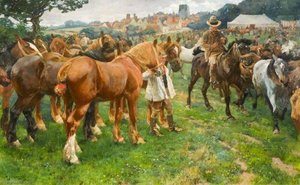
StatsSpring Evening, Cornwall
 Oil On Canvas
- WallArt
- Impressionist
 Modern
 51.0 x 61.0 cm
 The Munnings Art Museum
Explore Sir Alfred Munnings' stunning depiction of Cornish landscapes and equestrian life! Admire 'Spring Evening' – a masterpiece capturing the beauty of rural England and the spirit of Impressionism.
 Read More
Sir Alfred James Munnings (1878-1959): Discover England's foremost horse painter! Explore vibrant Impressionistic scenes of hunting, racing & rural life. A passionate defender of traditional art.
The artwork displayed on this page is protected by copyright law, which means we cannot legally create or sell an identical reproduction. This protection is enforced under international agreements such as the Berne Convention and by national laws, including those outlined by the U.S. Copyright Law - Title 17.
As a respectful and legal alternative, we offer custom, hand-painted artworks inspired by the original. Our skilled and professional artists carefully study the original's style, mood, and artistic essence to create a new, unique piece that evokes the same feeling - while remaining an original creation in its own right.
This method fully complies with copyright regulations because it does not involve copying or duplicating the protected artwork. Instead, it is a creative reinterpretation - a new painting that is influenced by the original but not identical to it.
Hand Made Oil Reproduction
Hand-painted oil on canvas in your size and frame, made to order by our artists. ( Switch to Print Switch to Digital Image)




P118B $10

P118H $10

P118W $10

P438Z $10

P508JH $12

P508YH $12

P805H $10

P805Z $10

P919BZ $10

P919G $10

P919XJ $10

P959ZH $10

P968JZ $12

W106C $8

W218G $10

W218JH $8

W218Y $10

W307PJ $10

W316G $10

W316PJ $8

W316Y $10

W398PJ $8

W4111J $10

W500HY $15

W500JH $15

W692G $12

W849H $8

W940BG $15

W953PJ $8




Standard
custom
CM
INCH
Pick from our preset sizes that match the artwork's original proportions.
Loading sizes...

width
height
Type the width and the height you need, to fit your frame or your wall. This is hand-painted, so for a size with a different shape the artist can paint a bit more around the picture, or cut a bit — you choose. We send you a digital mockup to approve before the painting starts. The picture shown on this page does not show the real result — only the mockup does.
Examples of what can be changed: Replace face with customer photo; Add pet (e.g., replace cat with dog); Include hidden message in background; Change background landscape or elements.
After order, TopImpressionists.com team will email client for instructions and provide a mockup preview
After order, TopImpressionists.com team will email client for instructions and provide a mockup preview
Worldwide Delivery () in 3/4 weeks instead of standard 5 weeks. (24 October). No compromise on quality.

Free Worldwide Express Shipping

High-Quality Linen Canvas

Full Shipping Insurance

Customs Tax Refund Guarantee

True Color Matching Guarantee

100-Day Return Policy (Defects Only)

100% Money-Back Guarantee

Bulk Discount Offer
 Glass option is only available in size under 110 CM

Spring Evening, Cornwall
Reproduction Medium
Reproduction Size
-


Total Price
$ 269
A Symphony of Light and Stillness in Cornwall
In the quietude of a Cornish twilight, where the boundaries between water, sky, and earth begin to dissolve, Sir Alfred James Munnings captures a moment of profound serenity. “Spring Evening, Cornwall” is not merely a landscape; it is an invitation to step into a vanishing era of British pastoral beauty. Painted in 1923, this masterpiece transports the viewer to the banks of a tranquil river near Lamorna Cove, a place where the artist found both solace and inspiration. The scene is dominated by a cluster of mature trees, their branches heavy with delicate white blossoms that seem to glow with an inner light against the deepening dusk. As the sun retreats, leaving behind a soft, impressionistic haze, the river reflects the darkening sky, creating a mirror-like surface that anchors the composition in a state of perfect, breathless equilibrium.
The emotional resonance of this work lies in its ability to evoke the intangible essence of spring—that fleeting period of renewal and quiet vitality. There is a palpable sense of peace that radiates from the canvas, making it an ideal centerpiece for those seeking to introduce a sense of calm and timelessness into a living space. For the collector or interior designer, this painting offers more than just aesthetic appeal; it provides a window into a romanticized vision of the English countryside, where the rhythm of nature remains undisturbed by the frantic pace of modern life.
Mastery of the Impressionist Brush
Munnings’s technical brilliance in this piece is a testament to his deep connection with the principles of Impressionism. Eschewing the rigid, photographic realism favored by many of his academic contemporaries, he embraced a looser, more atmospheric approach to the medium. Through the skillful application of oil on canvas, Munn's technique involves layering thin, translucent glazes of color—often utilizing a wet-on-wet method—to allow hues to bleed into one another with seamless grace. This creates a luminous effect, particularly evident in the way the white blossoms catch the fading light and how the greens and browns of the riverbank transition into the cool shadows of the evening.
The artist’s use of color is both deliberate and evocative. The refreshing blue of the water provides a vital contrast to the earthy tones of the foliage, while the play of light and shadow lends a remarkable three-dimensionality to the trees. Every brushstroke serves the purpose of capturing the fleeting effects of atmosphere; one can almost feel the gentle breeze swaying the branches and hear the soft ripple of the river. This mastery of light ensures that the painting remains dynamic, even in its stillness, offering a sensory experience that continues to captivate audiences decades after its creation.
A Legacy of Rural Elegance
To understand “Spring Evening, Cornwall,” one must understand the man behind the brush. Sir Alfred James Munnings was a chronicler of a world poised on the brink of change. While he is perhaps most renowned as one of England's finest equine painters, his landscapes possess a similar soul—a deep-seated reverence for the traditions and rhythms of rural life. This painting reflects his ability to find the extraordinary within the ordinary, elevating a simple riverside vista into a monumental study of light and emotion.
For those looking to adorn a home or gallery with a high-quality reproduction, this work stands as a symbol of sophistication and heritage. It is a piece that speaks to the heart of the Edwardian spirit, blending the elegance of fine art with the raw, natural beauty of the United Kingdom. Whether placed in a sunlit study or a grand dining room, the painting acts as an enduring anchor of tranquility, reminding us of the profound beauty found in the quietest moments of the natural world.
Questions & Answers
What historical period is "Spring Evening, Cornwall" by Sir Alfred James Munnings from?
"Spring Evening, Cornwall" by Sir Alfred James Munnings dates from the Modern period. The period gives the historical context of the work.
What is the dominant hue of "Spring Evening, Cornwall" by Sir Alfred James Munnings?
The dominant hue of "Spring Evening, Cornwall" by Sir Alfred James Munnings is ochre to sepia. The hue is the underlying tone of the palette.
Does "Spring Evening, Cornwall" have an augmented reality preview?
"Spring Evening, Cornwall" by Sir Alfred James Munnings can be previewed on your own wall with the artwork's AR Preview page, using augmented reality on a compatible device.
Related Artworks


Artist Biography
A Life Immersed in Equine Grace
Sir Alfred James Munnings, a name inextricably linked to the vibrant depiction of horses and the romantic allure of rural England, occupies a pivotal position within 20th-century British art. Born in 1878 amidst the rolling landscapes of Suffolk, his life was profoundly shaped by an enduring connection with the equine world – a bond that would define his artistic vision and propel him to prominence. Munnings wasn’t simply recording what he saw; he was preserving a feeling, an atmosphere, a world poised on the brink of irreversible change. He captured a vanishing way of life, a keenly observed portrait of Britain steeped in tradition, hunting, and the rhythms of the countryside.
From Rural Beginnings to Artistic Development
Munnings’s artistic journey began not within the formal confines of an academy, but in the practical world of a Norwich printing house. This apprenticeship honed his skills in design and observation while simultaneously allowing him to pursue studies at the Norwich School of Art. It was a formative period, instilling a discipline that would serve him well as he navigated the challenges of establishing himself as an artist. Early influences included the plein air painters of the Newlyn School in Cornwall, where he embraced their commitment to capturing light and atmosphere directly from nature. This immersion in Impressionistic techniques laid the groundwork for his signature style – loose brushwork, a vibrant palette, and a palpable sense of movement. His early works often depicted rural scenes, particularly those featuring gypsies and horses roaming the Suffolk countryside, imbued with a romantic sensibility that showcased his growing mastery of color and light. These paintings weren’t merely representations; they were expressions of a deep affection for the land and its inhabitants.
War, Recognition, and a Champion of Tradition
The First World War profoundly shaped both Munnings's artistic perspective and his public profile. Though initially deemed unfit for combat, he served as an official war artist with the Canadian Cavalry Brigade, documenting the vital role horses played in the conflict. This experience brought him face-to-face with the harsh realities of war – the suffering, the loss, and the enduring bond between humans and animals. His paintings from this period are not glorifications of battle, but poignant reflections on sacrifice and resilience, capturing a somber beauty amidst devastation. The post-war years witnessed a surge in Munnings’s popularity and financial security. Prestigious commissions poured in, allowing him to acquire Castle House in Dedham, Essex – a property that would become both his home and studio for the remainder of his life. He became a sought-after portraitist, capturing the likenesses of prominent figures from the aristocracy and racing world. His ability to convey not only physical resemblance but also character and spirit cemented his reputation as one of Britain’s leading artists. However, Munnings was also a staunch defender of traditional artistic values.
A Controversial Voice and Enduring Legacy
Munnings's artistic philosophy was deeply rooted in tradition, and he became a vocal critic of the burgeoning modernist movements that were challenging conventional notions of art. His famous – and often controversial – 1949 BBC radio broadcast saw him launch a scathing attack on Cubism and Surrealism, delivered with characteristic candor (and reportedly fueled by alcohol). While his remarks sparked outrage among proponents of modern art, they also resonated with those who valued representational painting and the enduring power of artistic skill. He wasn’t simply resisting change for its own sake; he believed in the importance of preserving artistic standards and celebrating beauty in its traditional forms. This conviction culminated in his election as President of the Royal Academy in 1944, a position he held until 1949, solidifying his status within the British art establishment. He was knighted Bachelor in 1944 and appointed a Knight Commander of the Royal Victorian Order in 1947, further acknowledging his contributions to the nation’s cultural life. Sir Alfred James Munnings left behind a vast and compelling body of work that continues to captivate audiences today. His paintings offer a window into a bygone era – a world of horses, hunting, and rural landscapes that has largely disappeared. The Munnings Art Museum, established by his wife Violet at Castle House, serves as a testament to his enduring legacy, preserving his art and providing a space for future generations to appreciate his unique vision. Beyond the technical brilliance of his paintings, it is Munnings’s ability to evoke emotion that truly sets him apart. He captured not just the physical beauty of horses, but also their spirit, their power, and their connection to the human heart. His work remains a powerful reminder of the enduring appeal of representational painting and the importance of preserving artistic traditions in an ever-changing world.
Major Achievements
- Royal Academy President: Elected President of the Royal Academy in 1944, serving until 1949.
- Knighthood: Knighted Bachelor in 1944 and appointed a Knight Commander of the Royal Victorian Order in 1947.
- War Artist Commissions: Recognized for his work documenting the Canadian Cavalry during WWI.
- Sculptural Work: Created sculptures, including an equestrian statue of Edward Horner.
His legacy endures not only through his masterful paintings but also as a passionate advocate for artistic tradition in a rapidly modernizing world.

Sir Alfred James Munnings
1878 - 1959 , United Kingdom
Quick Facts
- Full Name: Sir Alfred James Munnings
- Nationality: British
- Date Of Birth: 1878
- Date Of Death: 1959
- Place Of Birth: Mendham Township, United Kingdom
- Notable Artworks:
- The Fancy Dress Ball
- A Piper
- Sky Study -
- Artistic Movement Or Style: Impressionism
- Artists Who Influenced This Artist: ['Newlyn School painters']
Related Articles

Impressionistic Landscapes: 10 Masterpieces That Changed Art & Decor
Journey into the heart of Impressionism! Explore 10 masterpieces by Monet, Renoir & Degas that revolutionized landscape art. Discover their stories, techniques & find museum-quality reproductions to elevate your home decor on TopImpressionists.com.

Sir Alfred Munnings' Masterpieces: 25 Paintings That Define Equine Art | TopImpressionists
Explore 25 iconic Sir Alfred Munnings paintings! Discover the beauty of British Impressionism, equine art & rural England. Find museum-quality reproductions and elevate your home decor with TopImpressionists. Explore the full collection online.

Capturing Motion: The Timeless Beauty of Sir Alfred James Munnings' Equestrian Masterpieces
Discover the breathtaking equestrian mastery of Sir Alfred James Munnings. Explore an art-history journey through his impressionistic captures of motion, light, and rural elegance, perfect for the discerning classic art enthusiast and collector.

Evocations of Place: A Historical Journey Through Landscape Art
Explore the rich history of landscape art with TopImpressionists. Discover renowned artists, movements like Impressionism & Romanticism, and expert guidance for collecting timeless pieces. Find your perfect serene escape today!

John Constable's Masterpieces: Explore 25 Iconic Landscapes for Your Home
Journey through John Constable's 25 most celebrated landscapes. Explore Romanticism, Dedham Vale & his masterful use of light in iconic paintings like 'Hay Wain'. Find museum-quality art reproductions and elevate your home decor on TopImpressionists.com.
Explore artworks organized by themes, styles, and characteristics.