Preview
 Send
Send Share
Share
 Details
 Guide
Guide

 Download
 Similars
 X-Ray
X-Ray Diaporama
 Stats
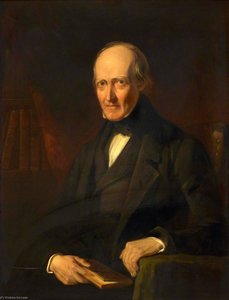
StatsSelf Portrait
 Academic Realism
 1835
1835 92.0 x 72.0 cm
 Royal Scottish Academy of Art - Architecture
Explore Sir William Allan’s ‘Self Portrait’ (1835). A dramatic oil painting of an older gentleman in academic realism. Discover its details & historical significance.
Discover Sir William Allan (1782-1850), a prominent Scottish painter renowned for captivating historical scenes, portraits & landscapes. Explore his influence on Scottish art and legacy at the National Galleries of Scotland. Handmade oil painting rep
 Read More
Giclée / Art Print
Museum-quality giclée or canvas print with fast production and flexible finish options. ( Buy Hand Made Painting Switch to Digital Image)




































Standard
custom
CM
INCH
Pick from our preset sizes that match the artwork's original proportions.
Loading sizes...

width
height
Type the width and the height you need, to fit your frame or your wall. A print can only be cut, never made bigger than the picture, so a size with a different shape loses a part of the image. We send you a digital mockup to approve before we print anything. The picture shown on this page does not show the real cut — only the mockup does.
Worldwide Delivery () in 2 weeks instead of standard 4/5 weeks. (22 October)

Free Worldwide Express Shipping

High-Quality Linen Canvas

Full Shipping Insurance

Customs Tax Refund Guarantee

True Color Matching Guarantee

100-Day Return Policy (Defects Only)

100% Money-Back Guarantee

Bulk Discount Offer
 Glass option is only available in size under 110 CM

Self Portrait
Giclée / Art Print
Reproduction Size
-


Total Price
$ 70
Artist Biography
Sir William Allan: Bridging Scotland and Russia Through the Brush
Sir William Allan (1782-1850) stands as a pivotal figure in 19th-century Scottish art, a master of historical painting who skillfully blended meticulous realism with an evocative sense of drama. Born into a prominent merchant family in Edinburgh, his artistic journey was largely self-directed, nurtured by early exposure to the burgeoning art scene and later guided by the mentorship of Sir Henry Raeburn, a leading figure of the Scottish Enlightenment. Allan’s work transcends mere portraiture; it's a vibrant tapestry woven with threads of Scottish culture, Russian intrigue, and the romantic spirit of his era. His legacy extends far beyond individual paintings, shaping the identity of the National Gallery of Scotland and influencing generations of artists who followed.
Allan’s formative years were steeped in the traditions of Edinburgh's artistic circles. While formal training was limited, he absorbed influences from John Graham at the Trustees’ Academy, alongside the techniques of David Wilkie and Alexander George Fraser. This early exposure instilled a deep appreciation for detail and composition – hallmarks that would define his distinctive style. Crucially, Raeburn recognized Allan’s talent and offered guidance, fostering an understanding of capturing not just likeness but also character and emotion. This connection to the Scottish Enlightenment profoundly shaped Allan's artistic vision, emphasizing observation, intellectual curiosity, and a desire to represent the world with accuracy and nuance.
A Journey East: Capturing Russian Life
A defining moment in Allan’s career was his decision to travel to Russia in 1805. Driven by a fascination with Eastern cultures and a desire for artistic inspiration, he embarked on an extended sojourn that would profoundly impact his work. Allan immersed himself in the daily life of Cossacks, Circassians, and Tartars, meticulously documenting their customs, clothing, and social interactions. He wasn’t merely sketching; he was actively engaging with these communities, earning their trust and gaining access to scenes rarely seen by Western artists. This immersive experience resulted in a series of paintings that offered unprecedented insights into Russian society – a subject largely unexplored by European art at the time.
His most celebrated works from this period include “The Circassian Captives,” a poignant depiction of a group of women awaiting their fate, and “Russian Peasants Keeping Their Holiday,” which captures the vibrant energy of a rural celebration. These paintings are notable not only for their technical skill but also for their empathetic portrayal of marginalized communities. Allan’s approach was revolutionary; he sought to represent these cultures with respect and understanding, moving beyond stereotypical depictions often found in earlier works.
Notable Works & Artistic Style
Allan's artistic style is characterized by a remarkable blend of realism and romanticism. He possessed an exceptional ability to render textures – from the rough wool of Cossack clothing to the shimmering surface of Circassian jewelry – with astonishing detail. His compositions are often dynamic, employing dramatic lighting and carefully arranged figures to create a sense of movement and narrative. Color plays a crucial role in his work, used not merely for decorative effect but to convey mood and atmosphere.
Key works such as “Portrait of John Renny” exemplify his skill in capturing the likeness and personality of his subjects. The self-portrait, painted later in life, reveals a contemplative gaze and a subtle awareness of his own aging. “The Ballad of Old Robin Gray,” a haunting depiction of an elderly man recalling his past, showcases Allan’s ability to evoke emotion through gesture and expression. These paintings, alongside others housed at the Scottish National Gallery, demonstrate a remarkable evolution in his artistic style – from the early influences of John Opie to a more mature and nuanced approach.
Legacy & Influence
Sir William Allan's impact on Scottish art extends far beyond his individual achievements. He played a vital role in establishing the Scottish National Portrait Gallery, contributing significantly to its collection and shaping its identity as a repository of Scottish artistic heritage. His work helped elevate the status of Scottish painting within the broader European art world, challenging prevailing notions of what constituted “serious” art.
Allan’s legacy is also reflected in the works of subsequent generations of Scottish artists. He demonstrated the importance of studying local culture and traditions, encouraging a more nuanced and authentic representation of Scotland on canvas. His commitment to detail, his ability to capture emotion, and his willingness to explore unconventional subjects continue to inspire artists today. The enduring appeal of Allan’s paintings lies not only in their technical brilliance but also in their profound insights into the human condition and the rich tapestry of Scottish and Russian life.

Sir William Allan
1782 - 1850
Quick Facts
- Full Name: Sir William Allan
- Nationality: Scottish
- Date Of Birth: 1782
- Date Of Death: 1850
- Place Of Birth: Edinburgh, Scotland
- Notable Artworks:
- Portrait of John Rennie
- Self Portrait
- The Ballad of Old Robin Gray
- Artistic Movement Or Style: Historical painting
- Artists Who Influenced This Artist: ['Henry Raeburn']
Related Articles

The Soul of Impressionism: Why Oil on Canvas Captures Eternal Light and Timeless Emotion
Discover the enchanting alchemy of Impressionism. Explore how the mastery of oil on canvas, through glazing and impasto, captures eternal light and emotion. Perfect for lovers of Monet and Van Gogh seeking the profound depth of hand-painted fine art.

The Timeless Charm of Oil on Board: Reimagining Texture and Light through the Impressionist Lens
Discover the profound intimacy of oil on panel. Explore how Impressionist masters used rigid supports to capture light, texture, and impasto depth through exquisite, handmade oil reproductions for discerning collectors.
Explore artworks organized by themes, styles, and characteristics.