Preview
 Send
Send Share
Share
 Details
 Guide
Guide

 Download
 Similars
 X-Ray
X-Ray Diaporama
 Q&A
Q&A Stats
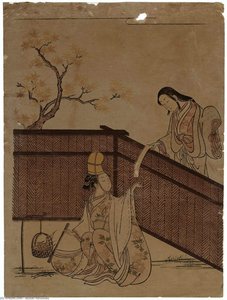
StatsActor with Flute


Discover Suzuki Harunobu’s "Actor with Flute" (1700), a serene Sumi-e ink painting of a Japanese actor. Admire its minimalist elegance & cultural significance – a timeless work of art.
 Read More
Discover Suzuki Harunobu (1725-1770), a pioneer of Japanese ukiyo-e! Explore his innovative nishiki-e prints, lyrical scenes & influence on Japonisme. View artworks & learn more!
Giclée / Art Print
Museum-quality giclée or canvas print with fast production and flexible finish options. ( Buy Hand Made Painting Switch to Digital Image)




P118B $10

P118H $10

P118W $10

P438Z $10

P508JH $12

P508YH $12

P805H $10

P805Z $10

P919BZ $10

P919G $10

P919XJ $10

P959ZH $10

P968JZ $12

W106C $8

W218G $10

W218JH $8

W218Y $10

W307PJ $10

W316G $10

W316PJ $8

W316Y $10

W398PJ $8

W4111J $10

W500HY $15

W500JH $15

W692G $12

W849H $8

W940BG $15

W953PJ $8




Standard
custom
CM
INCH
Pick from our preset sizes that match the artwork's original proportions.
Loading sizes...

width
height
Type the width and the height you need, to fit your frame or your wall. A print can only be cut, never made bigger than the picture, so a size with a different shape loses a part of the image. We send you a digital mockup to approve before we print anything. The picture shown on this page does not show the real cut — only the mockup does.
Worldwide Delivery () in 2 weeks instead of standard 4/5 weeks. (3 November)

Free Worldwide Express Shipping

High-Quality Linen Canvas

Full Shipping Insurance

Customs Tax Refund Guarantee

True Color Matching Guarantee

100-Day Return Policy (Defects Only)

100% Money-Back Guarantee

Bulk Discount Offer
 Glass option is only available in size under 110 CM

Actor with Flute
Giclée / Art Print
Reproduction Size
-


Total Price
$ 70
The Serene Echoes of Performance: An Encounter with Sumi-e Mastery
To gaze upon this depiction of an actor playing the flute is to step into a moment suspended between breath and note. It is not merely a portrait, but a meditation on artistry itself. Executed in the profound tradition of Sumi-e, or Japanese ink painting, the work captures the quiet dignity inherent in skilled performance. The composition centers entirely upon the figure, whose posture suggests both deep concentration and effortless grace. The artist has masterfully employed the stark elegance of black ink against a muted, almost ethereal beige ground. This restraint is key; it forces the viewer to look beyond mere representation and into the very essence of the subject’s spirit.
Technique and Tonal Depth in Ink Wash
The technical brilliance here lies in the handling of the ink wash. Unlike works that rely on sharp outlines or vibrant pigments, this piece achieves its depth through varying densities of sumi. The artist builds tone not with color, but with shadow and gradation—a subtle interplay of washes that suggests texture in the drapery and musculature without ever becoming overly literal. This characteristic flatness, typical of classical Japanese art, deliberately flattens space to elevate the subject’s presence above any concern for realistic perspective. It is a celebration of line economy; every brushstroke feels deliberate, carrying the weight of tradition while maintaining an air of immediate intimacy.
Cultural Resonance and Symbolic Weight
The choice of subject—an artist at his craft—is deeply resonant within Japanese cultural history. The flute itself acts as a potent symbol, representing not just musical skill, but also the disciplined pursuit of beauty and emotional expression. For collectors and designers alike, this piece offers more than mere decoration; it is an artifact imbued with cultural narrative. It speaks to the value placed on refined arts, the quiet moments of contemplation that follow intense creation. The overall feeling evoked is one of serene contemplation, a visual balm for the modern, hurried sensibility.
A Touch of Edo Elegance
While the style harks back to profound artistic lineages, the period context suggests an echo of the refined tastes prevalent during the 18th century. The minimalism inherent in Sumi-e aligns perfectly with aesthetics that prize simplicity and elegance over opulent display. For those curating a space—be it a gallery wall or a private sanctuary—this reproduction offers an unparalleled depth. It whispers tales of master craftsmanship, inviting the viewer to slow their pace, listen for the imagined melody, and appreciate the enduring power of art distilled to its most essential elements.
Questions & Answers
Are there works similar to "Actor with Flute"?
Works similar to "Actor with Flute" are listed on the artwork's Similars page.
How many people view "Actor with Flute"?
A Stats page exists for "Actor with Flute". It charts the monthly visits of the artwork and of the artist's other works, with country and language breakdowns.
Is "Actor with Flute" available as a fine art print?
A print of "Actor with Flute" by Suzuki Harunobu can be ordered directly on its Fine Art Print page: a fine art print on cotton canvas or archival canvas paper.
Artist Biography
early life and influences
suzuki harunobu, a japanese designer of woodblock print art in the ukiyo-e style, was born in 1725. little is known about his early life, but it is believed he grew up in kyoto. his work shows evidence of influences from many artists, including torii kiyomitsu, ishikawa toyonobu, the kawamata school, and the kanō school. however, the strongest influence upon harunobu was the painter and printmaker nishikawa sukenobu, who may have been harunobu's direct teacher.artistic career
harunobu began his career in the style of the torii school, creating many works that were skillful but not innovative. however, with his involvement with a group of literati samurai, he tackled new formats and styles. in 1764, harunobu was chosen to aid these samurai in their amateur efforts to create e-goyomi (calendars). these calendar prints would be the first nishiki-e (brocade prints), with harunobu experimenting with better woods for the woodblocks and using more expensive colors.notable works and innovations
- suzuki harunobu's "brocade prints" led to full-color production becoming standard, with ten or more blocks used to create each print.
- his use of multiple separate woodblocks in the creation of a single image was an innovation that depended on using notches and wedges to hold the paper in place.
- harunobu's prints were popular with the chōnin class, who had become wealthy enough to afford to decorate their homes with them.
legacy
suzuki harunobu's work was central to forming the west's perception of japanese art in the late 19th century. his influence can be seen in the landscapes of hokusai and hiroshige, which were popularized during the japonisme trend.- view suzuki harunobu's artworks on TopImpressionists
- read more about suzuki harunobu on wikipedia
- explore ukiyo-e art on TopImpressionists
notable paintings and artists
- utagawa hiroshige's kyoka tokaido series, seki (view on TopImpressionists)
- miyagawa isshō's shimabara courtesans exorcizing demons (view on TopImpressionists)
- utagawa kuniyoshi's a votive tablet with masks of kabuki actors at face value (view on TopImpressionists)
museums and collections
- indianapolis museum of art (indianapolis, united states)
- fukuoka city museum (fukuoka, japan)

Suzuki Harunobu
1725 - 1770 , Japan
Quick Facts
- Full Name: Suzuki Harunobu
- Nationality: Japanese
- Date Of Birth: 1725
- Date Of Death: 1770
- Place Of Birth: Tokyo, Japan
- Notable Artworks:
- Herons Et Roseaux
- Young Woman Jumping...
- Artistic Movement Or Style: Ukiyo-e, Nishiki-e
- Artists Who Influenced This Artist: ['Nishikawa Sukenobu']
- Artists Or Movements Influenced By This Artist:
- Hokusai
- Hiroshige
Related Articles

Floating Worlds: The Timeless Elegance and Cultural Magic of Ukiyo-e Art
Embark on a cultural journey through the enchanting world of Ukiyo-e. Discover the history, masters like Hokusai, and the vibrant Edo period aesthetics that continue to inspire art lovers worldwide with their timeless beauty and intricate woodblock craftsmanship.
Explore artworks organized by themes, styles, and characteristics.