Preview
 Send
Send Share
Share
 Details
 Guide
Guide

 Download
 Similars
 X-Ray
X-Ray Diaporama
 Stats
StatsOsen
 Woodblock Print
- Ukiyo-e Style
 19th Century
 21.0 x 27.0 cm
 Tobacco and Salt Museum
The print's depiction of Osen’s kimono and the Kasamori Shrine gate contribute to its symbolic richness. It gained recognition as one of Mizoguchi Kenji’s early films adapting Izumi Kyoka’s story.
 Read More
Discover Suzuki Harunobu (1725-1770), a pioneer of Japanese ukiyo-e! Explore his innovative nishiki-e prints, lyrical scenes & influence on Japonisme. View artworks & learn more!
Giclée / Art Print
Museum-quality giclée or canvas print with fast production and flexible finish options. ( Buy Hand Made Painting Switch to Digital Image)




P118B $10

P118H $10

P118W $10

P438Z $10

P508JH $12

P508YH $12

P805H $10

P805Z $10

P919BZ $10

P919G $10

P919XJ $10

P959ZH $10

P968JZ $12

W106C $8

W218G $10

W218JH $8

W218Y $10

W307PJ $10

W316G $10

W316PJ $8

W316Y $10

W398PJ $8

W4111J $10

W500HY $15

W500JH $15

W692G $12

W849H $8

W940BG $15

W953PJ $8




Standard
custom
CM
INCH
Pick from our preset sizes that match the artwork's original proportions.
Loading sizes...

width
height
Type the width and the height you need, to fit your frame or your wall. A print can only be cut, never made bigger than the picture, so a size with a different shape loses a part of the image. We send you a digital mockup to approve before we print anything. The picture shown on this page does not show the real cut — only the mockup does.
Worldwide Delivery () in 2 weeks instead of standard 4/5 weeks. (23 October)

Free Worldwide Express Shipping

High-Quality Linen Canvas

Full Shipping Insurance

Customs Tax Refund Guarantee

True Color Matching Guarantee

100-Day Return Policy (Defects Only)

100% Money-Back Guarantee

Bulk Discount Offer
 Glass option is only available in size under 110 CM

Osen
Giclée / Art Print
Reproduction Size
-


Total Price
$ 70
Suzuki Harunobu’s “Osen”: A Window into Ukiyo-e’s Refined Beauty
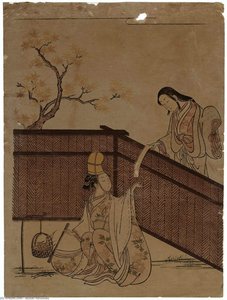
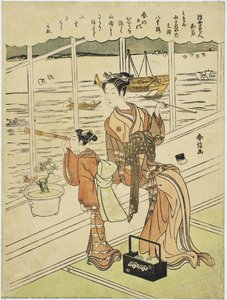
This exquisite hand-painted reproduction captures the essence of Suzuki Harunobu's pivotal contribution to Japanese art – a masterful example of nishiki-e, or brocade prints, produced in the mid-18th century. Measuring 21 x 27 cm, this artwork transports us to the vibrant world of the ukiyo-e style, a movement that flourished during Harunobu’s lifetime and offered fleeting glimpses into everyday life, beauty, and entertainment. The scene depicts two women – an “osen,” or geisha – engaged in a moment of quiet conviviality, offering a poignant reflection on social customs and artistic innovation within Edo period Japan.
A Synthesis of Influences and Innovation
Suzuki Harunobu’s artistic journey was marked by a fascinating interplay between tradition and experimentation. Born in Tokyo in 1725, he initially worked in the style of the Torii school, known for its skillful but somewhat conventional approach to woodblock printing. However, his association with a group of literati samurai proved transformative. This collaboration spurred him to embrace new formats and styles, particularly evident in the creation of nishiki-e prints. Harunobu’s dedication to this innovative style is strikingly apparent here; he meticulously selected premium woods for the woodblocks and employed richer, more expensive pigments – a deliberate departure from earlier practices – reflecting his commitment to elevating the craft of printmaking. The influence of artists like Torii Kiyomitsu, Ishikawa Toyonobu, and notably Nishikawa Sukenobu (his teacher), is subtly woven into the composition, creating a complex tapestry of artistic lineage.
Subject Matter and Symbolism
The central figures, the “osen,” are not merely depicted as beautiful women; they represent a crucial social role within Edo society. The osen were highly skilled entertainers, renowned for their artistry in music, dance, poetry, and conversation. Their presence in this print speaks to the importance of refined leisure and cultural sophistication. The inclusion of cups and bowls suggests an intimate gathering, perhaps a private salon or a moment of shared enjoyment. The background figure adds another layer of narrative complexity, hinting at a broader social context – possibly a patron observing the scene or another participant joining the conversation. The carefully arranged chairs further contribute to the sense of domestic tranquility and refined taste.
Technique and Emotional Impact
Harunobu’s meticulous attention to detail is immediately apparent in this reproduction. The delicate rendering of fabric, the subtle gradations of color, and the precise execution of the figures demonstrate his mastery of woodblock printing techniques. The overall effect is one of serene beauty and quiet contemplation. This artwork evokes a sense of nostalgia for a bygone era, inviting viewers to appreciate the artistry and cultural significance of ukiyo-e prints. The composition’s harmonious balance and gentle mood create an atmosphere of refined elegance – a timeless testament to Harunobu's artistic vision.
Questions & Answers
In what period was "Osen" by Suzuki Harunobu made?
The historical period of "Osen" by Suzuki Harunobu is 19th-Century. This classification situates the work in art history.
What size should I print "Osen" for my room?
For a living room, the recommended print size of "Osen" by Suzuki Harunobu is medium.
What atmosphere does "Osen" have?
"Osen" by Suzuki Harunobu is described as serene in mood. This classification can help match the work to a setting.
Artist Biography
early life and influences
suzuki harunobu, a japanese designer of woodblock print art in the ukiyo-e style, was born in 1725. little is known about his early life, but it is believed he grew up in kyoto. his work shows evidence of influences from many artists, including torii kiyomitsu, ishikawa toyonobu, the kawamata school, and the kanō school. however, the strongest influence upon harunobu was the painter and printmaker nishikawa sukenobu, who may have been harunobu's direct teacher.artistic career
harunobu began his career in the style of the torii school, creating many works that were skillful but not innovative. however, with his involvement with a group of literati samurai, he tackled new formats and styles. in 1764, harunobu was chosen to aid these samurai in their amateur efforts to create e-goyomi (calendars). these calendar prints would be the first nishiki-e (brocade prints), with harunobu experimenting with better woods for the woodblocks and using more expensive colors.notable works and innovations
- suzuki harunobu's "brocade prints" led to full-color production becoming standard, with ten or more blocks used to create each print.
- his use of multiple separate woodblocks in the creation of a single image was an innovation that depended on using notches and wedges to hold the paper in place.
- harunobu's prints were popular with the chōnin class, who had become wealthy enough to afford to decorate their homes with them.
legacy
suzuki harunobu's work was central to forming the west's perception of japanese art in the late 19th century. his influence can be seen in the landscapes of hokusai and hiroshige, which were popularized during the japonisme trend.- view suzuki harunobu's artworks on TopImpressionists
- read more about suzuki harunobu on wikipedia
- explore ukiyo-e art on TopImpressionists
notable paintings and artists
- utagawa hiroshige's kyoka tokaido series, seki (view on TopImpressionists)
- miyagawa isshō's shimabara courtesans exorcizing demons (view on TopImpressionists)
- utagawa kuniyoshi's a votive tablet with masks of kabuki actors at face value (view on TopImpressionists)
museums and collections
- indianapolis museum of art (indianapolis, united states)
- fukuoka city museum (fukuoka, japan)

Suzuki Harunobu
1725 - 1770 , Japan
Quick Facts
- Full Name: Suzuki Harunobu
- Nationality: Japanese
- Date Of Birth: 1725
- Date Of Death: 1770
- Place Of Birth: Tokyo, Japan
- Notable Artworks:
- Herons Et Roseaux
- Young Woman Jumping...
- Artistic Movement Or Style: Ukiyo-e, Nishiki-e
- Artists Who Influenced This Artist: ['Nishikawa Sukenobu']
- Artists Or Movements Influenced By This Artist:
- Hokusai
- Hiroshige
Related Articles

The Soul of the Carved Line: Discovering the Timeless Magic of Japanese Woodblock Prints
Embark on a cultural journey through the delicate beauty of Japanese woodblock prints. Explore the mastery of Ukiyo-e, from Hokusai's dramatic lines to Obata's serene designs, and discover the enduring soul of this timeless art form for the discerning collector.

Floating Worlds: The Timeless Elegance and Cultural Magic of Ukiyo-e Art
Embark on a cultural journey through the enchanting world of Ukiyo-e. Discover the history, masters like Hokusai, and the vibrant Edo period aesthetics that continue to inspire art lovers worldwide with their timeless beauty and intricate woodblock craftsmanship.
Explore artworks organized by themes, styles, and characteristics.