Preview
 Send
Send Share
Share
 Details
 Guide
Guide

 Download
 Similars
 X-Ray
X-Ray Diaporama
 Stats
StatsLE THE


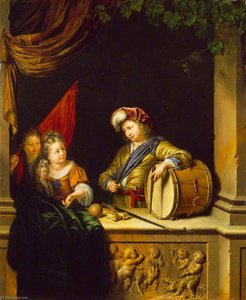
This stunning oil on canvas reproduction showcases Willem van Mieris’s signature style: genre painting emphasizing domestic interiors with meticulous realism. Observe the serene atmosphere illuminated by soft light as figures engage in tea preparation, reflecting the cultural significance of leisure and social status during the Dutch Baroque era.
 Read More
Willem van Mieris (1662-1747) was a Dutch fijnschilder known for elegant genre scenes & portraits of upper-class society. A master of detail, he continued the Leiden tradition alongside his father, Frans van Mieris the Elder.
Giclée / Art Print
Museum-quality giclée or canvas print with fast production and flexible finish options. ( Buy Hand Made Painting Switch to Digital Image)




P118B $10

P118H $10

P118W $10

P438Z $10

P508JH $12

P508YH $12

P805H $10

P805Z $10

P919BZ $10

P919G $10

P919XJ $10

P959ZH $10

P968JZ $12

W106C $8

W218G $10

W218JH $8

W218Y $10

W307PJ $10

W316G $10

W316PJ $8

W316Y $10

W398PJ $8

W4111J $10

W500HY $15

W500JH $15

W692G $12

W849H $8

W940BG $15

W953PJ $8




Standard
custom
CM
INCH
Pick from our preset sizes that match the artwork's original proportions.
Loading sizes...

width
height
Type the width and the height you need, to fit your frame or your wall. A print can only be cut, never made bigger than the picture, so a size with a different shape loses a part of the image. We send you a digital mockup to approve before we print anything. The picture shown on this page does not show the real cut — only the mockup does.
Worldwide Delivery () in 2 weeks instead of standard 4/5 weeks. (25 October)

Free Worldwide Express Shipping

High-Quality Linen Canvas

Full Shipping Insurance

Customs Tax Refund Guarantee

True Color Matching Guarantee

100-Day Return Policy (Defects Only)

100% Money-Back Guarantee

Bulk Discount Offer
 Glass option is only available in size under 110 CM

LE THE
Giclée / Art Print
Reproduction Size
-


Total Price
$ 70
A Symphony of Refinement: The Elegance of Le Thé
In the quiet, luminous world of Willem van Mieris’s “Le Thé,” we are invited into an intimate corner of the Dutch Golden Age, where every brushstroke serves as a testament to an era defined by prosperity and an almost obsessive devotion to realism. Painted around 1690, this masterpiece transcends a mere depiction of tea preparation; it is a captivating glimpse into the opulent domestic interiors that characterized the height of Dutch social prestige. As we gaze upon the scene, we encounter a trio engaged in the ritualistic act of brewing tea—a pastime that was rapidly gaining considerable status across Europe. The artwork embodies an ethos of elegance, meticulously rendered with the unparalleled attention to detail that made the Leiden fijnschilders movement so legendary.
The composition is a masterclass in spatial narrative and orchestrated movement. Van Mieris skillfully directs our gaze through an expansive room adorned with classical architectural elements, where towering columns and arched doorways lend a sense of grandeur to the domestic setting. In the foreground, a woman kneels with focused grace, meticulously arranging tea leaves into a delicate dish, while nearby, another woman sits at a table laden with the fine porcelain and pastries of a well-appointed home. A man stands partially obscured by shadow in the background, his observant presence adding a layer of depth and quiet mystery to the tableau. This deliberate placement of figures creates an immersive realism, anchoring the viewer within the very heart of this sophisticated social ritual.
The Mastery of Light and Texture
What truly distinguishes “Le Thé” is Van Mieris’s breathtaking manipulation of light and color. The palette is dominated by a warm, inviting harmony of creams, golds, browns, and muted reds, creating an atmosphere of profound comfort and luxury. These warm tones are punctuated by subtle, pale blues found in the drapery and clothing, providing a cooling counterpoint that emphasizes the intricate textural nuances of the scene. The lighting itself feels almost ethereal; diffused illumination emanates from an unseen source, casting soft shadows and bathing the figures' faces with a gentle radiance. This technique does more than just illuminate the room—it breathes life into the very fabric of the painting.
For the discerning collector or interior designer, the technical virtuosity on display is nothing short of extraordinary. The artist demonstrates an incredible ability to render a variety of surfaces: the smoothness of porcelain, the delicate sheen of silk garments, the ruggedness of stone columns, and even the fragile texture of tea leaves. This tactile quality makes the artwork feel remarkably present, as if one could reach out and touch the fine embroidery or feel the warmth of the room. The use of soft curves in the figures' forms contrasted against the rigid, rectangular architectural elements creates a balanced, harmonious visual rhythm that is both soothing and intellectually stimulating.
A Timeless Symbol of Status and Serenity
Beyond its technical brilliance, “Le Thé” carries a deep emotional resonance and symbolic weight. During the seventeenth century, the ritual of tea drinking was a potent symbol of refinement, leisure, and elevated social status. By capturing this moment, Van Mieris provides a window into the aspirations of the Dutch upper class, celebrating a lifestyle of quiet luxury and disciplined grace. The inclusion of a small dog at the woman's feet adds a touch of domestic warmth, grounding the high-society ritual in the familiar comforts of home.
For those seeking to bring a sense of historical depth and sophisticated charm to a contemporary space, a high-quality reproduction of this work offers unparalleled inspiration. Whether placed in a grand library, a formal dining room, or a curated gallery wall, “Le Thé” serves as a conversation piece that evokes the splendor of the Dutch Golden Age. It is an investment in beauty, a tribute to the enduring power of fine detail, and a permanent invitation to experience a moment of timeless refinement.
Questions & Answers
What medium is "LE THE" by Willem van Mieris executed in?
"LE THE" is executed in oil on canvas.
Who is the author of "LE THE", and in which movement?
Behind "LE THE" stand Willem van Mieris and the Dutch Baroque movement.
How does "LE THE" balance light and dark?
The recorded values for "LE THE" by Willem van Mieris are: shadow brightness, soft shadow luminance.
Artist Biography
Willem van Mieris (1662 - 1747): The Master of Elegant Detail
Willem van Mieris (1662-1747) stands as a pivotal figure in the Leiden fijnschilders’ movement, embodying the culmination of Dutch Baroque artistic ideals. Born in Leiden on June 3rd, 1662, he descended from a lineage steeped in artistic tradition—his father, Frans van Mieris the Elder (1635-1681), was himself a celebrated genre painter who had established a formidable reputation for capturing the nuances of upper-class society. This familial legacy profoundly shaped Willem’s formative years and instilled within him an unwavering dedication to upholding his father's esteemed position as Leiden’s foremost fijnschilder—a commitment that would define his entire artistic career.- Early Training & Influences:
- Frans van Mieris the Elder’s profound impact on Willem’s technique and aesthetic sensibilities cannot be overstated. Guided by the tutelage of his father, Willem honed his skills under the watchful eye of Gerrit Dou (1613-1675), a master of chiaroscuro and meticulous observation—a stylistic approach that would become synonymous with Leiden fijnschilders.
The Leiden Tradition & Pieter Post’s Vision
Willem van Mieris's artistic trajectory was inextricably linked to the broader intellectual currents of his time. The influence of Pieter Post (1659-1734), a Dutch art theoretician and humanist, proved particularly transformative. Post championed the notion that genre painters should transcend mere representation—rather, they ought to elevate their subjects through classical ideals of beauty and proportion. This conviction spurred Willem to meticulously analyze sculptural masterpieces from antiquity, incorporating their compositional principles into his paintings.A Career Defined by Patronage & Artistic Innovation
Willem’s professional life unfolded amidst a landscape of considerable artistic patronage—he secured commissions from prominent figures such as Madam Oortmans and Pieter de la Court van der Voort, cementing his reputation as one of Leiden's most sought-after artists. Notably, he served as Dean of the Guild of Saint Luke in 1693, demonstrating not only his artistic prowess but also his engagement with the intellectual and social fabric of Leiden.Style & Technique: The Pursuit of Perfection
Willem van Mieris’s distinctive style—characterized by an unparalleled attention to detail and a masterful command of chiaroscuro—represented the apex of Leiden fijnschilders' artistic ambition. Like his father, Willem meticulously studied the works of Gerrit Dou, adopting his technique and stylistic approach. He skillfully rendered textures and surfaces with remarkable accuracy, capturing subtle nuances that breathed life into his subjects. Furthermore, he frequently employed classical poses borrowed from sculptures by Francis van Bossuit—a deliberate gesture aimed at elevating genre painting to the level of monumental art.Legacy & Historical Significance
Willem van Mieris’s oeuvre comprises a vast collection of genre scenes and portraits, reflecting the tastes and sensibilities of his era. His paintings offer invaluable insights into Dutch society during the Baroque period—depicting opulent interiors, refined costumes, and psychologically astute portrayals of human character. Willem's enduring influence extends beyond his artistic achievements; he established Leiden’s Drawing Academy alongside Jacob Toorenvliet and Carel de Moor, fostering a new generation of artists committed to upholding the Leiden tradition—a legacy that continues to resonate within Dutch art history today.
Willem van Mieris
1662 - 1747 , Netherlands
Quick Facts
- Full Name: Willem van Mieris
- Nationality: Dutch
- Date Of Birth: 1662
- Date Of Death: 1747
- Place Of Birth: Leiden, Netherlands
- Notable Artworks:
- The Poultry Seller
- Allegory of Transience
- Artistic Movement Or Style: Fijnschilders
- Artists Who Influenced This Artist:
- Gerard Dou
- Frans van Mieris the Elder
- Artists Or Movements Influenced By This Artist: ['Classical Antiquity Sculpture']
Related Articles

Mastering Light & Shadow: A Journey Through the Dutch Golden Age's Luminous Legacy
Embark on a cultural journey through the Dutch Golden Age. Explore the masterful interplay of light and shadow in 17th-century masterpieces, from Rembrandt to Vermeer, and discover how this era of profound realism continues to inspire fine art collectors today.

Golden Light & Dutch Skies: The Timeless Magic of Dutch Golden Age Landscapes
Discover the breathtaking beauty of Dutch Golden Age landscapes. Explore the mastery of light, chiaroscuro, and 17th-century realism through an expert art history lens, celebrating the enduring legacy of the Dutch Masters for discerning collectors and art lovers.
Explore artworks organized by themes, styles, and characteristics.