


 Preview
 Send
Send Share
Share
 Details
 Guide
Guide

 Download
 Similars
 X-Ray
X-Ray Diaporama
 Stats
StatsCatching Rabbits


A charming glimpse into 1839 rural America features two boys hunting rabbits in this masterful genre painting by William Sidney Mount that invites you to bring the nostalgic warmth of American history into your home.
 Read More
Discover William Sidney Mount (1807-1868), a pioneering American genre painter celebrated for his realistic depictions of rural Long Island life, dance, and everyday moments.
Hand Made Oil Reproduction
Hand-painted oil on canvas in your size and frame, made to order by our artists. ( Switch to Print Switch to Digital Image)




P118B $10

P118H $10

P118W $10

P438Z $10

P508JH $12

P508YH $12

P805H $10

P805Z $10

P919BZ $10

P919G $10

P919XJ $10

P959ZH $10

P968JZ $12

W106C $8

W218G $10

W218JH $8

W218Y $10

W307PJ $10

W316G $10

W316PJ $8

W316Y $10

W398PJ $8

W4111J $10

W500HY $15

W500JH $15

W692G $12

W849H $8

W940BG $15

W953PJ $8




Standard
custom
CM
INCH
Pick from our preset sizes that match the artwork's original proportions.
Loading sizes...

width
height
Type the width and the height you need, to fit your frame or your wall. This is hand-painted, so for a size with a different shape the artist can paint a bit more around the picture, or cut a bit — you choose. We send you a digital mockup to approve before the painting starts. The picture shown on this page does not show the real result — only the mockup does.
Examples of what can be changed: Replace face with customer photo; Add pet (e.g., replace cat with dog); Include hidden message in background; Change background landscape or elements.
After order, TopImpressionists.com team will email client for instructions and provide a mockup preview
After order, TopImpressionists.com team will email client for instructions and provide a mockup preview
Worldwide Delivery () in 3/4 weeks instead of standard 5 weeks. (24 October). No compromise on quality.

Free Worldwide Express Shipping

High-Quality Linen Canvas

Full Shipping Insurance

Customs Tax Refund Guarantee

True Color Matching Guarantee

100-Day Return Policy (Defects Only)

100% Money-Back Guarantee

Bulk Discount Offer
 Glass option is only available in size under 110 CM

Catching Rabbits
Reproduction Medium
Reproduction Size
-


Total Price
$ 269
A Window into Rural Americana
In the quiet, sun-dappled woods of mid-nineteenth century America, William Sidney Mount captures a moment of pure, unadulterated childhood joy in his 1839 masterpiece, Catching Rabbits. This exquisite oil on panel painting serves as much more than a simple depiction of a hunt; it is a profound snapshot of a vanishing way of life. Through the eyes of two young boys, we are invited into a world where the boundaries between humanity and the natural landscape are beautifully blurred. The scene, set near a textured woodland edge, vibrates with the innocent energy of a traditional pastime, offering a nostalgic glimpse into the domestic simplicity and the rugged charm of rural Long Island life.
The composition is masterfully orchestrated to guide the viewer’s gaze through a narrative of discovery. Mount utilizes a pyramidal structure, drawing our eyes upward from the central action toward the reaching branches of the trees, a technique that evokes the Romantic sensibility of his era. There is a palpable sense of depth achieved through the skillful application of chiaroscroll—the dramatic interplay between light and shadow. As light filters through the canopy, it illuminates the fine textures of the scene: the soft, delicate fur of the captured rabbit, the rugged, weathered bark of the tree trunk, and the humble, worn fabric of the boys' clothing. These meticulous details ground the painting in a tangible reality, making the moment feel as though it could be witnessed in real-time.
The Art of the Everyday
As a pioneer of American genre painting, Mount sought to elevate the ordinary. Unlike the grand historical epics or formal portraits that dominated the art world of his time, Catching Rabbits finds its soul in the vernacular. The painting celebrates the dignity found in common pursuits and the quiet beauty of the mundane. Every element, from the watchful presence of a dog on the periphery to the subtle movement of a bird in the sky, contributes to a sense of a living, breathing ecosystem. This focus on the lives of ordinary people—farmers, musicians, and children—reflects a significant cultural shift toward valuing the authentic American identity emerging in the decades following the nation's early growth.
For the discerning collector or interior designer, this work offers an unparalleled emotional resonance. It possesses a light-hearted, playful atmosphere that can breathe warmth and character into any space. The painting does not merely decorate a wall; it tells a story of connection—connection to nature, to family, and to the heritage of the American landscape. Owning a high-quality reproduction of this piece means bringing home a fragment of history, an evocative tableau that continues to inspire wonder through its masterful technique and its heartfelt celebration of life's simplest, most profound pleasures.
Questions & Answers
When was "Catching Rabbits" made?
"Catching Rabbits" dates from 1839. The date places the work within William Sidney Mount's career and its era.
How do contrast and harmony combine in "Catching Rabbits"?
The color analysis of "Catching Rabbits" by William Sidney Mount records a bold contrast and a balanced harmony harmony.
How do I discover artworks close to "Catching Rabbits" by William Sidney Mount?
Works similar to "Catching Rabbits" are listed on the artwork's Similars page.
Artist Biography
A Pioneer of American Genre Painting
William Sidney Mount, born November 26, 1807, in the quiet hamlet of Setauket, Long Island, emerged as a pivotal figure in the development of distinctly American art. He wasn’t drawn to the grand historical narratives or formal portraiture favored by many of his contemporaries; instead, Mount turned his keen eye toward the everyday lives unfolding around him – the farmers, musicians, and ordinary folk who populated the rural landscapes of 19th-century Long Island. This dedication to depicting scenes of common life established him as a pioneer of genre painting in America, a style that celebrated the dignity and inherent beauty found within the mundane. His artistic journey was deeply rooted in his upbringing; his father operated a bustling farm, store, and tavern, while his uncle Micah Hawkins was a man of varied talents – a composer, playwright, mimic, and poet – fostering an environment rich with both artistic expression and observation of human character.Early Training and Artistic Awakening
Mount’s initial foray into the art world began not in a formal academy but through an apprenticeship with his older brother, Henry Smith Mount, a sign painter in New York City. This practical training honed his skills in draftsmanship and painting technique, providing a solid foundation for future endeavors. However, it was a visit to the American Academy of the Fine Arts exhibition in 1825 that truly ignited his artistic passion. Immersed in the works of established artists, Mount experienced an awakening, shifting his focus from traditional subjects toward capturing authentic moments from everyday life. He established his own studio in New York City in 1829, a significant step towards independence and solidifying his commitment to pursuing art as a profession. Though initially influenced by historical painting—he created works like *Christ Raising the Daughter of Jairus* (1828)—Mount soon found his true calling lay in portraying the world he knew best: the rural life of Long Island. He was captivated by the rhythms and interactions of those around him, recognizing a compelling narrative within their simple existence.Capturing Rural Life with Realism and Warmth
Mount’s artistic style is characterized by an unwavering realism coupled with a remarkable ability to infuse his scenes with warmth and humor. He didn't idealize rural life; rather, he presented it as it was – full of both labor and leisure, hardship and joy. His attention to detail is meticulous, from the textures of clothing to the expressions on faces, creating a sense of immediacy and authenticity. *Dancing on the Barn Floor* (1831), one of his early successes, exemplifies this approach; it’s a lively depiction of a rural dance, brimming with energy and capturing the spirit of communal celebration. Later works like *The Banjo Player* (1856) demonstrate not only his technical skill but also a profound sensitivity to his subjects. This poignant portrait of an African American musician is particularly noteworthy for its dignified portrayal, challenging prevailing stereotypes of the time. Other notable paintings include *The Long Story* (also known as *The Tough Story*) and *Right and Left*, each offering a glimpse into the lives and experiences of ordinary Americans.Innovation Beyond the Canvas
Mount’s creativity extended beyond painting; he was also an accomplished musician and inventor. He played the fiddle with skill, composed music, and dedicated considerable time to designing his own version of the violin, which he affectionately named the “Cradle of Harmony.” This passion for music frequently found its way into his artwork, with many paintings featuring musicians or scenes of musical performance. In 1860, demonstrating a remarkable spirit of innovation, Mount constructed a portable studio within a horse-drawn wagon. This mobile workspace allowed him to travel freely throughout Long Island, painting directly from life and capturing spontaneous moments as they unfolded. It was a testament to his dedication to authenticity and his desire to connect with the people he depicted.Legacy and Enduring Influence
William Sidney Mount passed away on November 19, 1868, in his beloved Setauket, leaving behind a rich artistic legacy that continues to resonate today. His pioneering work in genre painting helped establish it as a significant force within the American art landscape, paving the way for future generations of artists who sought to capture the essence of American identity and culture. He is remembered not only for his technical skill and realistic depictions but also for his compassionate portrayal of everyday people, celebrating their lives with dignity and respect. His home and studio are now designated as a National Historic Landmark, preserving his creative space as a testament to his enduring influence. Mount’s paintings offer a valuable window into 19th-century American life, reminding us of the beauty and significance found within the ordinary moments that shape our shared history. He was truly a chronicler of rural America, an artist who understood the power of art to connect us to our past and to each other.
William Sidney Mount
1807 - 1868 , United States of America
Quick Facts
- Full Name: William Sidney Mount
- Nationality: American
- Date Of Birth: 1807
- Date Of Death: 1868
- Place Of Birth: Setauket, United States of America
- Notable Artworks:
- The Banjo Player
- The Long Story
- Dancing on Barn Floor
- Right and Left
- Loss and Gain
- School Boys Quarreling
- Artistic Movement Or Style: Genre painting, Realism
- Artists Who Influenced This Artist:
- Benjamin West
- William Hogarth
- Artists Or Movements Influenced By This Artist: ['American Genre Painting']
Related Articles

Mastering the Elements: The Top 25 Winslow Homer Artworks
Immerse yourself in the raw power of American Realism with our curated guide to the top 25 Winslow Homer artworks. From dramatic seascapes to iconic landscapes, explore the stories behind these timeless masterpieces. Find museum-quality reproductions at TopImpressionists.com.

The Soul of the Heartland: A Reflective Journey Through American Regionalism and the Legacy of Grant Wood
Explore the profound beauty of American Regionalism. Discover how Grant Wood captured the heartland's soul through masterful realism, reflecting a nation's resilience and identity amidst the Great Depression.

Capturing a Vanishing World: The 25 Best Artworks by George Catlin
Journey through history with our curated guide to the top 25 George Catlin artworks. Explore vibrant portraits and iconic scenes of Native American life. Find museum-quality art reproductions and timeless decor inspiration. Discover all masterpieces on TopImpressionists.com.
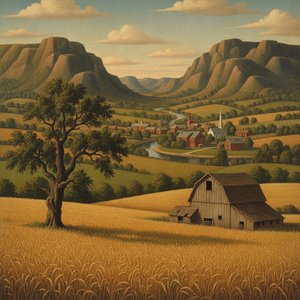
The Soul of the Heartland: A Reflective Journey Through American Regionalism and the Legacy of Grant Wood
Explore the profound beauty of American Regionalism. Discover how Grant Wood captured the resilient soul of the Midwest through masterful oil paintings that celebrate the enduring spirit of the American heartland.

10 Iconic Masterpieces That Defined American Realism
Journey through the soul of American Realism. Explore 10 iconic masterpieces, from Edward Hopper to classic landscapes, and learn the stories behind these timeless works. Find museum-quality art reproductions for your decor. Discover all masterpieces on TopImpressionists.com.
Explore artworks organized by themes, styles, and characteristics.


