The Eternal Beauty of Marble: A Guide to Sculpting Light, Stone, and the Soul of Art History
Explore the sublime artistry of marble sculpture. From Greek antiquity to the masters of light, discover how stone captures the eternal essence of human beauty and emotion through expert craftsmanship and historical mastery.
Marble is a metamorphic rock consisting of carbonate minerals (most commonly calcite (CaCO3) or dolomite (CaMg(CO3)2) that have recrystallized under the influence of heat and pressure. It has a crystalline texture, and is typically not foliated (laye...
To touch marble is to commune with the very foundations of human civilization, a tactile encounter with a stone that possesses a soul far more profound than its geological origins might suggest. While we often categorize it simply as a metamorphic rock—the product of limestone transformed by heat and pressure—to the discerning eye, marble is something much more ethereal. It is a medium defined not by its opacity, but by its relationship with light. Unlike the dense, impenetrable nature of granite, marble possesses a unique crystalline texture that allows for a phenomenon known as subsurface scattering.
This subtle translucency is the secret behind the stone's legendary "inner light." When light strikes a polished surface of fine-grained marble, it does not merely bounce off; it penetrates the surface, traveling a small distance into the stone before being refracted and scattered back to our eyes. This creates a soft, almost pearlesently glow that mimics the delicate luminosity of living human skin. It is this very quality that has captivated artists for millennia, allowing them to breathe life into cold mineral, transforming a static block into a breathing, pulsing entity that seems to radiate warmth from within.
From Antiquity to the Renaissance: The Evolution of Marble in Classical Sculpture
The Ancient Roots: Marble's Rise to Prominence in Greek & Roman Sculpture Wikipedia: Ancient Greek art Ancient Greek art is the visual and applied arts, as well as the architecture, produced by the Hellenes or Greek peoples from the start of the Iron...
The history of marble is inextricably linked to the rise of the great Mediterranean civilizations. While earlier eras utilized wood or more common limestone, it was the ancient Greeks who truly unlocked the stone's transcendent potential. They recognized that the purity of Parian and Pentelic marbles offered a canvas for the idealization of form. From the earliest Cycladic figurines to the monumental masterpieces of the Hellenistic period, marble became the preferred language for expressing the divine and the heroic. The Greeks utilized the stone to capture the tension of muscle and the grace of movement, creating works that felt both eternal and vibrantly alive.
As the Roman Empire expanded, they inherited this reverence, utilizing marble on a grander, more imperial scale. For the Romans, marble was a tool of propaganda and permanence, used in portraiture to project the authority of emperors and in vast architectural triumphs to celebrate the might of Rome. This tradition of excellence flowed seamlessly into the Renaissance, where masters looked back to classical antiquity to rediscover the principles of anatomical accuracy and balanced composition. The stone remained the ultimate medium for those seeking to immortalize the ephemeral moments of human existence, bridging the gap between the mortal world and the divine through the enduring strength of carved stone.
The Sculptor’s Touch: Traditional Tools and the Mastery of Form
--- title: Carving marble with traditional tools (video) | Khan Academy url: https://www.khanacademy.org/humanities/special-topics-art-history/creating-conserving/sculpture/v/carving-marble-with-traditional-tools hostname: khanacademy.org description...
The creation of a marble masterpiece is a rigorous, often arduous journey of physical and intellectual labor. It begins with the raw, unyielding block, which must be tamed through a sequence of disciplined techniques. The process is deeply tactile, requiring an intimate connection between the artist and the stone. Using traditional tools such as point chisels and tooth chisels, the sculptor first shapes the primary mass, removing larger fragments to reveal the emerging silhouette. Each strike of the hammer carries the weight of intention, demanding a precise angle and force to prevent catastrophic fractures in the delicate crystalline structure.
As the form begins to emerge, the artist moves toward more refined instruments. The use of rasps and abrasives allows for the smoothing of surfaces and the creation of intricate textures, from the soft folds of drapery to the subtle contours of a face. This transition from percussion to abrasion is where the true magic occurs; it is in this stage that the sculptor refines the surface to a degree that invites the light to perform its subsurface dance. The mastery lies in knowing exactly when to stop—to leave a certain area with a matte, skin-like texture while polishing another to a high, reflective sheen, thereby directing the viewer's eye through the play of shadow and brilliance.
Capturing the Human Spirit: Anatomical Precision and Emotional Depth in Stone
The Enigmatic Sculptor: Unveiling the World of Alberto Galli Alberto Galli, a name whispered among connoisseurs of Italian marble sculpture, remains an elusive figure despite the enduring beauty and technical mastery evident in his work. While biogra...
Beyond the technical prowess of carving lies the true challenge of sculpture: the infusion of character and emotion into an inanimate object. A truly great marble work does not merely represent a body; it explores a soul. We see this in the meticulous rendering of anatomical detail, where the sculptor captures the subtle tension of a tendon or the soft weight of flesh pressing against stone. Artists like Alberto Galli, working in the transition between Baroque and Neoclassical styles, demonstrated an extraordinary ability to capture not just a likeness, but an inner life suggested through nuanced expressions.
This emotional depth is achieved through a delicate balance between realism and idealization. The sculptor must understand the underlying structure of human anatomy to create a sense of weight and gravity, yet they must also possess the poetic vision to elevate the subject. Whether it is the intense physical struggle seen in Roman works like The Wrestlers or the serene, idealized beauty found in the portraits of the Italian masters, the goal remains the same: to use the medium's capacity for light and shadow to evoke empathy and awe. When executed perfectly, the marble ceases to be stone and becomes a vessel for human feeling, frozen in time yet eternally resonant.
A Legacy of Light: How Marble Influenced the Aesthetic of Later Movements
The Eternal Stone: An Introduction to Marble's Role in Art History To touch marble is to commune with the very foundations of human civilization. For millennia, this metamorphic rock has served as the preferred medium for those seeking to immortalize...
The influence of marble sculpture extends far beyond the classical and Renaissance eras, leaving an indelible mark on the aesthetic sensibilities of subsequent art movements. The reverence for light, form, and texture established by the masters of stone paved the way for a deeper appreciation of luminosity in other mediums. While the Impressionists—those masters of light we hold so dear at TopImpressionists.com—worked primarily with oil on canvas, their obsession with how light interacts with surfaces and atmosphere finds its spiritual ancestor in the translucent glow of polished marble.
The concept of capturing a fleeting moment through the manipulation of light is a thread that runs from the ancient Greek sculptor to the brushstrokes of Monet. Even as art moved toward abstraction and modernism, the lessons learned from the "inner light" of marble remained foundational. The way a sculptor uses shadow to define volume or how an Impressionist uses color to suggest atmosphere both stem from a fundamental understanding of visual perception. Thus, the legacy of marble is not merely found in museums, but in the very way we learn to see the world—not as a collection of solid objects, but as a beautiful, ever-shifting interplay of light and shadow.
At TopImpressionists.com, we celebrate this enduring passion for art history. Whether you are seeking a hand-painted oil reproduction that captures the textured soul of a masterpiece or looking to transform a personal memory into a work of timeless beauty, our master artists are dedicated to preserving the excellence of the past for your modern home.
Discover the sublime beauty of marble art through an expert exploration of Renaissance and Neoclassical masterpieces. From the delicate textures of Carpeaux to the grandeur of Sansovino, immerse yourself in a guide to timeless elegance and sculptural perfection.
Explore the groundbreaking art of Antonello da Messina, a pivotal figure of the Renaissance. Discover his innovative oil painting techniques, captivating portraits, and lasting influence on Italian masters. Learn more at TopImpressionists.
Explore the profound history and technical mastery of marble sculpture. From Ancient Greek perfection to Baroque drama, discover how masters transformed stone into eternal life through an expert art-history lens.


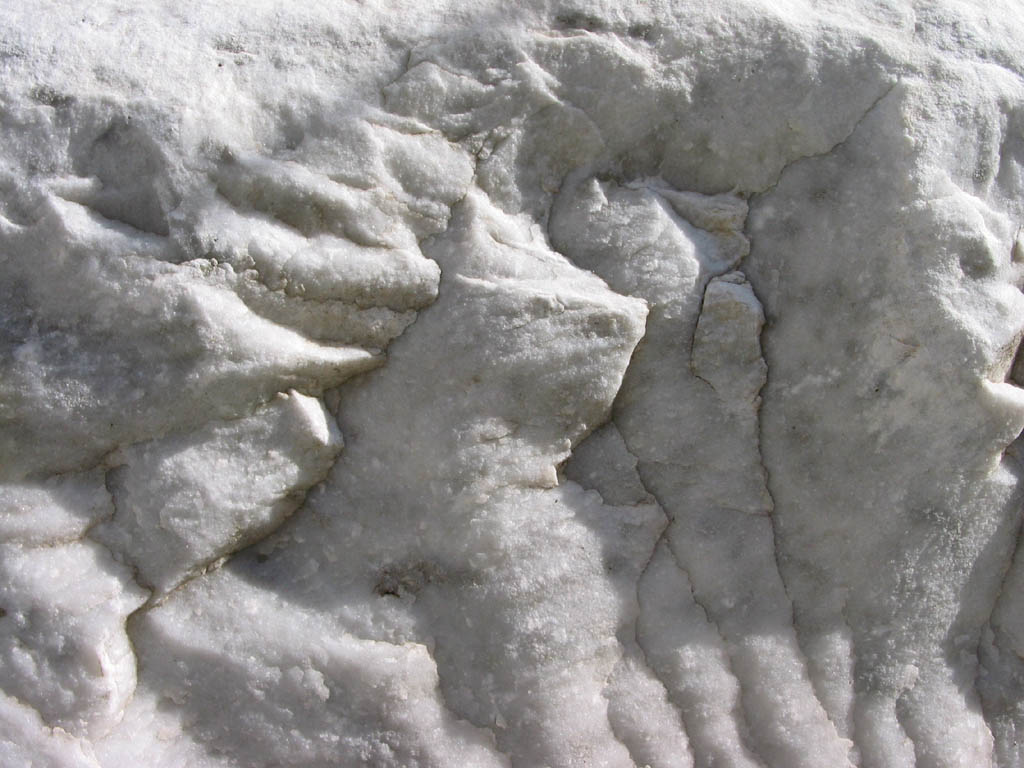 Marble
 The Enduring Allure of Marble in Art History: From Classical Sculpture to Modern Abstraction
 alberto galli
 Timeless Elegance: A Complete Guide to the Sublime Beauty and Artistry of Marble Sculpture


