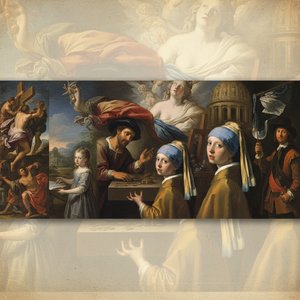
A Living Masterpiece: The Soul of the Palazzo Doria Pamphilj
To step across the threshold of the Galleria Doria Pamphilj is to leave the frantic pulse of Rome’s Via del Corso and enter a realm where time itself seems to pause in reverence. This is not merely a museum, but a breathing, living chronicle of Roman aristocratic splendor. Nestled within the magnificent Palazzo Doria Pamphilj, the gallery offers an intimacy rarely found in state-run institutions. Here, the boundaries between a private residence and a public sanctuary blur, allowing visitors to wander through gilded halls that have sheltered the same illustrious family for centuries. The experience is one of profound immersion, where the air feels heavy with the weight of history and the echoes of papal influence, offering an unparalleled glimpse into the opulent lifestyle of Italy's elite.
The architectural journey through the palazzo is a choreographed dance of light and luxury, moving from Renaissance foundations to the theatrical heights of the Baroque era. The façade, a striking exemplar of grandeur, commands attention on the bustling street, yet it is the interior that truly captivates the soul. As one moves through the state rooms, the eyes are drawn upward to soaring galleries adorned with gilded ceilings and breathtaking frescoes executed by masters like Giovanni Battista Gaulli. For the interior designer or lover of period decoration, every marble surface, intricate molding, and frescoed mural serves as a masterclass in cohesive aesthetic perfection, creating an atmosphere where art and architecture are inextricably interwoven.
A Pantheon of Baroque Brilliance and Renaissance Grace
At the very heart of this collection lies a confrontation with greatness, most notably through Velázquez’s monumental Portrait of Pope Innocent X . Completed in 1651, this masterpiece is much more than a depiction of authority; it is a psychological revelation. Through a masterful use of chiaroscuro, Velázquez captures the subtle nuances of the Pope's expression, revealing an inner turmoil beneath the outward dignity of his papal attire. This dramatic interplay of light and shadow creates a palpable sense of presence that draws the viewer into the very gaze of the Pontiff, making it one of the most celebrated portraits in the history of Western art.
The gallery’s Baroque identity is further deepened by the revolutionary works of Caravaggio. In canvases such as The Rest on the Flight into Egypt , the artist’s signature technique of tenebrism—the extreme contrast between piercing light and impenetrable darkness—transforms biblical narratives into visceral human experiences. These works do not merely tell a story; they evoke a spiritual intensity that mirrored the fervor of the Counter-Reformation. Yet, amidst this dramatic tension, the collection finds balance in its Renaissance treasures. The serene grace of Raphael’s Madonna della Scala and the botanical delicacy of Titian’s Flora offer moments of humanist harmony, celebrating beauty, intellect, and the natural world with a meticulousness that continues to inspire awe.
A Legacy of Private Patronage
What truly distinguishes the Galleria Doria Pamphilj from the clinical halls of modern museums is its enduring connection to the House of Doria Pamphilj. Unlike institutions where treasures are sequestered behind protective glass, the art here feels as though it belongs to the very walls that house it. This continuity of tradition, maintained by the private ownership of the princely Roman family, ensures that the collection remains a personal legacy rather than a mere historical archive. It is a place where history does not merely sit in stasis but breathes through the ongoing life of the palace, from the preservation of its extraordinary canvases to the occasional resonance of Baroque music performed within its grand halls. For the collector and the historian alike, the gallery stands as a testament to the transformative power of patronage and the eternal beauty of a curated life.