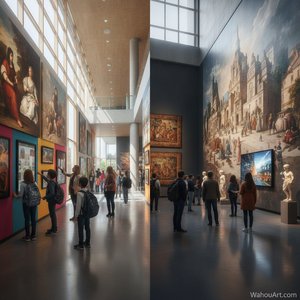
A Sanctuary of Brazilian Creativity: The Soul of IMS Rio
Nestled within the verdant embrace of Rio de Janeiro, the Instituto Moreira Salles (IMS) stands as a luminous testament to the enduring spirit of Brazilian culture. It is not merely a museum, but a living, breathing sanctuary where history and modernity converge in a seamless dance of light and shadow. Founded in 1992 by the visionary banker and diplomat Walter Moreira Salles, the institution was born from a profound impulse to preserve the multifaceted layers of Brazil’s identity. What began as a focused cultural endeavor has blossomed into a multi-faceted pillar of the arts, with its Rio de Janeiro branch serving as a breathtaking intersection of intellectual curiosity and natural splendor. For the art lover or the discerning collector, IMS offers more than just an exhibition; it offers a profound encounter with the very essence of the Brazilian soul.
The architectural experience of IMS Rio is, in itself, a masterpiece of modernist elegance. Designed by Olavo Redig de Calas in the 1950s, the structure embodies the mid-century ideal of harmony between human innovation and the organic world. The building’s design utilizes expansive glass walls and open corridors to dissolve the boundaries between the interior galleries and the lush surroundings. This dialogue with nature is further elevated by the legendary landscape architecture of Roberto Burrende Marx . His meticulously crafted gardens, featuring native Brazilian flora arranged in rhythmic, geometric patterns, act as living sculptures that frame the museum’s modernist lines. For the interior designer or admirer of spatial aesthetics, the way the sunlight filters through the Tijuca Forest canopy to illuminate the museum's halls provides an unparalleled lesson in atmospheric composition and serene contemplation.
A Kaleidoscope of Visual and Auditory Heritage
At the heart of the IMS experience lies its extraordinary collection, a kaleidoscope of cultural expressions that spans photography, music, literature, and film. The photographic archive is perhaps the institution's most precious jewel, housing an astounding two million images that chronicle the visual evolution of Brazil from the 19th century to the contemporary era. Visitors can trace the nation's narrative through the pioneering lenses of masters like Augusto Malta and Marc Ferrez , moving through to modern works that tackle complex social and political landscapes. This visual journey is complemented by a deep commitment to the auditory and the written; the institute celebrates the rhythmic legacies of samba and bossa nova while fostering a vibrant literary community through curated discussions and book launches.
It is this multidisciplinary approach—treating the image, the sound, and the word as equal threads in a single tapestry—that makes IMS a unique destination for those seeking to understand the true breadth of Brazilian heritage. While the Rio de Janeiro site currently undergoes an ambitious period of renovation to expand its storage and enhance the visitor experience, the spirit of the Instituto Moreira Salles remains vibrantly active. Through collaborative exhibitions and digital resources, the institution continues to bridge the gap between historical preservation and contemporary innovation. As the museum prepares to unveil its revitalized physical space in 2025, it stands poised to reaffirm its role as a beacon of creativity, ensuring that the legacy of Walter Moreira Salles continues to illuminate the path toward a future defined by cultural richness and artistic discovery.