A Palace Reborn: The Timeless Allure of Musée d'Arts de Nantes
In the verdant heart of the Loire Valley, where history breathes through the cobblestones of Nantes, stands a sanctuary of human creativity that transcends the boundaries of time. The Musée d’Arts de Nantes is far more than a mere repository for relics; it is a living, breathing dialogue between the grandeur of France’s past and the bold provocations of its future. Born from a revolutionary impulse to democratize beauty, this institution ensures that the treasures of the state are a shared heritage for all. To approach the museum is to witness a breathtaking architectural metamorphosis that serves as a masterclass in aesthetic harmony. The original 1893 structure, designed by Clement-Marie Josso, remains a jewel of classical elegance, characterized by its stately presence and a magnificent central courtyard where light cascades through a soaring glass roof. This sense of airy, luminous grandeur provides a dignified stage for the Old Masters, yet the museum refuses to remain anchored solely in the past .
The 2017 expansion, a masterstroke by the British architectural firm Stanton Williams, introduced the striking "Cube" extension. This contemporary addition does not compete with the historical palace but rather enters into a sophisticated dance with it, creating a seamless transition between the ornate textures of the nineteenth century and the sleek, minimalist geometries of the modern era. For the interior designer or the lover of aesthetics, this interplay of old and new offers a profound lesson in how structure can evoke both nostalgia and progress.
A Tapestry of Mastery and Modernity
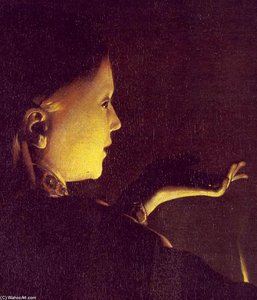
The soul of the museum lies within its vast, eclectic tapestry of artistic movements, spanning thirteen centuries of human expression. Visitors find themselves wandering through a curated journey that begins with the dramatic chiaroscastro of masters like Artemisia Gentileschi and the delicate, rococo grace of Watteau , only to emerge into the vibrant, light-drenched worlds of Impressionism and Post-Impressionism. The collection is particularly renowned for its strength in nineteenth and twentieth-century works, where color and emotion take center stage.
This richness is further amplified by the legendary Cacault Collection , a transformative gift from brothers Pierre and Françoise Cacault that infused the museum with an unparalleled depth of modern mastery. This treasure trove, containing over 1,155 paintings and numerous sculptures, brings a pulse of contemporary vitality to the halls, creating a bridge between centuries of human endeavor. Through strategic collaborations with institutions such as the Centre Pompidou , the museum ensures that its narrative remains at the cutting edge of global art trends.
What truly distinguishes the Musée d’Arts de Nantes is its role as a dynamic cultural hub, where the boundaries between historical preservation and contemporary exploration are perpetually blurred. The institution fosters a deep connection to both local Breton traditions and international avant-garde movements through various immersive experiences:
- The sacred atmosphere of the Chapelle de l’Oratoire , which hosts immersive temporary exhibitions.
- Regional insights provided by the Musée Dobrée , enriching the local historical context.
- A continuous dialogue between the historic cathedral surroundings and the lush Jardin des Plantes .