A Journey Through the Soul of Belgium
Nestled in the historic heart of Brussels, the Musées Royaux des Beaux-Arts stands as a profound testament to the enduring power of human creativity. This sprawling complex is far more than a mere repository for relics; it is a living, breathing chronicle of artistic evolution that invites visitors to traverse centuries of emotion and intellect. From its grand neoclassical beginnings under the vision of Napoleon Bonaparte in 1801 to its current status as a global beacon of culture, the museum offers an immersive odyssey. Whether one is wandering through the imposing, stately halls of the central building or losing oneself in the dreamlike corridors of the Magritte Museum, the experience is designed to transcend mere observation, sparking a deep, and contemplative connection with the creative spirit that has defined the Low Countries for generations.
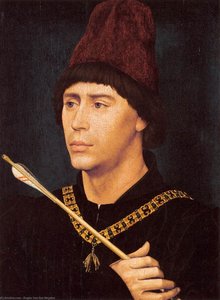
The heart of the institution beats most vibrantly within the Oldmasters Museum , a veritable cathedral dedicated to the Flemish tradition. Here, the air seems thick with the weight of history and the meticulous precision of masters who captured life in its most raw and divine forms. Visitors are met with the breathtaking scale of Rubens , whose Baroque canvases explode with a dynamic energy and a palette so rich it feels as though the figures might step directly from the frame into the room. In contrast to this theatrical grandeur, the works of Bruegel the Elder offer a more grounded, yet no less profound, window into the human condition, depicting peasant life with a startling realism and a subtle, often darkly humorous, social commentary. The technical virtuosity found in the religious compositions of Rogier van der Weyden further elevates this collection, where every tear and every fold of fabric is rendered with an almost unbearable sense of devotion and sorrow.
Surrealism and the Evolution of Vision
Beyond the classical mastery of the Flemish greats, the museum offers a startling leap into the subconscious through the Magritte Museum . Housed in the historic Hôtel du Lotto, this space serves as a sanctuary for the surrealist movement, dedicated entirely to the enigmatic vision of René Magritte. It is a place where reality bends and logic dissolves; one encounters the iconic bowler-hatted figures and the unsettlingly familiar objects that challenge our very perception of existence. This museum does not merely display art; it invites an intellectual interrogation of the relationship between image and reality, making it an essential pilgrimage for those who find beauty in the mysterious and the unexpected. The architecture itself mirrors this aesthetic, utilizing clean lines and stark contrasts to complement the artist's conceptual rigor.
For the discerning collector or the interior designer seeking inspiration, the Royal Museums provide a limitless mosaic of styles and eras. The collection extends into several captivating realms:
- The Fin-de-Siècle Museum , where the anxieties and vibrant expressions of the turn of the 20th century are captured through the works of artists like James Ensor.
- The Modern Museum , which traces the social and political shifts of the mid-20th century.
- Monumental Works , including the singular pieces by Antoine Wiertz and the evocative, industrial sculptures of Constantin Meunier that add layers of depth to this cultural tapestry.
With a rotating program of temporary exhibitions that bring contemporary voices into dialogue with the old masters, the Musées Royaux des Beaux-Arts remains a vital, ever-evolving landmark—a place where history is not just preserved, but actively reimagined for the modern world.