A Royal Resonance: The Enduring Legacy of Łazienki Park
Nestled in the verdant heart of Warsaw, the Royal Łazienki Museum transcends its designation as merely a green space; it embodies centuries of Polish artistic and cultural evolution. More than just a picturesque landscape, this sprawling estate—originally a modest Baroque bathing pavilion conceived by Tylman van Gameren—has undergone dramatic transformations under successive monarchs, culminating in the magnificent Palace on the Isle and establishing itself as a cornerstone of Poland’s national identity. The vision of King Stanisław II August was nothing short of revolutionary: he sought to forge a space where art and nature could coexist harmoniously, fostering intellectual discourse and celebrating Polish heritage through breathtaking aesthetic brilliance.
The architectural narrative unfolding within the park is one characterized by continuous adaptation—a testament to shifting artistic sensibilities and movements. The Palace on the Isle stands as a beacon of Neoclassical grandeur, initially envisioned as a Baroque bathhouse but reborn under Stanislam August’s patronage into an ethereal masterpiece. Its façade, adorned with Corinthian columns mirroring the classical ideals championed during his reign, rises organically from the water, creating an unforgettable visual experience. Stepping inside transports visitors to the opulent world of the late 18th century, where meticulously recreated rooms offer glimpses into royal life and intellectual pursuits. Adjacent to this architectural marvel is the White Pavilion, designed as a tranquil retreat for the monarch—a deliberate contrast to the formality of courtly ceremonies. Its airy interiors and delicate stucco ornamentation evoke a sense of intimacy and refined simplicity, reflecting a profound appreciation for understated elegance.
A Garden of Delights: Nature as Art
Beyond the palaces, Łazienki Park itself is an artwork—a meticulously crafted landscape reflecting diverse styles from Italianate formality to Romantic naturalism. King Stanisław August’s influence was particularly pronounced, blending classical principles with Polish sensibilities to generate spaces that felt both grand and deeply connected to their surroundings. Visitors can wander along shaded pathways encountering cascading fountains, manicured lawns, and a vibrant tapestry of flora—including the iconic peacocks whose iridescent plumage adds an element of exotic beauty. The park’s history is interwoven with significant horticultural achievements, showcasing experimental plantings and contributing to the development of Polish landscape design.
This botanical splendor finds its most poignant expression in the musical lore of the estate. Łazienki Park holds a singular place in musical history as the site of Warsaw’s annual Chopin Concerts—a tradition born shortly after Frédéric Chopin’s death and continuing to this day. Every summer evening, audiences gather beneath the statue of Chopin—himself inextricably linked to Polish identity—to immerse themselves in his timeless melodies. These concerts transcend mere performance; they constitute communal experiences that forge a profound connection between listeners and Chopin's spirit, serving as a palpable reminder of Poland’s artistic soul. The music performed resonates within the very gardens that inspired him, creating an unforgettable sensory encounter.
A Living Museum: Preservation and Renewal
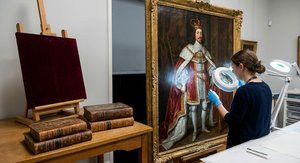
Today, the Royal Łazienki Museum continues to thrive as a dynamic cultural institution dedicated to safeguarding the park's heritage through ongoing conservation efforts that ensure its splendor for future generations. The museum serves as a bridge between eras, hosting a diverse array of exhibitions that showcase both historical artifacts and contemporary art, promoting a vital dialogue between the past and the present. Recent initiatives, including thermal upgrades of historic buildings, stand as a testament to Poland’s commitment to preserving architectural treasures through modern innovation.
For the collector and the admirer of fine aesthetics, the museum offers more than just a visit; it offers an immersion into a living legacy. The Royal Łazienki Museum stands as a powerful symbol of resilience—demonstrating that beauty and artistic expression endure across time, enriching the cultural landscape of Warsaw and Poland alike. Whether one is drawn by the architectural precision of its Neoclassical structures or the romantic whispers of its forested paths, the museum remains an essential destination for anyone seeking to understand the profound intersection of nature, history, and the human creative spirit.