A Sanctuary of Soul: Exploring the Munch Museum
Oslo’s waterfront has undergone a remarkable transformation in recent years, and at its heart stands MUNCH – a breathtaking architectural statement dedicated entirely to the life and work of Norway’s most celebrated artist, Edvard Munch. More than just a repository for iconic paintings like The Scream , this institution is a profound immersion into the emotional landscape of a man who dared to depict the anxieties and complexities of the modern human condition. The museum isn’t merely a place to see art; it’s a space designed to evoke feeling, to resonate with the universal themes of love, loss, and existential dread that permeate Munch’s oeuvre. It is a journey into the very core of what makes us human, rendered in swirling colors and haunting forms.
The story of the Munch Museum is itself imbued with drama, mirroring the turbulent life of its namesake. Founded in 1963 as a tribute on what would have been Munch’s 100th birthday and initially housed at Tøyen, it grew organically alongside an expanding collection – a testament to the artist’s enduring legacy. The relocation to Bjørvika in 2021 marked not just a change of address but a symbolic rebirth. Designed by Spanish architect Juan Herreros, the new building is a striking presence on Oslofjord, its undulating form and distinctive safety features sparking conversation. Some playfully dub it “the world’s largest collection of guard rails,” yet this unconventional aesthetic serves a purpose: to create a secure environment for the museum's invaluable holdings while simultaneously offering visitors breathtaking panoramic views.
A Universe of Munch: Beyond the Iconic Scream
While The Scream undoubtedly holds its place as one of the most recognizable images in art history, to define Munch solely by this single work would be a profound disservice. The MUNCH Museum houses over 1,200 paintings, alongside an astonishing collection of more than 18,000 prints and lithographs, sculptures, drawings, sketches, and personal artifacts. Visitors can trace the development of his artistic vision through masterpieces like Madonna – a haunting depiction of feminine mystery and mortality – and The Dance of Life , a vibrant exploration of love, desire, and the cyclical nature of existence. It is here that one truly grasps the breadth and depth of his creative genius, recognizing the recurring motifs – the anguished figures, the blood-red skies, the desolate landscapes – that define his unique visual language.
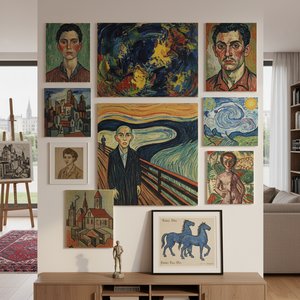
The museum’s collection offers a window into the evolution of Expressionism, allowing collectors and art enthusiasts to witness how Munch transitioned from naturalistic influences to a deeply symbolic and psychological style. The sheer volume of graphic works allows for an intimate study of his technique, revealing the raw energy behind every line and shade. For the interior designer or the passionate observer, these works provide more than just visual interest; they offer a profound emotional resonance that can transform any space into a site of contemplation.
A Living Legacy: Contemporary Dialogue and Cultural Engagement
MUNCH isn’t simply a shrine to the past; it’s a dynamic cultural hub actively engaging with contemporary art. Alongside its permanent collection, the museum hosts rotating exhibitions featuring both established and emerging artists, fostering dialogue between Munch’s legacy and current artistic trends. This commitment extends beyond visual arts, encompassing lectures, workshops, film screenings, and performances – all designed to deepen understanding of Expressionism and its continuing influence. The museum also boasts several dining options, from casual cafes to upscale bistros, encouraging visitors to linger and fully immerse themselves in the experience.
What truly sets MUNCH apart is its unwavering dedication to a single artist, allowing for an unparalleled level of scholarly research and interpretive depth. It’s a place where one can truly lose themselves in the world of Edvard Munch, exploring the nuances of his technique, the symbolism embedded within his imagery, and the profound emotional resonance that continues to captivate audiences worldwide. Whether you are an art historian, a passionate collector seeking inspiration, or an interior designer looking for evocative imagery, the Munch Museum offers an unforgettable experience – a journey into the heart of human emotion and artistic innovation.