Vista previa
 Compartir
 Compartir
 Ver detalles
 Guía
Guía

 Descargar
 Ver artículos similares
 Radiografía
 Presentación de diapositivas
 Estadísticas
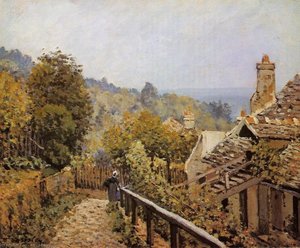
The Bridge at Moret


Alfred Sisley's 'The Bridge at Moret' captures the serene beauty of a French landscape in quintessential Impressionist style. This 1893 oil painting evokes tranquility and light, showcasing Sisley’s mastery of capturing fleeting moments. Discover this iconic artwork today.
 Leer más
Alfred Sisley (1839-1899): Maestro impresionista franco-británico de paisajes serenos y luz. Descubre escenas tranquilas del campo francés, ríos como el Támesis y paletas de colores delicadas.
Giclée / Impresión de arte
Impresiones giclée o en lienzo de calidad de museo con producción rápida y opciones de acabado flexibles. ( Encargar reproducción pintada a mano Ver versión en imagen digital)




P118B €10

P118H €10

P118W €10

P438Z €10

P508JH €12

P508YH €12

P805H €10

P805Z €10

P919BZ €10

P919G €10

P919XJ €10

P959ZH €10

P968JZ €12

W106C €8

W218G €10

W218JH €8

W218Y €10

W307PJ €10

W316G €10

W316PJ €8

W316Y €10

W398PJ €8

W4111J €10

W500HY €15

W500JH €15

W692G €12

W849H €8

W940BG €15

W953PJ €8




Estándar
personalizado
CM
INCH
Elija entre nuestros tamaños predefinidos que respetan las proporciones originales de la obra.
Loading sizes...

ancho
altura
Introduzca el ancho y el alto que necesite para adaptarse a su marco o pared. Una impresión solo puede recortarse, nunca hacerse más grande que la imagen original, por lo que un tamaño con una forma distinta perderá parte de la obra. Le enviaremos una maqueta digital para su aprobación antes de realizar cualquier impresión. La imagen que se muestra en esta página no refleja el recorte real; solo la maqueta lo hace.
Envío a todo el mundo () en 2 semanas en lugar de las 4/5 semanas estándar. (23 octubre)

Envío exprés gratuito a todo el mundo

Lienzo de lino de alta calidad

Seguro de envío completo

Garantía de reembolso de impuestos aduaneros

Garantía de fidelidad cromática exacta

Política de devolución de 100 días (solo por defectos)

Garantía de devolución del 100% del dinero

Oferta por volumen
 La opción de vidrio solo está disponible en tamaños inferiores a 110 cm.

The Bridge at Moret
Giclée / Impresión de arte
Tamaño de la reproducción
-


Precio total
€ 61
The Bridge at Moret: A Symphony of Light and Tranquility
Alfred Sisley’s “The Bridge at Moret” is more than just a depiction of a rural French scene; it's an immersion into the very soul of Impressionism. Painted in 1893, this oil on canvas captures a fleeting moment – a bridge spanning a serene river, bisecting a small town bathed in the soft glow of afternoon light. The painting’s enduring appeal lies not just in its picturesque subject matter but in Sisley's masterful ability to translate his immediate sensory experience onto the canvas, embodying the core tenets of the movement that sought to capture the ephemeral qualities of light and color.
Sisley, a British-born painter who spent his career in France, was deeply influenced by the Romantic landscape tradition, yet he forged his own path within the burgeoning Impressionist circle. His work is characterized by a remarkable sensitivity to atmosphere, achieved through meticulous observation and a deliberate rejection of traditional academic techniques. Unlike artists focused on precise detail and polished surfaces, Sisley prioritized conveying the *impression* of a scene – the way light dances across water, the subtle shifts in color as shadows lengthen, the overall feeling of tranquility.
A Window into Impressionist Technique
- Color Palette: The painting’s dominant hues—muted greens, blues, and browns—are carefully layered to create a sense of depth and atmosphere. Sisley employed broken brushstrokes, applying paint in short, distinct dabs rather than blending them smoothly, a technique that allowed the colors to mix optically in the viewer's eye.
- Light as Subject: The most striking element is undoubtedly the play of light. Sisley expertly captures the effects of sunlight filtering through trees and reflecting off the water’s surface, creating shimmering highlights and subtle gradations of tone. This focus on light—a hallmark of Impressionism—elevates the scene beyond a simple landscape to a study in visual perception.
- Brushwork: Notice the loose, expressive brushstrokes that define the bridge, the buildings, and the foliage. These aren’t attempts to meticulously render every detail; instead, they convey movement, energy, and the artist's immediate response to the scene.
Historical Context and Symbolism
“The Bridge at Moret” was created during a pivotal moment in art history – the rise of Impressionism challenged the established norms of the Salon, the official art exhibition in Paris. Sisley’s work reflects this spirit of rebellion, embracing spontaneity and subjective experience over academic conventions. The bridge itself can be interpreted as a symbol of connection—linking the town to the river, and perhaps, representing the artist's own journey through artistic exploration.
The painting is currently housed in the Musée d’Orsay in Paris, a testament to its enduring significance within the Impressionist canon. Its presence alongside works by Monet and Pissarro further solidifies Sisley’s place as a key figure in this revolutionary movement. Its historical context adds another layer of appreciation; it's a snapshot of rural France at the turn of the 20th century, a time of social change and artistic innovation.
Bringing “The Bridge at Moret” into Your Space
A hand-painted reproduction of “The Bridge at Moret” offers a unique opportunity to bring this iconic Impressionist masterpiece into your home or office. TopImpressionists’s meticulous reproductions capture the essence of Sisley's original, faithfully recreating the painting's delicate color palette and expressive brushwork. Whether adorning a formal living room or adding a touch of tranquility to a workspace, this artwork will undoubtedly become a focal point, sparking conversation and inspiring contemplation.
Preguntas y respuestas
¿A qué artista se le atribuye "The Bridge at Moret"?
"The Bridge at Moret" se atribuye a Alfred Sisley.
¿Existe una guía para "The Bridge at Moret" de Alfred Sisley?
La página Guía de "The Bridge at Moret" de Alfred Sisley ofrece una ficha informativa imprimible de dos hojas: la obra con su tabla de identidad, una línea de tiempo por décadas que la sitúa en la vida del artista, otras obras del mismo autor, la paleta de colores medida y citas listas para copiar en cuatro estilos diferentes.
¿Qué tamaño de impresión de "The Bridge at Moret" de Alfred Sisley se adapta a la habitación recomendada?
En un Living Room, se sugiere imprimir "The Bridge at Moret" en un tamaño de Large.
Obras relacionadas


Biografía del artista
Alfred Sisley: Un Viaje a Través de la Luz y el Paisaje Impresionista
Primeros Años y Formación
- Nacido en París el 30 de octubre de 1839, Alfred Sisley era hijo de William Sisley, comerciante de seda, y Felicia Sell, una aficionada a la música.
- En 1857, a los 18 años, se trasladó a Londres para seguir una carrera en el mundo empresarial, pero pronto abandonó este camino.
- Regresó a París en 1861 y comenzó su formación artística en 1862 bajo la tutela del artista suizo Marc-Charles-Gabriel Gleyre en la École des Beaux-Arts.
- Fue allí donde entabló amistad con otros artistas como Frédéric Bazille, Claude Monet y Pierre-Auguste Renoir, formando relaciones cruciales que moldearían su trayectoria artística.
Desarrollo Artístico y Estilo
- Sisley se dedicó a la pintura de paisajes en plein air – al aire libre, observando directamente la naturaleza.
- Sus primeras obras fueron inicialmente rechazadas por el jurado del Salón, pero perseveró, impulsado por su pasión por capturar momentos fugaces de luz y atmósfera.
- Se centró consistentemente en la pintura de paisajes a lo largo de su carrera, a diferencia de algunos impresionistas que exploraron otros géneros.
- El estilo de Sisley se caracteriza por la tranquilidad, paletas de colores delicadas – a menudo tonos pálidos de verde, rosa, púrpura, azul polvoriento y crema – y una sutil representación de los efectos de la luz.
Temas Clave y Obras Destacadas
- Los paisajes fluviales fueron un tema recurrente en la obra de Sisley. Creó una serie de pinturas del río Támesis durante un viaje a Inglaterra en 1874, produciendo casi veinte obras cerca de Molesey.
- Representó con frecuencia escenas alrededor de Moret-sur-Loing, donde vivió durante muchos años, capturando sus canales, puentes y la campiña circundante.
- Obras notables incluyen “Molino de agua cerca de Moret”, “Bargas en el Canal de Loing, Primavera”, “Campos alrededor del Bosque” y “El pueblo de Sablons”.
- Su poder de expresión e intensidad cromática aumentaron con el tiempo, dando lugar a paisajes cada vez más sofisticados.
Influencias y Legado
- Sisley fue influenciado por la formación académica de Gleyre y por la camaradería que encontró con Monet, Renoir y Bazille.
- Compartió una visión artística similar con otros impresionistas, centrándose en capturar las cualidades efímeras de la luz y la atmósfera.
- Aunque menos exitoso comercialmente durante su vida que algunos de sus contemporáneos, la obra de Sisley es ahora muy apreciada por su belleza, sensibilidad y dedicación a representar la naturaleza.
- Influyó en generaciones posteriores de pintores paisajistas con su enfoque sutil del color y la luz.
Vida Posterior y Significado Histórico
- Sisley solicitó la ciudadanía francesa en 1897, pero se le negó, una fuente de decepción personal.
- Falleció el 29 de enero de 1899 a los 59 años en Moret-sur-Loing.
- Si bien sus obras de estudiante se han perdido, sus paisajes maduros continúan siendo celebrados como ejemplos primorosos de la pintura paisajística impresionista.
- El compromiso inquebrantable de Sisley con capturar la belleza de la naturaleza y su técnica refinada consolidan su lugar como una figura significativa en la historia del arte.

Alfred Sisley
1839 - 1899 , Francia
Datos clave
- Artistas Que Influyeron:
- Marc-Charles-Gabriel Gleyre
- Claude Monet
- Pierre-Auguste Renoir
- Estilo Artístico: Impresionismo
- Fecha De Muerte: 29 de enero de 1899
- Fecha De Nacimiento: 30 de octubre de 1839
- Influencia En Artistas: Pintores paisajistas posteriores
- Lugar De Nacimiento: París, Francia
- Nacionalidad: Británico-francés
- Nombre Completo: Alfred Sisley
- Obras Notables:
- Molino cerca de Moret
- Barges en el Loing
- Campos alrededor del bosque
- El pueblo de Sablons
Artículos relacionados

Capturing Emotion: A Journey Through the Soul of Expressionist Landscapes
Explore the profound emotional depth of Expressionist landscapes. Discover how Post-Impressionist masters moved beyond light to capture the soul through vibrant color and form. A curated journey for true art lovers seeking the beauty of expressive mastery.

The Magic of Lithography: Capturing Light and Texture in Every Impressionist Print
Discover the enchanting world of lithography through an Impressionist lens. Explore how this timeless technique captures the luminous light and delicate textures of masters like Monet and Renoir, offering a profound way to bring art history into your home with elegance and soul.
Explore obras de arte organizadas por temas, estilos y características.