Vista previa
 Compartir
 Compartir
 Ver detalles
 Guía
Guía

 Descargar
 Ver artículos similares
 Radiografía
 Presentación de diapositivas
 Estadísticas
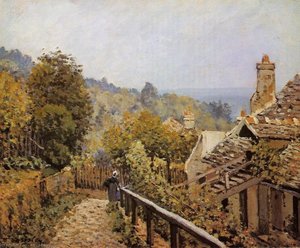
The Machine at Marly
 Oil On Canvas
- WallArt
- Impressionist Landscape
 1873
1873- 19th Century
 45.0 x 64.0 cm
Experience Alfred Sisley’s ‘The Machine at Marly,’ a serene Impressionist landscape capturing fleeting light and movement with soft brushstrokes. Admire this beautiful 1873 painting and discover more artwork to own.
 Leer más
Alfred Sisley (1839-1899): Maestro impresionista franco-británico de paisajes serenos y luz. Descubre escenas tranquilas del campo francés, ríos como el Támesis y paletas de colores delicadas.
Giclée / Impresión de arte
Impresiones giclée o en lienzo de calidad de museo con producción rápida y opciones de acabado flexibles. ( Encargar reproducción pintada a mano Ver versión en imagen digital)




P118B €10

P118H €10

P118W €10

P438Z €10

P508JH €12

P508YH €12

P805H €10

P805Z €10

P919BZ €10

P919G €10

P919XJ €10

P959ZH €10

P968JZ €12

W106C €8

W218G €10

W218JH €8

W218Y €10

W307PJ €10

W316G €10

W316PJ €8

W316Y €10

W398PJ €8

W4111J €10

W500HY €15

W500JH €15

W692G €12

W849H €8

W940BG €15

W953PJ €8




Estándar
personalizado
CM
INCH
Elija entre nuestros tamaños predefinidos que respetan las proporciones originales de la obra.
Loading sizes...

ancho
altura
Type the width and the height you need, to fit your frame or your wall. A print can only be cut, never made bigger than the picture, so a size with a different shape loses a part of the image. We send you a digital mockup to approve before we print anything. The picture shown on this page does not show the real cut — only the mockup does.
Envío a todo el mundo () en 2 semanas en lugar de las 4/5 semanas estándar. (15 octubre)

Envío exprés gratuito a todo el mundo

Lienzo de lino de alta calidad

Seguro de envío completo

Garantía de reembolso de impuestos aduaneros

Garantía de fidelidad cromática exacta

Política de devolución de 100 días (solo por defectos)

Garantía de devolución del 100% del dinero

Oferta por volumen
 La opción de vidrio solo está disponible en tamaños inferiores a 110 cm.

The Machine at Marly
Giclée / Impresión de arte
Tamaño de la reproducción
-


Precio total
€ 60
A Moment Frozen in Light: Alfred Sisley’s ‘The Machine at Marly’
Alfred Sisley's “The Machine at Marly,” painted in 1873, is more than just a depiction of a harbor scene; it’s an exquisite distillation of the Impressionist philosophy – a fleeting capture of light and atmosphere that resonates with a profound sense of tranquility. This oil on canvas work transports us to a serene moment along the Seine, offering a glimpse into the rural life that captivated artists like Sisley during this pivotal period in art history. The painting’s composition is deceptively simple: boats gently bobbing in the water, framed by the muted tones of buildings that suggest a distant town, and punctuated by the subtle presence of human figures engaged in everyday activities. Yet, within this apparent stillness lies a dynamic interplay of color and brushstroke, characteristic of Sisley's masterful technique.
Impressionist Technique: A Dance with Light
- Soft Brushstrokes: Sisley’s signature style is immediately recognizable through his use of feathery, broken brushstrokes. These aren’t meant to create a photographic representation but rather to evoke the *impression* of light and movement. Notice how he uses short, choppy strokes to depict the shimmering surface of the water and the hazy forms of the buildings in the background.
- Color as Emotion: The palette is dominated by muted greens, blues, and yellows – colors chosen not for their literal representation but for their ability to convey mood and atmosphere. The warm yellow tones of the buildings contrast beautifully with the cooler hues of the water, creating a harmonious balance that draws the eye across the canvas.
- Emphasis on Light: Sisley was obsessed with capturing the effects of light at different times of day. “The Machine at Marly” exemplifies this obsession, showcasing how sunlight transforms the landscape and imbues it with a sense of warmth and vitality.
Historical Context & Symbolism – The Machine’s Quiet Significance
Painted in 1873, "The Machine at Marly" reflects the burgeoning Impressionist movement's rejection of academic conventions and its embrace of contemporary subject matter. Sisley was part of a group of artists who sought to paint *en plein air* – outdoors – directly observing nature and capturing its fleeting beauty. The painting depicts the Barrage de la Machine de Marly, a hydraulic machine used for irrigation, adding an element of industrial activity to this otherwise idyllic scene. This juxtaposition subtly highlights the relationship between humanity and the natural world, a theme frequently explored by Sisley in his work. The presence of figures engaged in simple tasks – likely laborers or boatmen – further grounds the painting in its social context.
A Legacy of Tranquility: Sisley’s Enduring Appeal
"The Machine at Marly" is a testament to Alfred Sisley's ability to capture not just a visual scene, but also an emotional state. Its serene atmosphere and masterful technique have ensured its place as one of the most beloved works in the Impressionist canon. Reproductions of this painting offer a chance to bring this moment of quiet beauty into your own space, allowing you to experience the same sense of tranquility that captivated Sisley himself. This artwork is a perfect addition for those seeking a touch of understated elegance and a connection to the heart of the Impressionist movement.
Size:** 45 x 64 cm Date:** 1873Preguntas y respuestas
¿Cómo se combinan el medio y el movimiento en "The Machine at Marly"?
En "The Machine at Marly", la técnica de Oil On Canvas se encuentra con el movimiento Impressionist Landscape.
¿A qué etapa de la carrera de Alfred Sisley pertenece "The Machine at Marly"?
"The Machine at Marly" pertenece al Mature Impressionism de la trayectoria de Alfred Sisley. Esta clasificación vincula la obra con el desarrollo del artista.
¿Es "The Machine at Marly" de Alfred Sisley de dominio público?
La información sobre los derechos de autor de "The Machine at Marly" de Alfred Sisley: la obra es en el dominio público: sus derechos de autor han expirado. Esto determina si las reproducciones de la imagen pueden realizarse libremente.
Obras relacionadas


Biografía del artista
Alfred Sisley: Un Viaje a Través de la Luz y el Paisaje Impresionista
Primeros Años y Formación
- Nacido en París el 30 de octubre de 1839, Alfred Sisley era hijo de William Sisley, comerciante de seda, y Felicia Sell, una aficionada a la música.
- En 1857, a los 18 años, se trasladó a Londres para seguir una carrera en el mundo empresarial, pero pronto abandonó este camino.
- Regresó a París en 1861 y comenzó su formación artística en 1862 bajo la tutela del artista suizo Marc-Charles-Gabriel Gleyre en la École des Beaux-Arts.
- Fue allí donde entabló amistad con otros artistas como Frédéric Bazille, Claude Monet y Pierre-Auguste Renoir, formando relaciones cruciales que moldearían su trayectoria artística.
Desarrollo Artístico y Estilo
- Sisley se dedicó a la pintura de paisajes en plein air – al aire libre, observando directamente la naturaleza.
- Sus primeras obras fueron inicialmente rechazadas por el jurado del Salón, pero perseveró, impulsado por su pasión por capturar momentos fugaces de luz y atmósfera.
- Se centró consistentemente en la pintura de paisajes a lo largo de su carrera, a diferencia de algunos impresionistas que exploraron otros géneros.
- El estilo de Sisley se caracteriza por la tranquilidad, paletas de colores delicadas – a menudo tonos pálidos de verde, rosa, púrpura, azul polvoriento y crema – y una sutil representación de los efectos de la luz.
Temas Clave y Obras Destacadas
- Los paisajes fluviales fueron un tema recurrente en la obra de Sisley. Creó una serie de pinturas del río Támesis durante un viaje a Inglaterra en 1874, produciendo casi veinte obras cerca de Molesey.
- Representó con frecuencia escenas alrededor de Moret-sur-Loing, donde vivió durante muchos años, capturando sus canales, puentes y la campiña circundante.
- Obras notables incluyen “Molino de agua cerca de Moret”, “Bargas en el Canal de Loing, Primavera”, “Campos alrededor del Bosque” y “El pueblo de Sablons”.
- Su poder de expresión e intensidad cromática aumentaron con el tiempo, dando lugar a paisajes cada vez más sofisticados.
Influencias y Legado
- Sisley fue influenciado por la formación académica de Gleyre y por la camaradería que encontró con Monet, Renoir y Bazille.
- Compartió una visión artística similar con otros impresionistas, centrándose en capturar las cualidades efímeras de la luz y la atmósfera.
- Aunque menos exitoso comercialmente durante su vida que algunos de sus contemporáneos, la obra de Sisley es ahora muy apreciada por su belleza, sensibilidad y dedicación a representar la naturaleza.
- Influyó en generaciones posteriores de pintores paisajistas con su enfoque sutil del color y la luz.
Vida Posterior y Significado Histórico
- Sisley solicitó la ciudadanía francesa en 1897, pero se le negó, una fuente de decepción personal.
- Falleció el 29 de enero de 1899 a los 59 años en Moret-sur-Loing.
- Si bien sus obras de estudiante se han perdido, sus paisajes maduros continúan siendo celebrados como ejemplos primorosos de la pintura paisajística impresionista.
- El compromiso inquebrantable de Sisley con capturar la belleza de la naturaleza y su técnica refinada consolidan su lugar como una figura significativa en la historia del arte.

Alfred Sisley
1839 - 1899 , Francia
Datos clave
- Artistas Que Influyeron:
- Marc-Charles-Gabriel Gleyre
- Claude Monet
- Pierre-Auguste Renoir
- Estilo Artístico: Impresionismo
- Fecha De Muerte: 29 de enero de 1899
- Fecha De Nacimiento: 30 de octubre de 1839
- Influencia En Artistas: Pintores paisajistas posteriores
- Lugar De Nacimiento: París, Francia
- Nacionalidad: Británico-francés
- Nombre Completo: Alfred Sisley
- Obras Notables:
- Molino cerca de Moret
- Barges en el Loing
- Campos alrededor del bosque
- El pueblo de Sablons
Artículos relacionados

TopImpressionists.com F.A.Q.: Discover the Vibrant Beauty of Our Premium Art Poster Prints
Explore the technical excellence of TopImpressionists.com's premium art poster prints. Discover how our 12-color pigment system and archival inks capture the luminous beauty of Impressionist masterpieces with unmatched color fidelity and museum-grade durability for the discerning collector.

The Magic of Lithography: Capturing Light and Texture in Every Impressionist Print
Discover the enchanting world of lithography through an Impressionist lens. Explore how this timeless technique captures the luminous light and delicate textures of masters like Monet and Renoir, offering a profound way to bring art history into your home with elegance and soul.

The Magic of Giclée: Bringing Impressionist Masterpieces to Your Walls with Vivid Detail
Discover the breathtaking beauty of Impressionist masterpieces with our museum-quality Giclée prints. Experience vivid detail, archival pigments, and the luminous light of Monet and Van Gogh, expertly preserved to bring timeless elegance and sophisticated artistry into your home.
Explore obras de arte organizadas por temas, estilos y características.