


 Vista previa
 Compartir
 Compartir
 Ver detalles
 Guía
Guía

 Descargar
 Ver artículos similares
 Radiografía
 Presentación de diapositivas
 Estadísticas
Max Jacob (1876-1944)
 Óleo sobre lienzo
- Arte de pared
- Cubist Influences
 1917
1917- Plena Edad Media
 92.0 x 60.0 cm
Un retrato melancólico de Max Jacob por Amedeo Modigliani, influenciado por el cubismo y la escultura africana. Una obra maestra que captura la esencia del poeta francés en 1917.
 Leer más
Explore la cautivadora obra de Amedeo Modigliani (1884-1920), un maestro de la pintura de retratos y escultura. Descubre sus formas alargadas características, estilo expresionista y su impacto duradero en el arte moderno. #Modigliani #Expresionismo #HistoriaDelArte
Giclée / Impresión de arte
Impresiones giclée o en lienzo de calidad de museo con producción rápida y opciones de acabado flexibles. ( Encargar reproducción pintada a mano Ver versión en imagen digital)




P118B €10

P118H €10

P118W €10

P438Z €10

P508JH €12

P508YH €12

P805H €10

P805Z €10

P919BZ €10

P919G €10

P919XJ €10

P959ZH €10

P968JZ €12

W106C €8

W218G €10

W218JH €8

W218Y €10

W307PJ €10

W316G €10

W316PJ €8

W316Y €10

W398PJ €8

W4111J €10

W500HY €15

W500JH €15

W692G €12

W849H €8

W940BG €15

W953PJ €8




Estándar
personalizado
CM
INCH
Elija entre nuestros tamaños predefinidos que respetan las proporciones originales de la obra.
Loading sizes...

ancho
altura
Introduzca el ancho y el alto que necesite para adaptarse a su marco o pared. Una impresión solo puede recortarse, nunca hacerse más grande que la imagen original, por lo que un tamaño con una forma distinta perderá parte de la obra. Le enviaremos una maqueta digital para su aprobación antes de realizar cualquier impresión. La imagen que se muestra en esta página no refleja el recorte real; solo la maqueta lo hace.
Envío a todo el mundo () en 2 semanas en lugar de las 4/5 semanas estándar. (23 octubre)

Envío exprés gratuito a todo el mundo

Lienzo de lino de alta calidad

Seguro de envío completo

Garantía de reembolso de impuestos aduaneros

Garantía de fidelidad cromática exacta

Política de devolución de 100 días (solo por defectos)

Garantía de devolución del 100% del dinero

Oferta por volumen
 La opción de vidrio solo está disponible en tamaños inferiores a 110 cm.

Max Jacob (1876-1944)
Giclée / Impresión de arte
Tamaño de la reproducción
-


Precio total
€ 61
La Profundidad del Silencio: Un Retrato de Max Jacob por Amedeo Modigliani
The portrait of Max Jacob, painted by Amedeo Modigliani in 1917, isn’t merely a likeness; it's an exquisitely rendered distillation of the artist’s signature style and a poignant reflection on the complexities of human experience. This intimate depiction of the French poet captures not just his physical form but also a palpable sense of introspection, a quiet melancholy that resonates deeply with viewers even today. The painting immediately draws us in with its muted palette – predominantly blues, browns, and subtle pinks – creating an atmosphere of subdued elegance. The dark clothing against the lighter skin tones establishes a striking contrast, emphasizing Jacob’s presence while simultaneously hinting at a certain isolation.
- Composition y Forma: The frontal pose, a hallmark of Modigliani's work, fosters an immediate connection with the subject. His head and shoulders dominate the frame, inviting us into his world, while the minimal background serves to heighten our focus on Jacob’s face – a carefully constructed study in elongated features and angular lines.
- Influencias Artísticas: We can discern echoes of several artistic movements within this piece. The influence of Paul Cézanne is evident in the soft, atmospheric backgrounds, reminiscent of landscapes bathed in diffused light. Simultaneously, the rigid poses and stylized facial characteristics clearly owe a debt to Pablo Picasso’s Cubist explorations, particularly his fragmented approach to form. Furthermore, the powerful impact of African sculpture – with its emphasis on geometric shapes and exaggerated angles – is undeniable, contributing to the portrait's unique and arresting aesthetic.
La Técnica del Plano y la Línea: Un Lenguaje Visual Distintivo
Modigliani’s technique in this portrait is remarkably deliberate. He eschews meticulous detail in favor of broad strokes that define planes of color rather than rendering surfaces with precision. This flattening of space, a key characteristic of his style, creates an almost two-dimensional effect, lending the image a sense of immediacy and timelessness. The strong, defined lines – particularly around the nose and eyebrows – are not simply delineating features; they’re actively shaping them, contributing to the portrait's stylized and somewhat unsettling beauty. The deliberate use of outlines emphasizes the geometric forms that dominate the composition, reinforcing the Cubist influence.
- La Importancia de la Línea: The lines aren’t used to create realistic shading; instead, they serve as structural elements, defining the contours of the face and body with a bold, assertive quality.
- Textura y Superficie: The surface appears remarkably smooth, suggesting a careful application of paint – a deliberate choice that further enhances the portrait’s sense of stillness and contemplation.
Más Allá de la Imagen: Simbolismo y Contexto Histórico
Beyond its formal elements, the portrait is laden with symbolic weight. The elongated neck and facial features, so characteristic of Modigliani's style, are often interpreted as expressions of melancholy or introspection – a reflection perhaps of his own personal struggles and the pervasive sense of disillusionment that characterized early 20th-century Europe. The formal attire suggests Jacob’s intellectual standing and social position, while simultaneously hinting at a certain detachment from the world around him. Painted during a period of significant artistic experimentation and social upheaval, this portrait captures not just a likeness but also a moment in time – a glimpse into the vibrant, yet often turbulent, cultural landscape of Paris.
Historical Context:** The painting was created in 1917, a year marked by the outbreak of World War I. This context undoubtedly informs the melancholic mood of the portrait and adds another layer of complexity to its interpretation.Un Legado de Belleza Melancólica: Un Reproducción para el Arte y el Interiores
A reproduction of Modigliani’s Portrait of Max Jacob offers a unique opportunity to bring this captivating artwork into your home or office. TopImpressionists.com provides meticulously crafted hand-painted reproductions that faithfully capture the nuances of the original, ensuring that you experience the full emotional impact and artistic brilliance of this iconic piece. Whether you are an art enthusiast, a collector seeking to expand your collection, or simply someone looking for a striking addition to your interior décor, this reproduction is sure to be a conversation starter – a testament to Modigliani’s enduring legacy and his profound ability to capture the essence of human emotion.
Preguntas y respuestas
¿Dónde puedo ver una vista previa de "Max Jacob (1876-1944)"?
Puedes ver una vista previa de "Max Jacob (1876-1944)" de Amedeo Modigliani en la página de Vista previa de la obra.
¿Es "Max Jacob (1876-1944)" de Amedeo Modigliani una obra de tonos claros u oscuros?
"Max Jacob (1876-1944)" de Amedeo Modigliani presenta un nivel de brillo de sombra profunda, con una luminancia de Oscuro.
¿Qué nivel de luminancia tiene "Max Jacob (1876-1944)" de Amedeo Modigliani?
Los colores de "Max Jacob (1876-1944)" muestran una luminancia de Oscuro.
Biografía del artista
vida temprana y antecedentes
Amadeo Clemente Modigliani, un pintor y escultor italiano judío, nació el 12 de julio de 1884 en Livorno, Italia. Su familia, de ascendencia judía sefardí, tuvo una importante presencia en la región mediterránea. La vida temprana de Modigliani estuvo marcada por frecuentes enfermedades, incluyendo pleuresía y fiebre tifoidea, lo que influiría posteriormente en su estilo artístico.trayectoria artística
- Amadeo Clemente Modigliani comenzó su trayectoria artística en Italia, donde estudió el arte de la antigüedad y el Renacimiento.
- En 1906, se mudó a París, entrando en contacto con artistas destacados como Pablo Picasso y Constantin Brancusi.
- La obra de Modigliani incluye pinturas y dibujos, centrándose en retratos y figuras completas de humanos, tanto en imágenes como en esculturas.
obras notables y estilo
- Nudo busto (35 x 26 cm, expresionismo, óleo sobre lienzo), un ejemplo primario del estilo único de Modigliani.
- Nudo recostado con cabello suelto (osaka city museum of modern art, Japón, expresionismo, óleo sobre lienzo), que muestra su dominio de la forma humana.
- Nudo femenino sentado (92 x 60 cm, expresionismo, óleo sobre lienzo), un testimonio de su capacidad para capturar la esencia de la feminidad.
influencia y legado
A pesar de enfrentar poco éxito durante su vida, las obras de Modigliani alcanzaron una mayor popularidad después de su muerte, con sus piezas vendidas por precios elevados. Su influencia se puede ver en varios movimientos artísticos, incluyendo el expresionismo y el modernismo.- Consulta los 5 artistas más famosos del expresionismo para saber más sobre este movimiento.
- Explora la extensa colección de Amadeo Clemente Modigliani en TopImpressionists, que cuenta con más de 240 obras de arte.
- Descubre la historia del arte y su importancia en el mundo del arte.
museos y colecciones de arte
Museo de Arte Moderno de la Ciudad de Osaka, Japón, que alberga algunas de las obras notables de Modigliani, es una institución importante para los entusiastas del arte. La colección del museo exhibe una amplia gama de estilos artísticos, incluyendo el expresionismo y el modernismo.conclusión
El estilo enigmático de Amadeo Clemente Modigliani, caracterizado por la elongación de rostros y figuras, ha dejado una huella imborrable en el mundo del arte. Su legado continúa inspirando a artistas y entusiastas del arte por igual, convirtiéndolo en una **figura querida en la historia del arte**.
Amedeo Modigliani
1884 - 1920 , Italia
Datos clave
- Artistas Influenciados Por:
- Expresionismo
- Modernismo
- Artistas Que Influyeron:
- Paul Cézanne
- Constantin Brâncuși
- Fecha De Nacimiento: 12 de julio de 1884
- Lugar De Nacimiento: Livorno, Italia
- Movimiento Artístico: Expresionismo
- Nacionalidad: Italiana
- Nombre Completo: Amedeo Clemente Modigliani
- Obras Notables:
- Nudo busto
- Nudo recostado
- Mujer sentada
- Pierrot
Artículos relacionados

Amedeo Modigliani: Las 25 Obras Maestras del Alma y la Forma | TopImpressionists
Descubre las 25 obras maestras de Amedeo Modigliani, el artista italiano del expresionismo. Retratos icónicos, esculturas conmovedoras y lienzos llenos de melancolía. Encuentra reproducciones de arte exclusivas y decoración para tu hogar en TopImpressionists.com.

Esculturas de Bronce Legendarias: 10 Obras Maestras que Transformaron el Arte | TopImpressionists
Descubre las 10 esculturas de bronce más legendarias que revolucionaron el arte. Explora la historia de Rodin, Degas y otros maestros del bronce. Encuentra reproducciones de alta calidad e inspiración para tu hogar en TopImpressionists.com.

The Enduring Form: Exploring Themes & Techniques in Sculpture Across Historical Periods
Explore the rich history of sculpture from ancient masterpieces to contemporary innovations. Discover key techniques, influential artists & investment potential for discerning art collectors.

Las 10 Obras Maestras de Bronce que Revolucionaron la Historia del Arte | TopImpressionists
Descubre las 10 esculturas de bronce más influyentes de la historia del arte. Explora obras maestras de Rodin, Degas y otros genios. Encuentra reproducciones de arte de calidad museo en TopImpressionists.com.
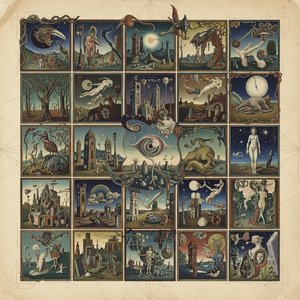
Max Ernst: Las 25 Obras Maestras del Surrealismo para Decorar tu Hogar con Arte
Descubre las 25 obras maestras de Max Ernst, el rey del surrealismo. Explora su arte onírico, técnicas innovadoras y simbolismo profundo. Reproducciones de alta calidad para decorar tu hogar con estilo en TopImpressionists.com
Explore obras de arte organizadas por temas, estilos y características.


