Ver en contexto
 Enviar
 Compartir
 Detalles
 Guía
Guía

 Descargar
 Similares
 Radiografía
 Presentación de diapositivas
 Preguntas y respuestas
 Estadísticas
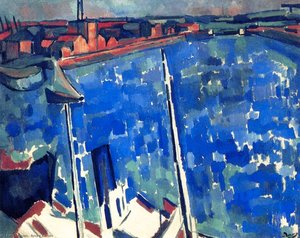
Boats at Collioure


Vibrant blue water scene with boats by André Derain's 1905 work, capturing the colorful spirit of early modern art; discover this masterpiece today.
 Ver más
Descubre a André Derain (1880-1954), cofundador del Fauvismo, famoso por sus audaces colores y composiciones expresivas. ¡Explora sus obras maestras!
Giclée / Impresión de arte
Impresiones giclée o en lienzo de calidad de museo con producción rápida y opciones de acabado flexibles. ( Comprar pintura hecha a mano Cambiar a imagen digital)




P118B €10

P118H €10

P118W €10

P438Z €10

P508JH €12

P508YH €12

P805H €10

P805Z €10

P919BZ €10

P919G €10

P919XJ €10

P959ZH €10

P968JZ €12

W106C €8

W218G €10

W218JH €8

W218Y €10

W307PJ €10

W316G €10

W316PJ €8

W316Y €10

W398PJ €8

W4111J €10

W500HY €15

W500JH €15

W692G €12

W849H €8

W940BG €15

W953PJ €8




Tamaño estándar
a medida
CM
INCH
Elija entre nuestros tamaños predefinidos que respetan las proporciones originales de la obra.
Loading sizes...

ancho
altura
Introduzca el ancho y el alto que necesite para adaptarse a su marco o pared. Una impresión solo puede recortarse, nunca hacerse más grande que la imagen original, por lo que un tamaño con una forma distinta perderá parte de la obra. Le enviaremos una maqueta digital para su aprobación antes de realizar cualquier impresión. La imagen que se muestra en esta página no refleja el recorte real; solo la maqueta lo hace.
Envío a todo el mundo () en 2 semanas en lugar de las 4/5 semanas estándar. (4 noviembre)

Envío exprés gratuito a todo el mundo

Lienzo de lino de alta calidad

Seguro de envío total

Garantía de reembolso de aranceles aduaneros

Garantía de fidelidad cromática exacta

Política de devolución de 100 días (solo por defectos)

Garantía de devolución del 100% del dinero

Descuento por cantidad
 La opción de vidrio solo está disponible en tamaños inferiores a 110 cm.

Boats at Collioure
Giclée / Impresión de arte
Dimensiones de la reproducción
-


Precio total final
€ 62
A Mediterranean Dream in Blue Tones
Gazing upon André Derain's "Boats at Collioure," one is immediately transported to the sun-drenched shores of the French Riviera. This painting captures more than just a seascape; it encapsulates a moment of profound, languid peace. The composition is dominated by the mesmerizing expanse of blue water, a liquid canvas reflecting both the sky and the gentle activity upon its surface. In the foreground, the presence of several vessels anchors the scene, drawing the eye across the rhythmic placement of sails and hulls. There are two principal boats commanding attention—one small craft with its sail catching an unseen breeze, suggesting imminent departure or leisurely drift, and another larger form situated further back, adding depth to the pictorial space. Scattered among them are smaller tenders, dotted like jewels upon the deep blue tapestry.
The Brushwork of Fauvist Light
Derain’s technique here is a masterful display of post-Impressionist vibrancy filtered through the nascent energy of Fauvism. While the subject matter—a simple coastal scene—might suggest quietude, the application of paint speaks of vibrant, almost joyous abandon. The colors are not merely descriptive; they are emotional. Notice how the blues interact with the warmer tones suggested in the distant shore or the figures themselves. Derain uses color as a structural element, allowing light to fracture and refract across the water's surface. This bold use of pigment gives the scene an immediate, palpable luminosity, making the viewer feel the warmth of the Mediterranean sun even from afar.
Context and the Spirit of Place
Painted in 1905, this work places us at a pivotal moment in art history—a time when established academic traditions were being vigorously challenged by revolutionary colorists. Derain, deeply connected to the vibrant artistic circles of early modern Paris, channeled the raw energy of his surroundings into this piece. Collioure itself, with its intense light and deep blue waters, provided the perfect muse for an artist eager to break free from muted palettes. The inclusion of figures—one on the left, another on the right—are not just incidental details; they are witnesses to the scene, grounding the viewer within a shared, observed moment of coastal life.
Symbolism of Passage and Leisure
The boats themselves carry rich symbolism. They represent journeys, both literal passages across the water and metaphorical voyages through life's experiences. The interplay between the stationary elements—the distant shore or the anchored vessels—and the implied movement of the sails suggests a beautiful tension: the comfort of being present versus the irresistible call of adventure. For the collector or decorator, this painting offers more than just decoration; it offers an emotional anchor—a visual escape to a place where time slows down and the only concern is the gentle rocking rhythm of the tide.
Bringing Riviera Vibrancy Home
To reproduce "Boats at Collioure" in your own space is to invite a breath of Mediterranean air into your home. Whether displayed above a sofa, nestled in an entryway, or used as a focal point in a gallery setting, the painting’s inherent vibrancy will elevate any interior design scheme. Its bold yet harmonious color palette ensures it complements both minimalist modern aesthetics and richly decorated traditional rooms alike. It is a piece that speaks of freedom, light, and the enduring allure of the sea.
Preguntas y respuestas
¿Cómo se construye la composición cromática de "Boats at Collioure" de André Derain?
La composición cromática de "Boats at Collioure" de André Derain combina un contraste Bold con una armonía Balanced Harmony.
¿Qué tan armoniosa es la combinación de colores en "Boats at Collioure"?
Los colores de "Boats at Collioure" de André Derain presentan una armonía Balanced Harmony. La armonía describe la relación entre los colores.
¿Los colores de "Boats at Collioure" de André Derain son intensos o tenues?
Los colores de "Boats at Collioure" de André Derain presentan una saturación Vivid Color con una intensidad Vivid.


Biografía del artista
Primeros Años y Formación
- Nacimiento y Familia: André Derain nació el 10 de junio de 1880 en Chatou, Yvelines, Île-de-France, justo fuera de París.
- Estudio Independiente: Contrariamente a algunas cuentas, Derain comenzó a pintar independientemente en 1895, antes de conocer a Vlaminck o Matisse. Ocasionalmente iba al campo con Father Jacomin y sus hijos.
- Educación Formal: En 1898, estudió ingeniería en la Académie Camillo, donde conoció a Matisse y posteriormente asistió a clases de pintura bajo Eugène Carrière.
- Abandono de la Ingeniería: Tras el servicio militar (1901-1904), Derain fue persuadido por Matisse para abandonar su carrera de ingeniería y dedicarse a la pintura. Luego asistió a la Académie Julian.
Fauvismo y Desarrollo Artístico Temprano
- Colaboración con Matisse: Derain colaboró estrechamente con Henri Matisse, particularmente durante el verano de 1905 en Collioure, lo que resultó en obras como "Montañas en Collioure".
- Salón d'Automne (1905): Su exposición en el Salon d'Automne marcó un momento crucial, llevando al crítico Louis Vauxcelles a acuñar el término "Fauves" ("bestias salvajes") debido a su audaz y poco convencional uso del color.
- Pinturas de Londres: En 1906, Derain fue enviado a Londres por Ambroise Vollard, produciendo una serie de pinturas que representaban la ciudad de una manera nueva y sorprendente, centrándose en el Támesis y el Tower Bridge. Estas obras se consideran entre sus más significativas.
- Influencias y Estilo: El trabajo Fauvista temprano se caracteriza por colores intensos y no naturalistas y pinceladas expresivas. Derain fue influenciado por artistas como Van Gogh y Cézanne.
Evolución del Estilo y Obras Posteriores
- Transición hacia el Clasicismo: Después de 1907, el estilo de Derain comenzó a evolucionar, alejándose de la paleta puramente fauvista hacia tonos más apagados y una mayor énfasis en la forma. Este período (1911-1914) a veces se conoce como su "fase gótica".
- Influencia del Cubismo y los Maestros Antiguos: El trabajo de Derain durante este tiempo reflejó su estudio de los Maestros Antiguos, incorporando elementos del Cubismo y un renovado interés en las formas clásicas.
- Diseño de Ballet: En 1919, diseñó el ballet "La Boutique Fantasque" para Diaghilev, demostrando su versatilidad como artista.
- Obras Notables: Las obras clave de este período incluyen "Arlequín y Pierrot", "El Retorno de Ulises" (un gran mural) y varios paisajes y bodegones que muestran su estilo en evolución.
Legado y Significado Histórico
- Co-fundador del Fauvismo: Derain es reconocido como una figura clave en el desarrollo del Fauvismo, junto con Matisse, contribuyendo significativamente al movimiento artístico moderno de principios del siglo XX.
- Visión Única de Londres: Su serie de pinturas que representan Londres ofreció una perspectiva fresca y distintiva de la ciudad, apartándose de las representaciones artísticas anteriores.
- Reconocimiento en el Período de Posguerra: Después de la Primera Guerra Mundial, Derain ganó un nuevo reconocimiento por sus contribuciones a un clasicismo renovado en el arte.
- Años Posteriores y Controversia: A pesar de ganar el Premio Carnegie en 1928, Derain enfrentó controversias durante la Segunda Guerra Mundial debido a su presencia en Alemania y posteriormente fue marginado por algunos de sus antiguos seguidores.
- Muerte y Recuerdos: André Derain murió el 8 de septiembre de 1954. Su trabajo continúa siendo celebrado por sus colores audaces, composiciones expresivas y significativa contribución a la historia del arte moderno.

André Derain
1880 - 1954 , Francia
Datos clave
- Artistas Que Influyeron:
- Henri Matisse
- Pablo Picasso
- Eugène Carrière
- Van Gogh
- Cézanne
- Fecha De Fallecimiento: 8 de septiembre de 1954
- Fecha De Nacimiento: 10 de junio de 1880
- Lugar De Nacimiento: Chatou, Francia
- Movimiento Artístico: Fauvismo
- Nacionalidad: Francés
- Nombre Completo: André Derain
- Obras Notables:
- Harlequin y Pierrot
- Pinturas de Londres
- Bailarina fantástica
- El retorno de Ulises
Artículos relacionados

Las 10 Obras Maestras del Azul Pizarra: Arte, Historia y Decoración
Descubre las 10 pinturas más famosas dominadas por el azul pizarra. Explora la historia, técnica y belleza de Monet, Van Gogh y otros maestros. Encuentra reproducciones de arte exclusivas para decorar tu hogar en .

Barcos en el Arte: 10 Obras Maestras para Inspirar tu Decoración
Descubre 10 obras maestras que capturan la belleza y el simbolismo de los barcos. Desde Monet hasta Van Gogh, explora la historia del arte marítimo e inspira tu decoración con reproducciones de museo en TopImpressionists.com.
Fauvismo: 10 Obras Maestras que Revolucionaron la Pintura |
Descubre las 10 obras maestras del Fauvismo con Matisse, Derain y Vlaminck. Explora la historia, el color y la audacia de este movimiento artístico revolucionario. Reproducciones de arte exclusivas en .

Paisajes Románticos: 10 Obras Maestras que Definieron un Movimiento Artístico
Descubre los 10 paisajes románticos más influyentes de artistas como Caspar David Friedrich y Turner. Explora la belleza, el simbolismo y las técnicas del movimiento romántico. Reproducciones de arte exclusivas en TopImpressionists.com.

Las 25 mejores obras de John Constable: Un viaje al corazón del paisaje inglés
Descubre las 25 obras maestras de John Constable y su alma romántica. Explora la colección completa en TopImpressionists.com.
Explore obras de arte organizadas por temas, estilos y características.