


 Vista previa
 Compartir
 Compartir
 Ver detalles
 Guía
Guía

 Descargar
 Ver artículos similares
 Radiografía
 Presentación de diapositivas
 Estadísticas
Madame Van Leer
 Oil On Panel
- Fauvism
 1929
1929 50.0 x 36.0 cm
 Fitzwilliam College
Admire André Derain's 'Madame Van Leer,' a captivating 1929 oil painting of a striking woman, showcasing Fauvist color and artistic brilliance. A timeless masterpiece by a celebrated French artist.
 Leer más
Descubre a André Derain (1880-1954), cofundador del Fauvismo, famoso por sus audaces colores y composiciones expresivas. ¡Explora sus obras maestras!
Reproducción al óleo hecha a mano
Óleo sobre lienzo pintado a mano en el tamaño y marco de su elección, realizado por encargo por nuestros artistas. ( Cambiar a formato impreso Ver versión en imagen digital)




P118B €10

P118H €10

P118W €10

P438Z €10

P508JH €12

P508YH €12

P805H €10

P805Z €10

P919BZ €10

P919G €10

P919XJ €10

P959ZH €10

P968JZ €12

W106C €8

W218G €10

W218JH €8

W218Y €10

W307PJ €10

W316G €10

W316PJ €8

W316Y €10

W398PJ €8

W4111J €10

W500HY €15

W500JH €15

W692G €12

W849H €8

W940BG €15

W953PJ €8




Estándar
personalizado
CM
INCH
Elija entre nuestros tamaños predefinidos que respetan las proporciones originales de la obra.
Loading sizes...

ancho
altura
Escriba el ancho y el alto que necesite para adaptarse a su marco o a su pared. Al ser una obra pintada a mano, para un tamaño con una forma distinta, el artista puede pintar un poco más alrededor de la imagen o recortar un poco; usted elige. Le enviaremos una maqueta digital para su aprobación antes de comenzar la pintura. La imagen que se muestra en esta página no refleja el resultado real; solo la maqueta lo hace.
Ejemplos de lo que se puede personalizar: Reemplace el rostro con una foto del cliente; Agregue una mascota (por ejemplo, cambie un gato por un perro); Incluya un mensaje oculto en el fondo; Cambie el paisaje o los elementos del fondo.
Tras realizar el pedido, el equipo de TopImpressionists.com enviará un correo electrónico al cliente para solicitar instrucciones y proporcionarle una vista previa del boceto.
Tras realizar el pedido, el equipo de TopImpressionists.com enviará un correo electrónico al cliente para solicitar instrucciones y proporcionarle una vista previa del boceto.
Envío a todo el mundo () en 3-4 semanas en lugar de las 5 semanas estándar. (23 octubre). Sin comprometer la calidad.

Envío exprés gratuito a todo el mundo

Lienzo de lino de alta calidad

Seguro de envío completo

Garantía de reembolso de impuestos aduaneros

Garantía de fidelidad cromática exacta

Política de devolución de 100 días (solo por defectos)

Garantía de devolución del 100% del dinero

Oferta por volumen
 La opción de vidrio solo está disponible en tamaños inferiores a 110 cm.

Madame Van Leer
Técnica de reproducción
Tamaño de la reproducción
-


Precio total
€ 236
André Derain’s “Madame Van Leer”: A Fauvist Portrait of Parisian Elegance
André Derain's "Madame Van Leer," painted in 1929, is more than just a portrait; it’s a vibrant distillation of the Fauvist movement and a captivating glimpse into the social life of early 20th-century Paris. This oil on panel work, currently residing at the Fitzwilliam Museum in Cambridge, immediately assaults the senses with its audacious color palette – a deliberate rejection of academic realism in favor of emotional expression. Derain, a key figure alongside Matisse in establishing Fauvism, wasn’t interested in faithfully representing his subject; instead, he sought to capture her essence through intense hues and dynamic brushstrokes.
The painting depicts Madame Van Leer, a woman of considerable social standing, seated with an air of quiet confidence. Her red dress, rendered in fiery oranges and deep crimsons, dominates the composition, drawing the eye immediately. This bold color choice isn’t merely decorative; it speaks to the energy and vibrancy that characterized the Fauvist period. Derain employed a technique known as “divisionism,” breaking down colors into small, distinct strokes – a method he had initially adopted from Seurat but pushed to its most expressive limits. Notice how the red is not blended smoothly, but rather layered with yellows, blues, and greens, creating an almost shimmering effect that seems to pulsate with life.
A Window into Parisian Society
Understanding “Madame Van Leer” requires a brief context of 1920s Paris. The city was undergoing rapid social and artistic transformation following the devastation of World War I. Artists, eager to break free from the constraints of traditional art, flocked to Montmartre, seeking inspiration in the bohemian atmosphere and experimenting with new forms of expression. Derain’s work reflects this spirit of innovation and a fascination with the changing face of Parisian society. The subject herself, Madame Van Leer, was a prominent figure in artistic circles, known for her patronage of the arts and her sophisticated social life.
The painting offers a subtle commentary on the role of women in that era. While outwardly composed and elegant, there’s an underlying sense of introspection in Madame Van Leer's gaze. She isn’t simply posing for the portrait; she seems to be contemplating something beyond the immediate scene. This ambiguity adds another layer of complexity to the work, inviting viewers to project their own interpretations onto the image.
The Language of Color and Form
Beyond its social context, “Madame Van Leer” is a masterclass in Fauvist technique. Derain’s use of color isn't arbitrary; it’s deeply symbolic. The vibrant reds evoke passion and energy, while the cooler blues and greens suggest tranquility and introspection. He deliberately distorted forms to heighten their emotional impact, prioritizing visual sensation over realistic representation. The simplified shapes and flattened perspective contribute to a sense of immediacy and directness – as if we are witnessing a fleeting moment captured in paint.
Furthermore, Derain’s brushwork is remarkably expressive. The thick, visible strokes create a tactile quality that invites the viewer to engage with the painting on a physical level. The layering of colors and the dynamic application of paint contribute to the overall sense of movement and vitality. It's important to note that after 1910, Derain moved away from the most extreme Fauvist palette, incorporating influences from Cézanne and the Old Masters, but “Madame Van Leer” remains a powerful example of his early experimentation with color and form.
A Timeless Portrait of Parisian Spirit
“Madame Van Leer” is more than just a beautiful painting; it’s a testament to the transformative power of art. It captures not only the likeness of a woman but also the spirit of an era – a time of innovation, experimentation, and social change. The bold colors, expressive brushwork, and subtle symbolism combine to create a work that continues to resonate with viewers today. Reproductions of this iconic painting offer a chance to bring a touch of Parisian elegance and Fauvist vibrancy into any space, serving as a reminder of the enduring legacy of André Derain’s artistic vision.
Preguntas y respuestas
¿Cuándo y con qué materiales se realizó "Madame Van Leer"?
"Madame Van Leer" fue realizada en 1929, en Oil On Panel.
¿Dónde puedo encontrar una guía de "Madame Van Leer"?
Una página de Guía está disponible para "Madame Van Leer" de André Derain: una ficha imprimible sobre la obra, diseñada para estudiantes y uso en el aula.
¿Quién creó "Madame Van Leer"?
El artista detrás de "Madame Van Leer" es André Derain. La obra está catalogada bajo el nombre de André Derain.


Biografía del artista
Primeros Años y Formación
- Nacimiento y Familia: André Derain nació el 10 de junio de 1880 en Chatou, Yvelines, Île-de-France, justo fuera de París.
- Estudio Independiente: Contrariamente a algunas cuentas, Derain comenzó a pintar independientemente en 1895, antes de conocer a Vlaminck o Matisse. Ocasionalmente iba al campo con Father Jacomin y sus hijos.
- Educación Formal: En 1898, estudió ingeniería en la Académie Camillo, donde conoció a Matisse y posteriormente asistió a clases de pintura bajo Eugène Carrière.
- Abandono de la Ingeniería: Tras el servicio militar (1901-1904), Derain fue persuadido por Matisse para abandonar su carrera de ingeniería y dedicarse a la pintura. Luego asistió a la Académie Julian.
Fauvismo y Desarrollo Artístico Temprano
- Colaboración con Matisse: Derain colaboró estrechamente con Henri Matisse, particularmente durante el verano de 1905 en Collioure, lo que resultó en obras como "Montañas en Collioure".
- Salón d'Automne (1905): Su exposición en el Salon d'Automne marcó un momento crucial, llevando al crítico Louis Vauxcelles a acuñar el término "Fauves" ("bestias salvajes") debido a su audaz y poco convencional uso del color.
- Pinturas de Londres: En 1906, Derain fue enviado a Londres por Ambroise Vollard, produciendo una serie de pinturas que representaban la ciudad de una manera nueva y sorprendente, centrándose en el Támesis y el Tower Bridge. Estas obras se consideran entre sus más significativas.
- Influencias y Estilo: El trabajo Fauvista temprano se caracteriza por colores intensos y no naturalistas y pinceladas expresivas. Derain fue influenciado por artistas como Van Gogh y Cézanne.
Evolución del Estilo y Obras Posteriores
- Transición hacia el Clasicismo: Después de 1907, el estilo de Derain comenzó a evolucionar, alejándose de la paleta puramente fauvista hacia tonos más apagados y una mayor énfasis en la forma. Este período (1911-1914) a veces se conoce como su "fase gótica".
- Influencia del Cubismo y los Maestros Antiguos: El trabajo de Derain durante este tiempo reflejó su estudio de los Maestros Antiguos, incorporando elementos del Cubismo y un renovado interés en las formas clásicas.
- Diseño de Ballet: En 1919, diseñó el ballet "La Boutique Fantasque" para Diaghilev, demostrando su versatilidad como artista.
- Obras Notables: Las obras clave de este período incluyen "Arlequín y Pierrot", "El Retorno de Ulises" (un gran mural) y varios paisajes y bodegones que muestran su estilo en evolución.
Legado y Significado Histórico
- Co-fundador del Fauvismo: Derain es reconocido como una figura clave en el desarrollo del Fauvismo, junto con Matisse, contribuyendo significativamente al movimiento artístico moderno de principios del siglo XX.
- Visión Única de Londres: Su serie de pinturas que representan Londres ofreció una perspectiva fresca y distintiva de la ciudad, apartándose de las representaciones artísticas anteriores.
- Reconocimiento en el Período de Posguerra: Después de la Primera Guerra Mundial, Derain ganó un nuevo reconocimiento por sus contribuciones a un clasicismo renovado en el arte.
- Años Posteriores y Controversia: A pesar de ganar el Premio Carnegie en 1928, Derain enfrentó controversias durante la Segunda Guerra Mundial debido a su presencia en Alemania y posteriormente fue marginado por algunos de sus antiguos seguidores.
- Muerte y Recuerdos: André Derain murió el 8 de septiembre de 1954. Su trabajo continúa siendo celebrado por sus colores audaces, composiciones expresivas y significativa contribución a la historia del arte moderno.

André Derain
1880 - 1954 , Francia
Datos clave
- Artistas Que Influyeron:
- Henri Matisse
- Pablo Picasso
- Eugène Carrière
- Van Gogh
- Cézanne
- Fecha De Fallecimiento: 8 de septiembre de 1954
- Fecha De Nacimiento: 10 de junio de 1880
- Lugar De Nacimiento: Chatou, Francia
- Movimiento Artístico: Fauvismo
- Nacionalidad: Francés
- Nombre Completo: André Derain
- Obras Notables:
- Harlequin y Pierrot
- Pinturas de Londres
- Bailarina fantástica
- El retorno de Ulises
Artículos relacionados

Rembrandt van Rijn: Las 25 Obras Maestras que Definen un Genio | Arte, Historia y Decoración
Descubre las 25 obras maestras de Rembrandt van Rijn, el genio del barroco holandés. Explora su historia, técnica y simbolismo en retratos icónicos como 'La Ronda Nocturna'. Encuentra reproducciones de arte exclusivas para decorar tu hogar con TopImpressionists.com.

Fauvismo Expresionista: 10 Obras Maestras que Transformaron el Arte | TopImpressionists
Descubre las 10 obras maestras del fauvismo que revolucionaron el arte. Explora la pasión, el color y la expresión de Matisse, Derain y más. Reproducciones de alta calidad en TopImpressionists.com.

Charles-André van Loo: A Study in Rococo Portraiture & the French Court's Artistic Dynamics
Explore the elegant world of Charles-André van Loo, a master of Rococo portraiture at the French court. Discover his life, techniques, and enduring influence on 18th-century art. Hand-painted reproductions available.

André Derain: Fauvism's Bold Visionary & the Evolution of Modern Color
Explore the revolutionary art of André Derain, co-founder of Fauvism. Discover his bold use of color, evolution from radical expressionism to classicism, and lasting influence on modern art history. Learn more at TopImpressionists.
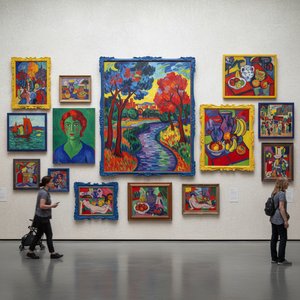
Fauvismo: 10 Obras Maestras que Revolucionaron la Pintura |
Descubre las 10 obras maestras del Fauvismo con Matisse, Derain y Vlaminck. Explora la historia, el color y la audacia de este movimiento artístico revolucionario. Reproducciones de arte exclusivas en .
Explore obras de arte organizadas por temas, estilos y características.


