Ver en contexto
 Enviar
 Compartir
 Detalles
 Guía
Guía

 Descargar
 Similares
 Radiografía
 Presentación de diapositivas
 Preguntas y respuestas
 Estadísticas
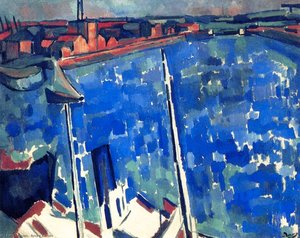
Martigues Landscape

- 65.0 x 46.0 cm


Vibrant Fauvism explodes with color in Derain's 1908 Martigues Landscape; capture the essence of this bold early modern masterpiece for your collection.
 Ver más
Descubre a André Derain (1880-1954), cofundador del Fauvismo, famoso por sus audaces colores y composiciones expresivas. ¡Explora sus obras maestras!
Giclée / Impresión de arte
Impresiones giclée o en lienzo de calidad de museo con producción rápida y opciones de acabado flexibles. ( Comprar pintura hecha a mano Cambiar a imagen digital)




P118B €10

P118H €10

P118W €10

P438Z €10

P508JH €12

P508YH €12

P805H €10

P805Z €10

P919BZ €10

P919G €10

P919XJ €10

P959ZH €10

P968JZ €12

W106C €8

W218G €10

W218JH €8

W218Y €10

W307PJ €10

W316G €10

W316PJ €8

W316Y €10

W398PJ €8

W4111J €10

W500HY €15

W500JH €15

W692G €12

W849H €8

W940BG €15

W953PJ €8




Tamaño estándar
a medida
CM
INCH
Elija entre nuestros tamaños predefinidos que respetan las proporciones originales de la obra.
Loading sizes...

ancho
altura
Introduzca el ancho y el alto que necesite para adaptarse a su marco o pared. Una impresión solo puede recortarse, nunca hacerse más grande que la imagen original, por lo que un tamaño con una forma distinta perderá parte de la obra. Le enviaremos una maqueta digital para su aprobación antes de realizar cualquier impresión. La imagen que se muestra en esta página no refleja el recorte real; solo la maqueta lo hace.
Envío a todo el mundo () en 2 semanas en lugar de las 4/5 semanas estándar. (8 noviembre)

Envío exprés gratuito a todo el mundo

Lienzo de lino de alta calidad

Seguro de envío total

Garantía de reembolso de aranceles aduaneros

Garantía de fidelidad cromática exacta

Política de devolución de 100 días (solo por defectos)

Garantía de devolución del 100% del dinero

Descuento por cantidad
 La opción de vidrio solo está disponible en tamaños inferiores a 110 cm.

Martigues Landscape
Giclée / Impresión de arte
Dimensiones de la reproducción
-


Precio total final
€ 62
A Burst of Fauvist Color: Exploring Derain's Martigues Landscape
To stand before André Derain’s Martigues Landscape is to be enveloped by a joyous, almost primal explosion of color. Painted in 1908, this work is not merely a depiction of a Mediterranean vista; it is an emotional resonance captured on canvas. The scene unfolds as a picturesque tableau—a mountainous area cradling scattered trees in the foreground, with a subtle architectural presence anchoring the composition near the center. Yet, to focus solely on the subject matter would be to miss the true genius at play. This painting sings with the vibrant spirit of Fauvism, an art movement that dared to liberate color from the constraints of mere description.
The Heart of Fauvism: Color as Emotion
Fauvism, emerging in the early decades of the 20th century, was a radical declaration. Its proponents, including Derain and his contemporary Henri Matisse, championed the expressive power of pigment over the meticulous rendering of reality. In Martigues Landscape, this philosophy is breathtakingly evident. The shades of green, brown, and blue are not chosen for their strict adherence to natural light; rather, they are deployed with a bold, almost visceral intensity. These rich, harmonious hues collide and blend, creating an atmosphere that feels both deeply tranquil and vibrantly alive. It speaks to the Fauvist belief that color itself possesses inherent emotional weight—a power capable of conveying nature's raw grace.
Technique and Composition: A Study in Bold Strokes
Derain’s handling of oil on canvas here is masterful in its apparent spontaneity. One can almost hear the brushstrokes as they lay down, thick with pigment and brimming with energy. The composition guides the eye through layers of depth; the immediate foreground, rich with textured foliage, gives way to the receding planes of the mountains, all balanced by that central building. This interplay between detailed texture in the front and sweeping color fields in the back lends the piece a remarkable sense of dimensionality. It is a landscape built not just with paint, but with carefully orchestrated visual rhythm.
Bringing Mediterranean Spirit Home
For the collector or designer seeking to infuse a space with artistic vitality, Martigues Landscape offers an unparalleled focal point. Its inherent warmth and brilliant palette make it a perfect counterpoint to muted modern interiors, or perhaps a stunning complement to richly textured furnishings. Owning a reproduction of this piece is acquiring more than just art; it is curating a moment of sun-drenched, passionate Mediterranean memory. It invites the viewer to pause, breathe deeply, and feel the untamed beauty that Derain so brilliantly unearthed for us.
Preguntas y respuestas
¿Dónde puedo descargar "Martigues Landscape" de André Derain?
Puede descargar la imagen de "Martigues Landscape" de André Derain en la página de Descargar imagen digital de la obra: descarga de una imagen digital en alta resolución.
¿Cuál es el tono predominante de "Martigues Landscape" de André Derain?
El tono dominante de "Martigues Landscape" de André Derain es Green to Violet Spectrum. Este color constituye la base cromática de la paleta.
¿Cuál es la luminancia de "Martigues Landscape" de André Derain?
"Martigues Landscape" de André Derain tiene una luminancia de Dark. La luminancia describe cuánta luz parecen reflejar los colores.
Biografía del artista
Primeros Años y Formación
- Nacimiento y Familia: André Derain nació el 10 de junio de 1880 en Chatou, Yvelines, Île-de-France, justo fuera de París.
- Estudio Independiente: Contrariamente a algunas cuentas, Derain comenzó a pintar independientemente en 1895, antes de conocer a Vlaminck o Matisse. Ocasionalmente iba al campo con Father Jacomin y sus hijos.
- Educación Formal: En 1898, estudió ingeniería en la Académie Camillo, donde conoció a Matisse y posteriormente asistió a clases de pintura bajo Eugène Carrière.
- Abandono de la Ingeniería: Tras el servicio militar (1901-1904), Derain fue persuadido por Matisse para abandonar su carrera de ingeniería y dedicarse a la pintura. Luego asistió a la Académie Julian.
Fauvismo y Desarrollo Artístico Temprano
- Colaboración con Matisse: Derain colaboró estrechamente con Henri Matisse, particularmente durante el verano de 1905 en Collioure, lo que resultó en obras como "Montañas en Collioure".
- Salón d'Automne (1905): Su exposición en el Salon d'Automne marcó un momento crucial, llevando al crítico Louis Vauxcelles a acuñar el término "Fauves" ("bestias salvajes") debido a su audaz y poco convencional uso del color.
- Pinturas de Londres: En 1906, Derain fue enviado a Londres por Ambroise Vollard, produciendo una serie de pinturas que representaban la ciudad de una manera nueva y sorprendente, centrándose en el Támesis y el Tower Bridge. Estas obras se consideran entre sus más significativas.
- Influencias y Estilo: El trabajo Fauvista temprano se caracteriza por colores intensos y no naturalistas y pinceladas expresivas. Derain fue influenciado por artistas como Van Gogh y Cézanne.
Evolución del Estilo y Obras Posteriores
- Transición hacia el Clasicismo: Después de 1907, el estilo de Derain comenzó a evolucionar, alejándose de la paleta puramente fauvista hacia tonos más apagados y una mayor énfasis en la forma. Este período (1911-1914) a veces se conoce como su "fase gótica".
- Influencia del Cubismo y los Maestros Antiguos: El trabajo de Derain durante este tiempo reflejó su estudio de los Maestros Antiguos, incorporando elementos del Cubismo y un renovado interés en las formas clásicas.
- Diseño de Ballet: En 1919, diseñó el ballet "La Boutique Fantasque" para Diaghilev, demostrando su versatilidad como artista.
- Obras Notables: Las obras clave de este período incluyen "Arlequín y Pierrot", "El Retorno de Ulises" (un gran mural) y varios paisajes y bodegones que muestran su estilo en evolución.
Legado y Significado Histórico
- Co-fundador del Fauvismo: Derain es reconocido como una figura clave en el desarrollo del Fauvismo, junto con Matisse, contribuyendo significativamente al movimiento artístico moderno de principios del siglo XX.
- Visión Única de Londres: Su serie de pinturas que representan Londres ofreció una perspectiva fresca y distintiva de la ciudad, apartándose de las representaciones artísticas anteriores.
- Reconocimiento en el Período de Posguerra: Después de la Primera Guerra Mundial, Derain ganó un nuevo reconocimiento por sus contribuciones a un clasicismo renovado en el arte.
- Años Posteriores y Controversia: A pesar de ganar el Premio Carnegie en 1928, Derain enfrentó controversias durante la Segunda Guerra Mundial debido a su presencia en Alemania y posteriormente fue marginado por algunos de sus antiguos seguidores.
- Muerte y Recuerdos: André Derain murió el 8 de septiembre de 1954. Su trabajo continúa siendo celebrado por sus colores audaces, composiciones expresivas y significativa contribución a la historia del arte moderno.

André Derain
1880 - 1954 , Francia
Datos clave
- Artistas Que Influyeron:
- Henri Matisse
- Pablo Picasso
- Eugène Carrière
- Van Gogh
- Cézanne
- Fecha De Fallecimiento: 8 de septiembre de 1954
- Fecha De Nacimiento: 10 de junio de 1880
- Lugar De Nacimiento: Chatou, Francia
- Movimiento Artístico: Fauvismo
- Nacionalidad: Francés
- Nombre Completo: André Derain
- Obras Notables:
- Harlequin y Pierrot
- Pinturas de Londres
- Bailarina fantástica
- El retorno de Ulises
Artículos relacionados
Fauvismo: 10 Obras Maestras que Revolucionaron la Pintura |
Descubre las 10 obras maestras del Fauvismo con Matisse, Derain y Vlaminck. Explora la historia, el color y la audacia de este movimiento artístico revolucionario. Reproducciones de arte exclusivas en .

Evocations of Place: A Historical Journey Through Landscape Art
Explore the rich history of landscape art with TopImpressionists. Discover renowned artists, movements like Impressionism & Romanticism, and expert guidance for collecting timeless pieces. Find your perfect serene escape today!

Dominando la Gran Ola: Las 25 Obras Maestras de Katsushika Hokusai
Explora las 25 obras maestras de Hokusai y el alma del ukiyo-e. Descubre reproducciones de museo en TopImpressionists.com.

Las 25 mejores obras de John Constable: Un viaje al corazón del paisaje inglés
Descubre las 25 obras maestras de John Constable y su alma romántica. Explora la colección completa en TopImpressionists.com.

Paisajes Románticos: 10 Obras Maestras que Definieron un Movimiento Artístico
Descubre los 10 paisajes románticos más influyentes de artistas como Caspar David Friedrich y Turner. Explora la belleza, el simbolismo y las técnicas del movimiento romántico. Reproducciones de arte exclusivas en TopImpressionists.com.
Explore obras de arte organizadas por temas, estilos y características.