


 Vista previa
 Compartir
 Compartir
 Ver detalles
 Guía
Guía

 Descargar
 Ver artículos similares
 Radiografía
 Presentación de diapositivas
 Estadísticas
Sandridge
 Oil On Canvas
- WallArt
- Australian Impressionism
 1888
1888- 19th Century
 233.0 x 128.0 cm
 Galería Nacional de Australia
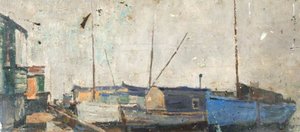
A dramatic harbor scene capturing the chaos of a sinking boat in Arthur Streeton's 1888 masterpiece Sandridge, showcasing Australian Impressionism and inviting you to explore this iconic piece for your collection.
 Leer más
Descubre la obra de Arthur Streeton (1867-1943), pintor impresionista australiano y figura clave del Heidelberg School. Paisajes dorados, arte al aire libre y su legado en el arte australiano.
Giclée / Impresión de arte
Impresiones giclée o en lienzo de calidad de museo con producción rápida y opciones de acabado flexibles. ( Encargar reproducción pintada a mano Ver versión en imagen digital)




P118B €10

P118H €10

P118W €10

P438Z €10

P508JH €12

P508YH €12

P805H €10

P805Z €10

P919BZ €10

P919G €10

P919XJ €10

P959ZH €10

P968JZ €12

W106C €8

W218G €10

W218JH €8

W218Y €10

W307PJ €10

W316G €10

W316PJ €8

W316Y €10

W398PJ €8

W4111J €10

W500HY €15

W500JH €15

W692G €12

W849H €8

W940BG €15

W953PJ €8




Estándar
personalizado
CM
INCH
Elija entre nuestros tamaños predefinidos que respetan las proporciones originales de la obra.
Loading sizes...

ancho
altura
Introduzca el ancho y el alto que necesite para adaptarse a su marco o pared. Una impresión solo puede recortarse, nunca hacerse más grande que la imagen original, por lo que un tamaño con una forma distinta perderá parte de la obra. Le enviaremos una maqueta digital para su aprobación antes de realizar cualquier impresión. La imagen que se muestra en esta página no refleja el recorte real; solo la maqueta lo hace.
Envío a todo el mundo () en 2 semanas en lugar de las 4/5 semanas estándar. (23 octubre)

Envío exprés gratuito a todo el mundo

Lienzo de lino de alta calidad

Seguro de envío completo

Garantía de reembolso de impuestos aduaneros

Garantía de fidelidad cromática exacta

Política de devolución de 100 días (solo por defectos)

Garantía de devolución del 100% del dinero

Oferta por volumen
 La opción de vidrio solo está disponible en tamaños inferiores a 110 cm.

Sandridge
Giclée / Impresión de arte
Tamaño de la reproducción
-


Precio total
€ 61
A Moment Frozen in Time: The Drama of Sandridge
In the vast expanse of Australian Impressionism, few works capture the raw, unscripted tension of maritime life as poignantly as Arthur Streeton’s Sandridge. Painted in 1888, this monumental oil on canvas serves as a window into a bustling, high-stakes moment within a busy harbor. At first glance, the viewer is drawn into a scene of profound movement and uncertainty; the central focus is a vessel caught in a state of distress, appearing to sink or having just succumbed to the elements. This focal point acts as the emotional anchor of the composition, pulling the eye toward the center of a swirling maritime drama where the calm of the water meets the sudden chaos of an emergency.
Streeton, a pioneer of the Heidelberg School, was a master at capturing what his contemporaries called the "Australian Light." In Sandridge, he utilizes this expertise to paint not just a scene, and not just a location, but an atmosphere. The light dances across the hulls of various boats—ranging from large, dominating vessels to smaller, more agile craft—creating a sense of depth and shimmering heat. Through his brushwork, one can almost feel the humidity of the harbor and the frantic energy of the at least twelve figures scattered throughout the scene. Some onlookers stand in stunned proximity to the sinking boat, while others are mere silhouettes against the horizon, their presence adding to the collective weight of the unfolding tragedy.
Technique and the Impressionist Spirit
The technical execution of Sandridge is a testament to Streeton’s ability to blend large-scale composition with delicate, impressionistic touches. The sheer scale of the work, measuring an impressive 233 x 128 cm, allows the viewer to become immersed in the harbor's geography. Streeton employs a palette that reflects the gritty yet luminous reality of a working port. His use of oil on canvas provides a rich texture that gives weight to the wooden hulls and life to the churning water. The way he manages the interplay between light and shadow is crucial; it is through these subtle shifts in tone that the sense of "chaos" is communicated without relying on overt, messy strokes.
For the discerning collector or interior designer, this piece offers a sophisticated balance of narrative intensity and aesthetic harmony. The painting does not merely depict a disaster; it captures the structural beauty of a maritime landscape. The composition guides the eye through a rhythmic arrangement of masts, sails, and figures, making it a powerful statement piece for any grand space. It possesses that rare quality in fine art: the ability to command attention through its historical gravity while simultaneously complementing a modern or classical interior with its masterful use of color and light.
A Legacy of Australian Identity
To understand Sandridge is to understand the birth of a national artistic identity. During the late 19th century, Streeton and his peers were moving away from European traditions to find a way to paint the unique, harsh, yet beautiful Australian landscape. While much of his work focuses on the golden hues of the bush, Sandridge explores the industrial and social heartbeat of the coast. The painting symbolizes the vulnerability of human endeavor when faced with the unpredictable forces of nature, a theme that resonates deeply across generations.
Owning a high-quality reproduction of this masterpiece allows one to bring a piece of Australian history into the contemporary home. It is more than a decoration; it is an invitation to contemplate the fleeting nature of stability and the enduring strength of human observation. Whether placed in a library, a formal dining room, or a curated gallery space, Sandridge serves as a profound conversation starter, embodying the spirit of an era defined by discovery, struggle, and the breathtaking beauty of the Australian light.
Preguntas y respuestas
¿Cómo se relacionan entre sí los colores de "Sandridge"?
La armonía cromática de "Sandridge" se describe como Balanced Harmony.
¿Dónde puedo encontrar una guía de "Sandridge"?
La página Guía de "Sandridge" de Arthur Streeton ofrece una ficha informativa imprimible de dos hojas: la obra con su tabla de identidad, una línea de tiempo por décadas que la sitúa en la vida del artista, otras obras del mismo autor, la paleta de colores medida y citas listas para copiar en cuatro estilos diferentes.
¿Qué atmósfera transmite "Sandridge"?
El ambiente general de "Sandridge" de Arthur Streeton es Dramatic. Esta atmósfera describe la esencia general de la obra.



Biografía del artista
Primeros años y formación
Arthur Ernest Streeton, un destacado pintor paisajista australiano, nació el 8 de abril de 1867 en Duneed, Victoria. Comenzó su trayectoria artística en la National Gallery School bajo la tutela de George Folingsby en 1882. Esta temprana formación sentó las bases para su éxito como miembro destacado de la Escuela Heidelberg, también conocida como impresionismo australiano.Carrera y desarrollo artístico
El trabajo de Streeton mejoró rápidamente durante sus años formativos, y en 1888 fue ampliamente considerado uno de los pintores más dotados de Victoria. Su asociación con otros artistas, Tom Roberts y Frederick McCubbin, condujo a la formación de un período de dos años de estrecha compañía creativa, que eventualmente se conocería como el movimiento de la Escuela Heidelberg. Durante este tiempo, Streeton experimentó con técnicas de pintura *en plein air*, capturando la luz distintiva australiana en sus obras. Su estilo evolucionó hacia una representación más impresionista del paisaje, influenciado por artistas franceses contemporáneos.El campamento de Eaglemont y obras destacadas
La época de Streeton en el campamento de Eaglemont en 1888 marcó un punto de inflexión significativo en su carrera. Este período vio la creación de obras notables como *Golden Summer, Eaglemont (1889)* y *"Still glides the stream, and shall for ever glide" (1890)*. Estas escenas pastorales bañadas por el sol mostraban el estilo único de Streeton, que luego se exhibió en la Royal Academy de Londres y recibió una mención honorable en el Salón de París de 1892. Estas pinturas son representativas del auge del impresionismo australiano y su capacidad para capturar la belleza natural del país.Viajes a Europa y servicio durante la Primera Guerra Mundial
En 1897, Streeton zarpó hacia Londres, buscando reconocimiento internacional. Aunque desarrolló una reputación considerable en Australia, no logró el mismo éxito en Inglaterra. Con el estallido de la Primera Guerra Mundial, se unió al Royal Army Medical Corps como ordenanza en el Hospital General número 3 de Wandsworth. Más tarde fue nombrado artista oficial de guerra por Australia en mayo de 1918 y sirvió en Francia, documentando las escenas del frente occidental. Sus dibujos, acuarelas y pinturas muestran la sede del AIF en St Gratien, Glisy y Heilly, estaciones de curación en Villers-Bretonneaux, estudios de paisajes y escenas de maquinaria destruida.Legado e influencia
Streeton regresó a Australia en 1920, convirtiéndose en un artista famoso y popular. Fue nombrado caballero en 1937 por sus servicios al arte y falleció el 1 de septiembre de 1943 en Olinda, Victoria. Su trabajo continúa siendo celebrado por su representación lírica del paisaje australiano y su contribución a la formación de una identidad artística nacional. Streeton influyó en generaciones posteriores de artistas australianos, inspirándolos a explorar los temas del paisaje y la luz con un enfoque impresionista.
Arthur Streeton
1867 - 1943 , Australia
Datos clave
- Artistas Influenciados: ['Heidelberg School']
- Artistas Que Influyeron: ['Girolamo Nerli']
- Fecha De Fallecimiento: 1 de septiembre de 1943
- Fecha De Nacimiento: 8 de abril de 1867
- Lugar De Nacimiento: Mount Moriac, Australia
- Movimiento Artístico: Impresionismo australiano
- Nacionalidad: Australiano
- Nombre Completo: Arthur Ernest Streeton
- Obras Notables:
- Verano dorado, Eaglemont
- Still glides the stream
- El espíritu de la sequía
Artículos relacionados

Capturing the Light: A Journey Through the Soul of American Impressionism and the Hudson River School
Explore the luminous beauty of American Impressionism and the Hudson River School. Discover a curated journey through light, landscape, and history, celebrating the enduring legacy of masters through exquisite, hand-painted oil reproductions for the discerning art lover.
Explore obras de arte organizadas por temas, estilos y características.


