

Shown: · With its frame:
 Enviar
 Compartir
 Detalles
 Guía
Guía

 Descargar
 Similares
 Presentación de diapositivas
 Q&A
Q&A Estadísticas


€ 237
Reproducción al óleo hecha a mano
Óleo sobre lienzo pintado a mano en el tamaño y marco de su elección, realizado por encargo por nuestros artistas. ( Cambiar a impresiones Cambiar a imagen digital)
Size
·Tamaño estándar
a medida
CM
INCH
Elija entre nuestros tamaños predefinidos que respetan las proporciones originales de la obra.
Loading sizes...

ancho
altura
Indique el ancho y el alto que necesite para adaptarse a su marco o pared. Al tratarse de una obra pintada a mano, si requiere un tamaño con una proporción distinta, el artista puede pintar un poco más alrededor de la imagen o recortarla ligeramente; usted elige. Le enviaremos una maqueta digital para su aprobación antes de comenzar la pintura. La imagen que se muestra en esta página no refleja el resultado real; solo la maqueta lo hace.
 Leer más información
Finish
·
White €1

Blurside €1

Extended €1

P118B €10

P118H €10

P118W €10

P438Z €10

P508JH €12

P508YH €12

P805H €10

P805Z €10

P919BZ €10

P919G €10

P919XJ €10

P959ZH €10

P968JZ €12

W106C €8

W218G €10

W218JH €8

W218Y €10

W307PJ €10

W316G €10

W316PJ €8

W316Y €10

W398PJ €8

W4111J €10

W500HY €15

W500JH €15

W692G €12

W849H €8

W940BG €15

W953PJ €8

H24-GOLD €30

H24-SILVER €30

H36-GOLD €45

H36-SILVER €45
Shipped in a protective tube, ready for your own framer.
Above 105 cm the frame is shipped as a kit for a professional framer — read the details.
Extras
optionalWhat do the extras include?
Examples of what can be changed: Replace face with customer photo; Add pet (e.g., replace cat with dog); Include hidden message in background; Change background landscape or elements.
After order, TopImpressionists.com team will email client for instructions and provide a mockup preview
After order, TopImpressionists.com team will email client for instructions and provide a mockup preview
Envío a todo el mundo () en 3-4 semanas en lugar de las 5 semanas estándar. (29 octubre). Sin comprometer la calidad.
Barniz protector
Cartela
Detalles de la placa de bronce grabada
This elegant plaque features the artist's name and the title of the artwork, finely engraved for a timeless presentation.
It is made from bronze with a refined, elegant finish. The text is precisely laser-engraved for a sharp and permanent result. Measuring 9x2 cm, the plaque is compact yet easy to read. It's built to be durable and scratch-resistant, offering a professional, museum-quality look. Mounting is simple thanks to the included adhesive backing.
Detalles de la placa de acrílico transparente
The plaque includes essential engraved details such as the artist's name, the title of the artwork, the date it was created, the type of media used-like oil on canvas or watercolor-a brief description of the piece, and a QR code that links to the complete artwork information.
It is crafted from clear acrylic, offering a sleek, modern appearance. The text is UV-engraved in black to ensure strong visual contrast. With a size of 10x15 cm, it ensures optimal readability. It comes equipped with two metal hooks for secure wall mounting. The plaque is designed to be weather-resistant, making it suitable for various environments, and it includes interactive features that work seamlessly with smartphone scanning.
Detalles de la placa de acrílico negro
This elegant plaque includes engraved information such as the artist's name, the title of the artwork, the date it was created, the type of media used (like oil on canvas or watercolor), a short description of the artwork, and a QR code for quick access to more information.
The plaque itself is made from refined black acrylic with a premium finish. The text is laser-engraved in white for high contrast and readability. Its size is 10x15 cm, designed to be easy to read. It comes with two metal hooks for professional mounting. The design is sleek and fits any interior style. It is also weather-resistant and durable, with built-in digital integration for mobile compatibility.
La opción de vidrio solo está disponible en tamaños inferiores a 110 cm.
 La opción de vidrio solo está disponible en tamaños inferiores a 110 cm.
- Envío exprés gratuito a todo el mundo
- Lienzo de lino de alta calidad
- Seguro de envío total
- Garantía de reembolso de aranceles aduaneros
- Garantía de fidelidad cromática exacta
- Política de devolución de 100 días (solo por defectos)
- Garantía de devolución del 100% del dinero
- Descuento por cantidad


Descripción del objeto
Discover this highly textured Aztec Empire ritual stone from 1521, a powerful artifact documenting ancient Mesoamerican artistry; bring history home.
Biografía del artista
El arte azteca, rico en simbolismo y color, refleja la grandeza de su imperio. Descubre esculturas monumentales, códices ilustrados y elaborada pluma, un legado cultural fascinante. #ArteAzteca #MéxicoAntiguo
About the painting
Echoes of Obsidian: The Ritual Stone of the Aztec Empire
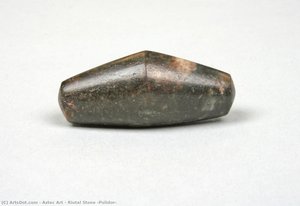
To gaze upon this Riutal Stone (Pulidor) is not merely to observe an artifact; it is to touch the deep, resonant silence of a vanished civilization. This piece, originating from the heart of the Aztec Empire around the year 1521, speaks volumes without uttering a single word. It presents itself as a profound meditation on materiality—a rectangular slab of volcanic rock, perhaps obsidian or a deeply weathered basalt, whose surface has absorbed centuries of ritual significance. The photograph captures its essence with documentary precision, allowing the viewer to wander across its mottled topography.
The Language of Texture and Shadow
Technically, the image is a masterclass in restrained presentation. The photographer has employed diffuse, even lighting that seems to emanate from nowhere and everywhere at once. This careful illumination avoids harsh highlights or deep, distracting shadows, instead coaxing out the stone's inherent drama. Observe the surface: it is a tapestry of minute pits, subtle undulations, and variations in tone—a complex interplay of dark browns, slate grays, and hints of oxidized reddish-brown. These textures are not accidental; they are the accumulated record of time, handling, and sacred use. The overall impression is one of immense weight, both physical and historical.
Symbolism Woven into Stone
For the Aztec people, objects such as this were far removed from mere decoration. They were conduits, anchors for belief. While we view it through a modern lens, its very existence suggests a profound ritual purpose. The dark, earthy palette connects it intrinsically to concepts of the underworld, fertility, and the cyclical nature of life itself—themes central to Mesoamerican cosmology. Owning or displaying a reproduction of this stone is an act of bringing that ancient gravitas into contemporary space; it serves as a silent focal point, grounding any room with an undeniable sense of deep history.
Integrating Ancient Power into Modern Design
For the discerning collector or interior designer, this piece offers unparalleled depth. It eschews the bright flash of overt ornamentation for the quiet power of raw material and profound narrative. Imagine it placed against a backdrop of polished wood or alongside minimalist modern art; the stone acts as an anchor to antiquity. Its simple, rectangular form provides clean lines, while its chaotic, organic surface texture introduces necessary visual tension. It is a piece that demands contemplation, inviting one to slow down, to listen for the echoes of Tenochtitlan within its cool, dark embrace.
Preguntas y respuestas
¿Dónde puedo encontrar estadísticas sobre "Riutal Stone (Pulidor)" de Imperio Azteca?
Existe una página de Estadísticas para "Riutal Stone (Pulidor)". En ella se detallan las visitas mensuales de la obra y de otras piezas del artista, con desgloses por país e idioma.
¿Qué armonía cromática presenta "Riutal Stone (Pulidor)" de Imperio Azteca?
"Riutal Stone (Pulidor)" de Imperio Azteca presenta una armonía de color Strong Color Unity.
¿Es "Riutal Stone (Pulidor)" de Imperio Azteca una obra de tonos claros u oscuros?
En términos generales, "Riutal Stone (Pulidor)" presenta una luminosidad de brilliant. La luminosidad percibida describe qué tan clara u oscura parece la obra.
Quick facts and art quiz
About Imperio Azteca

Imperio Azteca
1300 - 1521, México
Biografía del artista
The Echoes of Stone: Exploring the Art and Legacy of the Aztec Empire
El nombre “Azteca” – derivado de la palabra náhuatl *ātl-ce-tlācati–tlān*, que significa “gente de muchas formas” – evoca imágenes de un vasto y complejo imperio que dominó Mesoamérica durante siglos. Más que guerreros y conquistadores, los aztecas eran individuos profundamente artísticos, tejiendo belleza intrincada en cada faceta de sus vidas—desde la monumental arquitectura hasta el delicado trabajo con plumas, desde los rituales sagrados hasta los objetos cotidianos. Su arte no era meramente decorativo; era un vibrante lenguaje, comunicando creencias religiosas, poder político, narrativas históricas y jerarquías sociales dentro de una sociedad tanto rígida como notablemente innovadora.
Nacido a principios del siglo XIV en Tenochtitlán, el corazón del Imperio Azteca, las tradiciones artísticas de los aztecas estaban profundamente arraigadas en los legados de las civilizaciones mesoamericanas anteriores. Los olmecas, con sus enormes cabezas y sofisticados sistemas calendáricos, los teotihuacanos, renombrados por sus imponentes pirámides y planificación urbana, y los toltecas, maestros del trabajo en metal y escultura, todos contribuyeron a la rica tela artística que los aztecas heredaron. Sin embargo, los aztecas no fueron simplemente imitadores; sintetizaron estas influencias con su propio estilo artístico distintivo, caracterizado por colores audaces, intrincados patrones geométricos y representaciones simbólicas.
A Palette of Power: Materials and Techniques
El arte azteca era notablemente diverso, empleando una asombrosa gama de materiales y técnicas. La escultura en piedra ocupaba un lugar prominente, ejemplificada por esculturas monumentales que representaban a los dioses, gobernantes y criaturas míticas. La imponente Piedra del Sol (Piedra Calendárica), descubierta en 1946, es un testimonio de su dominio de este medio—un relieve de piedra complejo y estratificado que combinaba información calendárica con simbolismo cosmológico. Artesanos hábiles también trabajaban con madera, arcilla, plumas—particularmente las vibrantes plumas de guijarabal – jade, turquesa, obsidiana y oro, reflejando tanto la riqueza como el estatus.
El trabajo con plumas era quizás el aspecto más llamativo del arte azteca. Elaboradas copas, jubones y otros adornos decorativos se creaban utilizando miles de plumas meticulosamente dispuestas—un proceso que requería una habilidad y paciencia inmensas. Estos objetos no eran meramente hermosos; servían como símbolos poderosos de autoridad, devoción religiosa y rango social. Los colores en sí mismos tenían significados específicos: el azul representaba los cielos, el verde simbolizaba la fertilidad, el rojo significaba la guerra y el amarillo representaba el sol.
Además, los artistas aztecas eran maestros del trabajo en mosaicos, creando impresionantes paneles decorativos utilizando pequeñas baldosas de piedra cortadas con precisión. Estos mosaicos adornaban templos, palacios y residencias privadas, añadiendo una capa de riqueza visual al entorno construido. Su cerámica era igualmente impresionante, presentando intrincados diseños geométricos y representaciones de animales y dioses.
The Language of Symbols: Themes and Motifs
El arte azteca está repleto de simbolismo, cada imagen portando capas de significado que requerían una cuidadosa interpretación por parte de sacerdotes, escribas y gobernantes. La deidad central, Huitzilopochtli, el dios de la guerra y el sol, se representaba a menudo en copas elaboradas adornadas con plumas y piedras preciosas. Quetzalcóatl, el dios serpiente emplumada asociado con el conocimiento, la sabiduría y la creación, ocupaba un lugar prominente en su panteón y aparecía en numerosas representaciones artísticas.
El sistema calendárico—una combinación notablemente sofisticada de ciclos solares y rituales—era otro motivo recurrente. Imágenes de calendarios, glifos y símbolos astronómicos se incorporaban a esculturas, mosaicos y códices (libros ilustrados), reflejando la profunda comprensión de los aztecas del tiempo y la cosmología. Las representaciones del maíz, el cultivo básico de su dieta, simbolizaban la sustento y la fertilidad. La imagen de animales—particularmente jaguares, águilas, serpientes e Hummingbirds—llevaba un significado simbólico relacionado con el poder, el coraje y la divinidad.
Historical Context and Legacy
El Imperio Azteca colapsó repentinamente a manos del ejército conquistador español en 1521, lo que resultó en una devastadora pérdida para la civilización mesoamericana. Tristemente, gran parte de su patrimonio artístico fue destruido durante la conquista—templos fueron derribados, esculturas fueron destrozadas y códices fueron quemados. Sin embargo, a pesar de estas pérdidas, fragmentos del arte azteca sobreviven hoy en día, ofreciendo información valiosa sobre esta notable civilización.
Ejemplos notables incluyen la Piedra del Sol, una escultura monumental que demuestra el avanzado conocimiento de los aztecas de astronomía y matemáticas; elaboradas copas y jubones de plumas conservados en museos de todo el mundo; y códices sobrevivientes—libros escritos con información histórica, creencias religiosas y datos calendáricos. La *Colección Andrés Blaisten* en México alberga una colección significativa de arte latinoamericano, incluyendo ejemplos que iluminan las tradiciones artísticas aztecas.
La influencia del legado artístico del Imperio Azteca aún se puede ver hoy en día, inspirando a artistas y diseñadores contemporáneos. Sus técnicas innovadoras, su simbolismo distintivo y su profunda conexión con la naturaleza siguen resonando entre el público mundial. Explorar el arte de los aztecas no es meramente un ejercicio de apreciación histórica; es un viaje al corazón de una civilización compleja y cautivadora—un testimonio de la creatividad humana, la ingeniosidad y la profundidad espiritual.
Para explorar más obras de arte del Imperio Azteca y otros artistas notables, visite TopImpressionists.com.
Quick facts about Imperio Azteca
- Artistic Movement Or Style: Arte mesoamericano
- Artists Or Movements Influenced By This Artist: ['Arte moderno']
- Artists Who Influenced This Artist:
- Olmeca
- Teotihuacano
- Toltéca
- Date Of Birth: 1300 (Tenochtitlan)
- Date Of Death: 1521
- Full Name: Aztec Empire
- Nationality: Mexicano
- Notable Artworks:
- Piedra solar
- Escultura de piedra
- Featherwork
- Place Of Birth: Tenochtitlan, México
Explore obras de arte organizadas por temas, estilos y características.


Imperio Azteca
Riutal Stone (Pulidor)
() ·
With its frame: · Hand-painted in oil on linen
Total