

 Ver en contexto
 Enviar
 Compartir
 Detalles
 Guía
Guía

 Descargar
 Similares
 Radiografía
 Presentación de diapositivas
 Preguntas y respuestas
 Estadísticas
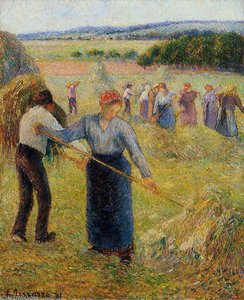
Haymaking 1


Experience Camille Pissarro’s idyllic Haymaking 1, a vibrant Impressionist scene capturing rural teamwork and the beauty of harvest time – perfect for art lovers and collectors seeking a timeless pastoral masterpiece.
 Ver más
Explore la obra de Camille Pissarro: paisajes e escenas de la vida cotidiana impresionistas y neoimpresionistas. Una figura clave que influyó a Van Gogh, Cézanne y más.
Giclée / Impresión de arte
Impresiones giclée o en lienzo de calidad de museo con producción rápida y opciones de acabado flexibles. ( Comprar pintura hecha a mano Cambiar a imagen digital)




P118B €10

P118H €10

P118W €10

P438Z €10

P508JH €12

P508YH €12

P805H €10

P805Z €10

P919BZ €10

P919G €10

P919XJ €10

P959ZH €10

P968JZ €12

W106C €8

W218G €10

W218JH €8

W218Y €10

W307PJ €10

W316G €10

W316PJ €8

W316Y €10

W398PJ €8

W4111J €10

W500HY €15

W500JH €15

W692G €12

W849H €8

W940BG €15

W953PJ €8




Tamaño estándar
a medida
CM
INCH
Elija entre nuestros tamaños predefinidos que respetan las proporciones originales de la obra.
Loading sizes...

ancho
altura
Introduzca el ancho y el alto que necesite para adaptarse a su marco o pared. Una impresión solo puede recortarse, nunca hacerse más grande que la imagen original, por lo que un tamaño con una forma distinta perderá parte de la obra. Le enviaremos una maqueta digital para su aprobación antes de realizar cualquier impresión. La imagen que se muestra en esta página no refleja el recorte real; solo la maqueta lo hace.
Envío a todo el mundo () en 2 semanas en lugar de las 4/5 semanas estándar. (3 noviembre)

Envío exprés gratuito a todo el mundo

Lienzo de lino de alta calidad

Seguro de envío total

Garantía de reembolso de aranceles aduaneros

Garantía de fidelidad cromática exacta

Política de devolución de 100 días (solo por defectos)

Garantía de devolución del 100% del dinero

Descuento por cantidad
 La opción de vidrio solo está disponible en tamaños inferiores a 110 cm.

Haymaking 1
Giclée / Impresión de arte
Dimensiones de la reproducción
-


Precio total final
€ 62
Camille Pissarro’s ‘Haymaking 1’: A Symphony of Rural Labor
Haymaking 1, a captivating depiction of rural life by Camille Pissarro, offers a poignant glimpse into the heart of Impressionist observation. Painted around 1892, this artwork transcends a simple representation of agricultural work; it’s an exploration of human connection, community, and the enduring rhythms of nature. The scene unfolds with remarkable clarity – a bustling farmyard bathed in the warm light of a summer afternoon. Nine figures, rendered with Pissarro's characteristic loose brushstrokes and vibrant palette, are engaged in the meticulous task of gathering hay, their movements suggesting both industry and camaraderie. The sheer abundance of golden hay, meticulously scattered across the field, immediately draws the eye, creating a visual feast that speaks to the bounty of the land.
Impressionist Technique and Color
Pissarro’s mastery lies in his ability to capture fleeting moments and atmospheric effects. Executed with the hallmark Impressionistic technique, Haymaking 1 showcases broken color applied in short, visible strokes. This method wasn't merely a stylistic choice; it was a deliberate attempt to record the way light interacts with surfaces – the shimmering reflections on the hay, the subtle gradations of tone in the sky, and the warmth radiating from the figures themselves. The artist’s use of complementary colors—the blues and oranges—intensifies the vibrancy of the scene, creating a dynamic visual experience. The loose brushwork contributes to an overall sense of movement and immediacy, as if we are witnessing this rural activity unfold before our eyes.
Historical Context: Pissarro and the Rise of Impressionism
Painted in the late 1890s, Haymaking 1 reflects Pissarro’s pivotal role in the development of Impressionism. Having initially embraced Realist principles, he gradually shifted his focus towards capturing the subjective experience of light and color. This work aligns with a period where Pissarro was increasingly interested in depicting everyday scenes of rural life – a departure from the grand historical or mythological subjects favored by earlier generations of artists. His connection to the Société des Artistes Indépendants, a group that championed independent artistic expression, further solidified his position as a key figure in challenging established artistic conventions. The painting’s subject matter—a common, unromanticized view of peasant labor—was deliberately chosen to reflect the burgeoning interest in social realism within the Impressionist movement.
Symbolism and Emotional Impact
Beyond its technical brilliance, Haymaking 1 carries a profound symbolic weight. The act of haymaking itself represents more than just harvesting; it embodies hard work, community cooperation, and the cyclical nature of life. The figures’ engaged postures and shared task evoke a sense of unity and purpose. The painting's emotional impact is one of quiet contentment and appreciation for the simple pleasures of rural existence. It’s a reminder of a time when labor was inextricably linked to sustenance and connection – values increasingly absent in modern society. This artwork offers a serene and evocative portrayal of a timeless scene, inviting viewers to contemplate the beauty and significance of everyday life.
Preguntas y respuestas
¿Es "Haymaking 1" de Camille Pissarro una obra de tonos claros u oscuros?
En cuanto a la luminosidad percibida, "Haymaking 1" de Camille Pissarro es bright.
¿A qué se debe la situación de los derechos de autor de "Haymaking 1" de Camille Pissarro?
El estado de los derechos de autor de "Haymaking 1" - en el dominio público: sus derechos de autor han expirado - se determina a partir del fallecimiento del artista en 1903.
¿Es "Haymaking 1" de dominio público?
En cuanto a los derechos de autor, "Haymaking 1" es en el dominio público: sus derechos de autor han expirado.
Obras relacionadas



Biografía del artista
Camille Pissarro: Una Vida en el Arte
Primeros Años y Formación
Jacob Abraham Camille Pissarro nació el 10 de julio de 1830, en Charlotte Amalie, San Tomás (entonces las Islas Vírgenes Occidentales danesas, ahora las Islas Vírgenes de EE. UU.). Su padre, Frederick Abraham Gabriel Pissarro, era de ascendencia judía portuguesa con nacionalidad francesa, y su madre, Rachel Manzano-Pomié, provenía de una familia judía francesa. Su crianza fue algo poco convencional debido a la herencia mixta y las circunstancias de sus padres. Recibió su formación artística temprana en la Academia Savary en Passy, cerca de París, donde desarrolló una apreciación por los maestros del arte francés y fue animado a dibujar de la naturaleza.
A los 17 años, Pissarro regresó a San Tomás y continuó dibujando durante sus descansos mientras trabajaba como empleado de carga. Este período le inculcó una aguda observación de la vida cotidiana y el mundo natural – temas que se convertirían en centrales en su arte.
Desarrollo Artístico e Influencias
En 1855, Pissarro se mudó a París, trabajando como asistente del pintor danés Anton Melbye. Estudió las obras de Gustave Courbet, Jean-Baptiste-Camille Corot, Honoré Daumier, y Charles-François Daubigny, cuyos estilos influyeron profundamente en su trabajo temprano. Encontró la educación artística formal en instituciones como la École des Beaux-Arts sofocante y buscó instrucción alternativa de Corot.
Inicialmente, los cuadros de Pissarro se adherían a los estándares tradicionales, expuestos en el Salón de París. Su primer cuadro fue aceptado en 1859. Sin embargo, pronto comenzó a experimentar con pinceladas más sueltas y un enfoque en capturar los efectos fugaces de la luz – señuelos del Impresionismo.
Contribución al Impresionismo y Más Allá
Camille Pissarro se considera una figura fundamental tanto en el Impresionismo como en el Postimpresionismo. Fue el único artista que expuso en todas las ocho exposiciones impresionistas de París (1874-1886), actuando como una fuerza estabilizadora dentro del grupo. No fue solo un exhibidor; activamente animó y apoyó a sus compañeros artistas, lo que le valió el apodo de “el padre figura” del movimiento.
Más tarde en su carrera, Pissarro exploró el Neoimpresionismo, influenciado por Georges Seurat y Paul Signac, empleando una técnica puntillista durante un período antes de regresar a un estilo más personal.
Logros Principales y Temas
- Paisajes: Pissarro es reconocido por sus representaciones de paisajes rurales y urbanos, a menudo centrándose en escenas de la vida cotidiana.
- Escenas de Vida Parisina: Capturó las bulliciosas calles y el vibrante ambiente de París durante un período de rápidos cambios.
- Vida Campesina: Sus cuadros frecuentemente retratan la vida y el trabajo de los campesinos, reflejando su conciencia social.
- Influencia en Artistas Jóvenes: Pissarro orientó y profundizó en el desarrollo artístico de Paul Cézanne, Vincent van Gogh, y Paul Gauguin.
Significado Histórico y Legado
El legado de Camille Pissarro se extiende más allá de sus hermosos cuadros. Fue un defensor de la libertad artística e innovación, desempeñando un papel crucial en el desarrollo del arte moderno. Su compromiso con pintar *en plein air* (al aire libre) y capturar la experiencia inmediata revolucionó la pintura de paisajes. Su disposición a experimentar con diferentes estilos y técnicas demuestra su curiosidad intelectual y su valentía artística.
Hoy en día, las obras de Pissarro se conservan en importantes museos de todo el mundo, incluido el Museo Kunstsalon Franke Schenk y el Museo Frieder Burda, continuando inspirando a artistas y amantes del arte por igual. Sigue siendo una figura celebrada cuya contribución continúa siendo estudiada y apreciada.

Camille Pissarro
1830 - 1903 , Estados Unidos de América
Datos clave
- Artistas Influenciados:
- Paul Cézanne
- Vincent van Gogh
- Paul Gauguin
- Artistas Que Influyeron:
- Gustave Courbet
- Jean-Baptiste-Camille Corot
- Honoré Daumier
- Fecha De Muerte: 13 de noviembre de 1903
- Fecha De Nacimiento: 10 de julio de 1830
- Lugar De Nacimiento: Charlotte Amalie, EE. UU.
- Movimiento Artístico: Impresionismo, Neoimpresionismo
- Nacionalidad: Dano-francés
- Nombre Completo: Camille Pissarro
- Obras Notables:
- Árbol de Nuez en Primavera
- La Joven Sirvienta
- Nieve en Montfoucault
- Paisaje en Pontoise
- Amanecer sobre los Campos
- Amanecer, Rouen
- Vista de Osny cerca de Pontoise
- El Muelle Malaquais por la Tarde
- Praderas en Éragny
- Paisaje Invernal Ondulado
Artículos relacionados

Capturing the Soul: The Most Emotionally Moving Impressionist and Post-Impressionist Masterpieces
Discover the profound emotional depth of Impressionist and Post-Impressionist masterpieces. Explore how legends like Monet, Van Gogh, and Gauguin captured light and soul through evocative landscapes and vibrant brushwork for a timeless connection to art history.

TopImpressionists.com F.A.Q.: Impresión de Alta Fidelidad y Color Vibrante en Pósteres Premium
Descubra la ciencia técnica de nuestra impresión premium y pigmentos de archivo. Asegure la máxima fidelidad para sus proyectos de lujo.

Arte Impresionista a tu Alcance: Cuadros en Lienzo de Alta Calidad para Decorar con Elegancia y Distinción
Descubra la elegancia del Impresionismo con nuestras reproducciones al óleo hechas a mano. Especialistas en lienzos de alta calidad que transforman su hogar con la luz y el alma de los grandes maestros. Calidad excepcional para decoradores exigentes y amantes del arte eterno.

La Magia de la Litografía: Luz, Textura y el Alma del Impresionismo
Descubre la técnica y el legado de la litografía desde Van Gogh hasta Chagall. Explora la magia del trazo y la luz en este viaje artístico.

El Arte de la Impresión Giclée: Cómo Revivir la Magia del Impresionismo en tu Hogar
Descubre la ciencia y el arte detrás de las impresiones Giclée de alta fidelidad. Aprende a preservar tu colección impresionista hoy mismo.
Explore obras de arte organizadas por temas, estilos y características.


