

 Ver en contexto
 Enviar
 Compartir
 Detalles
 Guía
Guía

 Descargar
 Similares
 Radiografía
 Presentación de diapositivas
 Q&A
Q&A Estadísticas
Near Pointoise


Experience Camille Pissarro’s "Near Pointoise," a stunning Impressionist landscape showcasing a serene hillside scene with figures enjoying the view – a beautiful piece to own.
 Ver más
Explore la obra de Camille Pissarro: paisajes e escenas de la vida cotidiana impresionistas y neoimpresionistas. Una figura clave que influyó a Van Gogh, Cézanne y más.
Giclée / Impresión de arte
Impresiones giclée o en lienzo de calidad de museo con producción rápida y opciones de acabado flexibles. ( Comprar pintura hecha a mano Cambiar a imagen digital)




P118B €10

P118H €10

P118W €10

P438Z €10

P508JH €12

P508YH €12

P805H €10

P805Z €10

P919BZ €10

P919G €10

P919XJ €10

P959ZH €10

P968JZ €12

W106C €8

W218G €10

W218JH €8

W218Y €10

W307PJ €10

W316G €10

W316PJ €8

W316Y €10

W398PJ €8

W4111J €10

W500HY €15

W500JH €15

W692G €12

W849H €8

W940BG €15

W953PJ €8




Tamaño estándar
a medida
CM
INCH
Elija entre nuestros tamaños predefinidos que respetan las proporciones originales de la obra.
Loading sizes...

ancho
altura
Introduzca el ancho y el alto que necesite para adaptarse a su marco o pared. Una impresión solo puede recortarse, nunca hacerse más grande que la imagen original, por lo que un tamaño con una forma distinta perderá parte de la obra. Le enviaremos una maqueta digital para su aprobación antes de realizar cualquier impresión. La imagen que se muestra en esta página no refleja el recorte real; solo la maqueta lo hace.
Envío a todo el mundo () en 2 semanas en lugar de las 4/5 semanas estándar. (1 noviembre)

Envío exprés gratuito a todo el mundo

Lienzo de lino de alta calidad

Seguro de envío total

Garantía de reembolso de aranceles aduaneros

Garantía de fidelidad cromática exacta

Política de devolución de 100 días (solo por defectos)

Garantía de devolución del 100% del dinero

Descuento por cantidad
 La opción de vidrio solo está disponible en tamaños inferiores a 110 cm.

Near Pointoise
Giclée / Impresión de arte
Dimensiones de la reproducción
-


Precio total final
€ 61
A Moment of Rural Tranquility: Camille Pissarro’s *Near Pointoise*
Camille Pissarro's *Near Pointoise*, painted in 1878, offers a serene glimpse into the burgeoning world of Impressionism – a world where observation and fleeting moments held as much artistic significance as grand narratives. This captivating landscape isn’t merely a depiction of a rural scene; it’s an embodiment of Pissarro's meticulous approach to capturing light and atmosphere, a hallmark of his long and influential career. The painting showcases a hillside bathed in the soft glow of late afternoon, dominated by a carefully rendered tree in the foreground, its darker tones providing a grounding element within the otherwise luminous composition. The subtle play of color – predominantly greens and blues – immediately draws the viewer into the scene, inviting contemplation of the natural world.
- Subject Matter: A tranquil rural landscape featuring trees, a hillside, and figures enjoying the view.
- Artist: Camille Pissarro
- Date: 1878
Impressionistic Technique and Color Harmony
*Near Pointoise* exemplifies Pissarro’s mastery of Impressionist technique. He employs broken brushstrokes, a characteristic feature of the movement, to build up layers of color rather than relying on traditional blending methods. This approach allows for a remarkable vibrancy and luminosity, particularly evident in the depiction of the sky – a wash of blues and whites that suggests atmospheric haze and the shifting quality of light. The artist’s deliberate use of contrasting tones within the tree itself—darker shades emphasizing form against lighter areas—creates depth and visual interest. The loose, almost sketchy, rendering of the figures adds to the overall sense of immediacy and movement, reflecting Pissarro's desire to capture a transient moment in time.
Historical Context: The Rise of Impressionism
Painted in 1878, *Near Pointoise* sits squarely within the pivotal period of Impressionist development. Following the establishment of the Salon des Refusés in 1863, which championed works rejected by the official Académie des Beaux-Arts, a new generation of artists began to challenge traditional artistic conventions. Pissarro, along with Monet and Renoir, was at the forefront of this movement, seeking to depict scenes from everyday life with an emphasis on subjective perception. The painting reflects the growing interest in plein air (outdoor) painting – a crucial element of Impressionism – as artists sought to directly observe and record the effects of light and color.
Symbolic Resonance and Emotional Impact
Beyond its technical brilliance, *Near Pointoise* possesses a quiet emotional resonance. The presence of figures enjoying the landscape suggests themes of leisure, connection with nature, and the simple pleasures of rural life – values increasingly valued by artists and intellectuals during this era. The composition’s sense of calm and tranquility invites viewers to share in Pissarro's appreciation for the beauty of the natural world. This painting is a testament to Pissarro’s ability to translate personal observation into a powerful and enduring work of art, offering a timeless meditation on light, color, and the human experience.
Preguntas y respuestas
¿Dónde puedo ver una vista previa de "Near Pointoise"?
Puedes ver una vista previa de "Near Pointoise" de Camille Pissarro en la página de Vista previa de la obra de la obra.
¿De qué manera se relacionan los colores de "Near Pointoise" de Camille Pissarro con su carga emocional?
"Near Pointoise" de Camille Pissarro combina una paleta de Earthy con un tono Tranquil.
¿Qué colores predominan en "Near Pointoise" de Camille Pissarro?
"Near Pointoise" de Camille Pissarro utiliza una paleta de Earthy, con el Rosy Brown (#a49ea8) como color dominante.
Obras relacionadas


Biografía del artista
Camille Pissarro: Una Vida en el Arte
Primeros Años y Formación
Jacob Abraham Camille Pissarro nació el 10 de julio de 1830, en Charlotte Amalie, San Tomás (entonces las Islas Vírgenes Occidentales danesas, ahora las Islas Vírgenes de EE. UU.). Su padre, Frederick Abraham Gabriel Pissarro, era de ascendencia judía portuguesa con nacionalidad francesa, y su madre, Rachel Manzano-Pomié, provenía de una familia judía francesa. Su crianza fue algo poco convencional debido a la herencia mixta y las circunstancias de sus padres. Recibió su formación artística temprana en la Academia Savary en Passy, cerca de París, donde desarrolló una apreciación por los maestros del arte francés y fue animado a dibujar de la naturaleza.
A los 17 años, Pissarro regresó a San Tomás y continuó dibujando durante sus descansos mientras trabajaba como empleado de carga. Este período le inculcó una aguda observación de la vida cotidiana y el mundo natural – temas que se convertirían en centrales en su arte.
Desarrollo Artístico e Influencias
En 1855, Pissarro se mudó a París, trabajando como asistente del pintor danés Anton Melbye. Estudió las obras de Gustave Courbet, Jean-Baptiste-Camille Corot, Honoré Daumier, y Charles-François Daubigny, cuyos estilos influyeron profundamente en su trabajo temprano. Encontró la educación artística formal en instituciones como la École des Beaux-Arts sofocante y buscó instrucción alternativa de Corot.
Inicialmente, los cuadros de Pissarro se adherían a los estándares tradicionales, expuestos en el Salón de París. Su primer cuadro fue aceptado en 1859. Sin embargo, pronto comenzó a experimentar con pinceladas más sueltas y un enfoque en capturar los efectos fugaces de la luz – señuelos del Impresionismo.
Contribución al Impresionismo y Más Allá
Camille Pissarro se considera una figura fundamental tanto en el Impresionismo como en el Postimpresionismo. Fue el único artista que expuso en todas las ocho exposiciones impresionistas de París (1874-1886), actuando como una fuerza estabilizadora dentro del grupo. No fue solo un exhibidor; activamente animó y apoyó a sus compañeros artistas, lo que le valió el apodo de “el padre figura” del movimiento.
Más tarde en su carrera, Pissarro exploró el Neoimpresionismo, influenciado por Georges Seurat y Paul Signac, empleando una técnica puntillista durante un período antes de regresar a un estilo más personal.
Logros Principales y Temas
- Paisajes: Pissarro es reconocido por sus representaciones de paisajes rurales y urbanos, a menudo centrándose en escenas de la vida cotidiana.
- Escenas de Vida Parisina: Capturó las bulliciosas calles y el vibrante ambiente de París durante un período de rápidos cambios.
- Vida Campesina: Sus cuadros frecuentemente retratan la vida y el trabajo de los campesinos, reflejando su conciencia social.
- Influencia en Artistas Jóvenes: Pissarro orientó y profundizó en el desarrollo artístico de Paul Cézanne, Vincent van Gogh, y Paul Gauguin.
Significado Histórico y Legado
El legado de Camille Pissarro se extiende más allá de sus hermosos cuadros. Fue un defensor de la libertad artística e innovación, desempeñando un papel crucial en el desarrollo del arte moderno. Su compromiso con pintar *en plein air* (al aire libre) y capturar la experiencia inmediata revolucionó la pintura de paisajes. Su disposición a experimentar con diferentes estilos y técnicas demuestra su curiosidad intelectual y su valentía artística.
Hoy en día, las obras de Pissarro se conservan en importantes museos de todo el mundo, incluido el Museo Kunstsalon Franke Schenk y el Museo Frieder Burda, continuando inspirando a artistas y amantes del arte por igual. Sigue siendo una figura celebrada cuya contribución continúa siendo estudiada y apreciada.

Camille Pissarro
1830 - 1903 , Estados Unidos de América
Datos clave
- Artistas Influenciados:
- Paul Cézanne
- Vincent van Gogh
- Paul Gauguin
- Artistas Que Influyeron:
- Gustave Courbet
- Jean-Baptiste-Camille Corot
- Honoré Daumier
- Fecha De Muerte: 13 de noviembre de 1903
- Fecha De Nacimiento: 10 de julio de 1830
- Lugar De Nacimiento: Charlotte Amalie, EE. UU.
- Movimiento Artístico: Impresionismo, Neoimpresionismo
- Nacionalidad: Dano-francés
- Nombre Completo: Camille Pissarro
- Obras Notables:
- Árbol de Nuez en Primavera
- La Joven Sirvienta
- Nieve en Montfoucault
- Paisaje en Pontoise
- Amanecer sobre los Campos
- Amanecer, Rouen
- Vista de Osny cerca de Pontoise
- El Muelle Malaquais por la Tarde
- Praderas en Éragny
- Paisaje Invernal Ondulado
Artículos relacionados
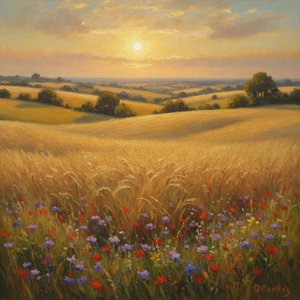
Golden Fields & Sun-Drenched Meadows: Capturing the Soul of Impressionist Landscapes
Immerse yourself in the luminous world of Impressionist landscapes. Discover how masters like Monet and Gauguin captured ephemeral light through plein air painting, and learn to bring the soul of sun-drenched meadows into your home with exquisite, hand-painted oil reproductions.

The Beauty of Impermanence: Capturing Decay through Impressionist Eyes
Explore the profound beauty of impermanence through Impressionist and Post-Impressionist eyes. Discover how masters like Monet and Van Gogh captured fleeting light and the poetic essence of nature's transitions in our deep dive into art history and emotional landscapes.

Capturing the Soul: The Most Emotionally Moving Impressionist and Post-Impressionist Masterpieces
Discover the profound emotional depth of Impressionist and Post-Impressionist masterpieces. Explore how legends like Monet, Van Gogh, and Gauguin captured light and soul through evocative landscapes and vibrant brushwork for a timeless connection to art history.

Beyond the Light: Capturing Raw Emotion and Subjective Vision in Post-Impressionist Landscapes
Explore the profound emotional depth of Post-Impressionist landscapes. Discover how masters like Van Gogh moved beyond light to capture raw human feeling through vibrant color and expressive texture in this expert art history retrospective.

Capturing the Mist: The Timeless Beauty of British Landscape Impressionism
Explore the ethereal beauty of British Landscape Impressionism. Discover how masters captured light and mist through plein air techniques, offering a profound connection to the English countryside's timeless, atmospheric soul.
Explore obras de arte organizadas por temas, estilos y características.


