

Shown: · With its frame:
 Ver en contexto
 Enviar
 Compartir
 Detalles
 Guía
Guía

 Descargar
 Similares
 Radiografía
 Presentación de diapositivas
 Q&A
Q&A Estadísticas
- 237.0 x 189.0 cm


€ 239
Reproducción al óleo hecha a mano
Óleo sobre lienzo pintado a mano en el tamaño y marco de su elección, realizado por encargo por nuestros artistas. ( Cambiar a impresiones Cambiar a imagen digital)
Size
·Tamaño estándar
a medida
CM
INCH
Elija entre nuestros tamaños predefinidos que respetan las proporciones originales de la obra.
Loading sizes...

ancho
altura
Indique el ancho y el alto que necesite para adaptarse a su marco o pared. Al tratarse de una obra pintada a mano, si requiere un tamaño con una proporción distinta, el artista puede pintar un poco más alrededor de la imagen o recortarla ligeramente; usted elige. Le enviaremos una maqueta digital para su aprobación antes de comenzar la pintura. La imagen que se muestra en esta página no refleja el resultado real; solo la maqueta lo hace.
 Leer más información
Finish
·
White €1

Blurside €1

Extended €1

P118B €10

P118H €10

P118W €10

P438Z €10

P508JH €12

P508YH €12

P805H €10

P805Z €10

P919BZ €10

P919G €10

P919XJ €10

P959ZH €10

P968JZ €12

W106C €8

W218G €10

W218JH €8

W218Y €10

W307PJ €10

W316G €10

W316PJ €8

W316Y €10

W398PJ €8

W4111J €10

W500HY €15

W500JH €15

W692G €12

W849H €8

W940BG €15

W953PJ €8

H24-GOLD €30

H24-SILVER €30

H36-GOLD €45

H36-SILVER €45
Shipped in a protective tube, ready for your own framer.
Above 105 cm the frame is shipped as a kit for a professional framer — read the details.
Extras
optionalWhat do the extras include?
Examples of what can be changed: Replace face with customer photo; Add pet (e.g., replace cat with dog); Include hidden message in background; Change background landscape or elements.
After order, TopImpressionists.com team will email client for instructions and provide a mockup preview
After order, TopImpressionists.com team will email client for instructions and provide a mockup preview
Envío a todo el mundo () en 3-4 semanas en lugar de las 5 semanas estándar. (3 noviembre). Sin comprometer la calidad.
Barniz protector
Cartela
Detalles de la placa de bronce grabada
This elegant plaque features the artist's name and the title of the artwork, finely engraved for a timeless presentation.
It is made from bronze with a refined, elegant finish. The text is precisely laser-engraved for a sharp and permanent result. Measuring 9x2 cm, the plaque is compact yet easy to read. It's built to be durable and scratch-resistant, offering a professional, museum-quality look. Mounting is simple thanks to the included adhesive backing.
Detalles de la placa de acrílico transparente
The plaque includes essential engraved details such as the artist's name, the title of the artwork, the date it was created, the type of media used-like oil on canvas or watercolor-a brief description of the piece, and a QR code that links to the complete artwork information.
It is crafted from clear acrylic, offering a sleek, modern appearance. The text is UV-engraved in black to ensure strong visual contrast. With a size of 10x15 cm, it ensures optimal readability. It comes equipped with two metal hooks for secure wall mounting. The plaque is designed to be weather-resistant, making it suitable for various environments, and it includes interactive features that work seamlessly with smartphone scanning.
Detalles de la placa de acrílico negro
This elegant plaque includes engraved information such as the artist's name, the title of the artwork, the date it was created, the type of media used (like oil on canvas or watercolor), a short description of the artwork, and a QR code for quick access to more information.
The plaque itself is made from refined black acrylic with a premium finish. The text is laser-engraved in white for high contrast and readability. Its size is 10x15 cm, designed to be easy to read. It comes with two metal hooks for professional mounting. The design is sleek and fits any interior style. It is also weather-resistant and durable, with built-in digital integration for mobile compatibility.
La opción de vidrio solo está disponible en tamaños inferiores a 110 cm.
 La opción de vidrio solo está disponible en tamaños inferiores a 110 cm.
- Envío exprés gratuito a todo el mundo
- Lienzo de lino de alta calidad
- Seguro de envío total
- Garantía de reembolso de aranceles aduaneros
- Garantía de fidelidad cromática exacta
- Política de devolución de 100 días (solo por defectos)
- Garantía de devolución del 100% del dinero
- Descuento por cantidad


Descripción del objeto
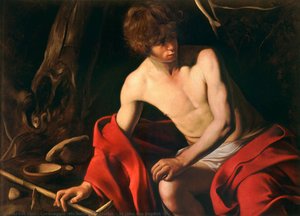
Michelangelo Merisi da Caravaggio’s "The Conversion of St. Paul" is a Baroque masterpiece! Witness the dramatic moment of divine intervention through intense chiaroscuro and psychological depth. A visceral depiction of faith's transformation.
Biografía del artista
Explora a Caravaggio (1571-1610): Maestro barroco del realismo y el tenebrismo. Escenas religiosas dramáticas, intenso claroscuro y un estilo revolucionario que influyó a Rubens y Rembrandt.
About the painting
The Conversion of St. Paul: A Baroque Drama Illuminated
Michelangelo Merisi da Caravaggio’s “The Conversion of St. Paul” stands as an unparalleled achievement in Baroque art—a visceral depiction of divine intervention and spiritual transformation that continues to captivate audiences centuries later. Painted in 1600, this monumental canvas (237 x 189 cm), housed within the Odescalchi Balbi Collection in Rome, transcends mere representation; it’s an immersive experience fueled by Caravaggio's revolutionary use of chiaroscuro and imbued with profound psychological depth.A Moment Frozen in Time
The scene captures the pivotal instant when Saint Paul—formerly Saul of Tarsus, a zealous persecutor of Christians—experienced his dramatic conversion on the road to Damascus. Illuminated by an ethereal divine light emanating from above, Paul collapses to the ground, overwhelmed by spiritual ecstasy. This depiction isn’t simply recounting scripture; it's conveying the overwhelming force of faith and the shattering of preconceived notions. Caravaggio masterfully portrays this transformative moment with unflinching realism—a stark contrast to the idealized depictions prevalent in earlier Renaissance art.The Power of Light and Shadow: Caravaggio’s Technique
Caravaggio’s signature technique, chiaroscuro, dominates the composition. He employs extreme contrasts between light and dark, sculpting figures from darkness while highlighting Paul's body with radiant illumination. This dramatic effect isn’t merely stylistic; it serves to heighten emotional intensity and draw the viewer into the scene. The artist meticulously renders textures—the rough linen of Paul’s robe, the weathered face of Saint Peter—creating a palpable sense of physicality that underscores the profound spiritual significance of the event. Furthermore, Caravaggio utilizes atmospheric perspective, subtly blurring distant figures to emphasize the immediacy of the conversion experience.Symbolism and Narrative Depth
Beyond its technical brilliance, “The Conversion” is rich in symbolic elements. The scattered birds represent chaos and disorientation—mirroring Paul’s shattered worldview before his encounter with God. Saint Peter, positioned on the left, offers a gesture of compassion and reassurance, symbolizing divine grace. The overall arrangement contributes to a dynamic narrative, inviting contemplation on themes of repentance, faith, and redemption. Caravaggio deliberately avoids portraying Paul as a saintly figure; instead, he presents him as a man humbled by suffering—a relatable portrayal that resonates powerfully with viewers across time.Influence Beyond Rome
Caravaggio’s influence extended far beyond the confines of Rome, impacting artists throughout Europe. His innovative approach to lighting and dramatic composition challenged artistic conventions and paved the way for developments in Baroque painting, notably in Venice where Giorgione, Titian, and Tintoretto adopted similar techniques. “The Conversion of St Paul” remains a cornerstone of art history—a testament to Caravaggio’s ability to transform biblical narratives into emotionally resonant visual experiences that continue to inspire artists and collectors alike. Its enduring legacy speaks volumes about the power of art to convey profound spiritual truths.Preguntas y respuestas
¿Cómo se combinan la técnica y el movimiento en "The Conversion of St. Paul"?
"The Conversion of St. Paul" está realizada en Acrílico sobre lienzo, con el estilo Baroque Dramatic Lighting.
¿Puedo ver una radiografía de "The Conversion of St. Paul" de Caravaggio?
La vista de rayos X de "The Conversion of St. Paul" de Caravaggio se encuentra en la página Radiografía de la obra: un examen interactivo de la imagen a través de once capas ópticas.
¿Dónde puedo comprar reproducciones pintadas a mano de "The Conversion of St. Paul" de Caravaggio?
"The Conversion of St. Paul" está disponible como una reproducción al óleo pintada a mano sobre lienzo de lino. Puede realizar su pedido en la página de Reproducción al óleo pintada a mano, con una variedad de tamaños disponibles.
Quick facts and art quiz
About Caravaggio

Caravaggio
1571 - 1610, España
Biografía del artista
Michelangelo Merisi da Caravaggio: Vida y Legado
Primeros Años y Formación (1571-1592)
- Michelangelo Merisi da Caravaggio, comúnmente conocido simplemente como Caravaggio, nació en Milán en 1571.
- Su familia se mudó al pueblo de Caravaggio debido a una devastadora epidemia que asoló Milán.
- Tras la muerte de su padre y abuelo en 1577, su madre crió a sus cinco hijos en relativa pobreza.
- En 1584, comenzó un aprendizaje de cuatro años con Simone Peterzano, un pintor que había sido alumno de Tiziano. Esta formación fundamental le inculcó las técnicas de la pintura renacentista.
Carrera Artística y Estilo (1592-1610)
- La carrera artística de Caravaggio floreció en Roma, donde llegó alrededor de 1592. Inicialmente tuvo dificultades para obtener reconocimiento pero rápidamente se estableció con su estilo innovador.
- Su característica más definitoria fue el uso magistral del claroscuro, el contraste dramático entre la luz y la oscuridad. Esta técnica, a menudo denominada tenebrismo, se convirtió en una marca registrada de la pintura barroca.
- Rechazó las formas idealizadas en favor de representaciones realistas, a menudo utilizando personas comunes como modelos para figuras religiosas.
- Las pinturas de Caravaggio son conocidas por su intensa realidad emocional y narrativas dramáticas.
Obras Clave
- La Profesora de Cartomancia (1594): Una obra temprana que muestra su estilo realista y atención al detalle.
- La Cena en Emaús (1601-1602): Una representación poderosa de la escena bíblica, demostrando su maestría del claroscuro y la intensidad emocional.
- San Francisco de Asís en Ecstasis (1594): Ilustra su capacidad para transmitir experiencia espiritual a través de imágenes realistas.
- La Captura de Cristo (c. 1602): Una composición dramática que destaca la traición y el arresto de Jesús.
- David con la Cabeza de Goliat (c. 1610): Un retrato psicológicamente complejo del héroe bíblico.
Influencias y Desarrollo Artístico
- Caravaggio fue influenciado por las obras de maestros renacentistas como Tiziano, Leonardo da Vinci y Miguel Ángel, que estudió durante su aprendizaje.
- Se alejó del estilo predominante manierista, adoptando un enfoque más directo y naturalista a la pintura.
- Su uso de luz y sombra se inspiró tanto en las tradiciones artísticas como en la iluminación teatral común en Roma en ese momento.
Logros Importantes e Importancia Histórica
- Caravaggio revolucionó la pintura barroca con su realismo dramático, el uso innovador del claroscuro y las composiciones cargadas de emoción.
- Inspiró a una generación de artistas conocidos como los “caravaggistas” o “sombras”, que adoptaron su estilo en toda Europa. Seguidores notables incluyen a Pedro Pablo Rubens, Jusepe de Ribera y Gerrit van Honthorst.
- Su obra desafió las convenciones artísticas y allanó el camino para un enfoque más moderno a la pintura.
- A pesar de una vida personal tumultuosa marcada por la violencia y los problemas legales, el legado artístico de Caravaggio sigue siendo profundo e imborrable.
Vida Tardía y Muerte
- En 1606, Caravaggio huyó de Roma después de matar a un hombre en una pelea. Pasó los siguientes años viajando entre Nápoles, Malta y Sicilia.
- Solicitó el perdón papal pero continuó enfrentándose a desafíos legales y conflictos personales.
- Caravaggio murió en Porto Ercole, Italia, en 1610 bajo circunstancias misteriosas. La causa de su muerte sigue siendo debatida, con teorías que van desde la fiebre hasta el envenenamiento.
Quick facts about Caravaggio
- Artistas Influenciados:
- Pedro Pablo Rubens
- Jusepe de Ribera
- Gerrit van Honthorst
- Artistas Que Influyeron:
- Simone Peterzano
- Tiziano
- Leonardo da Vinci
- Miguel Ángel
- Fecha De Muerte: 1610
- Fecha De Nacimiento: 1571
- Lugar De Nacimiento: Milán, España
- Movimiento Artístico: Barroco
- Nacionalidad: Italiana
- Nombre Completo: Michelangelo Merisi da Caravaggio
- Obras Notables:
- La Fortuna Diriente
- Cena en Emmaús
- San Francisco en Éxtasis
- La Toma de Cristo
- David con la cabeza de Goliat
- Cesta de Frutas
- Flagelación de San Pedro
- Écue Homo
Explore obras de arte organizadas por temas, estilos y características.




Caravaggio
The Conversion of St. Paul
() ·
With its frame: · Hand-painted in oil on linen
Total