Atelier — Envío gratuito a todo el mundo — Plazo de entrega: 2–6 semanas
Painting from Photo Lista de deseos Carrito
PreviewPreview AR previewAR preview Switch to Print Switch to PrintSwitch to Image Switch to Image EnviarEnviar
DetallesDetalles Añadir a favoritos Añadir a favoritos DescargarDescargar SimilaresSimilares RadiografíaRadiografía Presentación de diapositivasPresentación de diapositivas

untitled (9315)

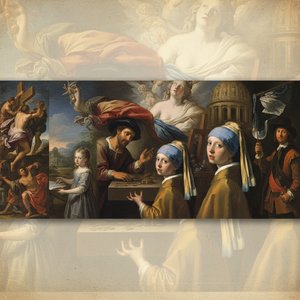
Experience Caravaggio's intensely dramatic black and white depiction of Christ on the cross, a poignant Baroque masterpiece capturing profound sorrow and human reaction. Own this iconic artwork and immerse yourself in its timeless beauty.

Explora a Caravaggio (1571-1610): Maestro barroco del realismo y el tenebrismo. Escenas religiosas dramáticas, intenso claroscuro y un estilo revolucionario que influyó a Rubens y Rembrandt.

Reproducción al óleo hecha a mano

Óleo sobre lienzo pintado a mano en el tamaño y marco de su elección, realizado por encargo por nuestros artistas. (Switch to Print Switch to PrintSwitch to Image Switch to Image)

P118B $10
P118H $10
P118W $10
P438Z $10
P508JH $12
P508YH $12
P805H $10
P805Z $10
P919BZ $10
P919G $10
P919XJ $10
P959ZH $10
P968JZ $12
W106C $8
W218G $10
W218JH $8
W218Y $10
W307PJ $10
W316G $10
W316PJ $8
W316Y $10
W398PJ $8
W4111J $10
W500HY $15
W500JH $15
W692G $12
W849H $8
W940BG $15
W953PJ $8

Standard
custom
CM
INCH

Elija entre nuestros tamaños predefinidos que respetan las proporciones originales de la obra.

ancho
altura

Puede ingresar sus propias dimensiones para adaptarse a un marco o espacio específico. Si el tamaño seleccionado no coincide con las proporciones de la imagen original, recortaremos la obra o extenderemos la pintura con elementos adicionales pintados a mano. Se le enviará una maqueta digital para su aprobación antes de comenzar la producción.
Tenga en cuenta que la vista previa en pantalla no refleja el recorte o la extensión reales. Solo la maqueta mostrará con precisión la composición final.
Si bien existen tamaños personalizados, recomendamos seleccionar una dimensión de la lista predefinida para preservar las proporciones originales.

Ejemplos de lo que se puede personalizar: Reemplace el rostro con una foto del cliente; Agregue una mascota (por ejemplo, cambie un gato por un perro); Incluya un mensaje oculto en el fondo; Cambie el paisaje o los elementos del fondo.
Tras realizar el pedido, el equipo de TopImpressionists.com enviará un correo electrónico al cliente para solicitar instrucciones y proporcionarle una vista previa del boceto.

Entrega mundial () en 3-4 semanas en lugar de las 5 semanas estándar. (30 julio). Sin compromisos con la calidad.

why_choose_icon
Envío exprés gratuito a todo el mundo
why_choose_icon
Lienzo de lino de alta calidad
why_choose_icon
Seguro de envío total
why_choose_icon
Garantía de reembolso de impuestos aduaneros
why_choose_icon
Garantía de fidelidad de color
why_choose_icon
Política de devolución de 60 días (solo por defectos)
why_choose_icon
Garantía de devolución del 100% del dinero
why_choose_icon
Descuento por pedido múltiple

Precio total

$ 269

reproduction

untitled (9315)

Técnica de reproducción

Tamaño de la reproducción

-

Precio total final

$ 269

Datos clave

  • Subject or theme: Religious Passion
  • Artistic style: Dramatic, Intense
  • Artist: Caravaggio
  • Notable elements: Crucifixion scene
  • Medium: Painting
  • Influences: Renaissance

Descripción de la obra

A Study in Somber Humanity: Caravaggio’s ‘Untitled (9315)’

Caravaggio's “Untitled (9315)” is not merely a depiction of a crucifixion; it is an unflinching confrontation with human suffering, faith, and the raw emotions that accompany both. This stark black-and-white image, likely created around 1604-1606 during his Roman period, embodies the artist’s revolutionary approach to religious painting – a departure from idealized representations towards a brutally honest portrayal of reality. The scene unfolds with an almost theatrical intensity, capturing a moment of profound anguish and contemplation within a crowd of onlookers. The figure of Christ, lying prone on the cross, is rendered with a visceral realism that anticipates the dramatic sensibilities of the Baroque era. His extended limbs, contorted in pain, speak volumes about the physical agony endured, while his face, though obscured, suggests a deep sense of resignation and acceptance.

The Masterstroke of Chiaroscuro

Caravaggio’s genius lies primarily in his masterful manipulation of light and shadow – a technique known as *chiaroscuro*. Here, the stark contrast between intensely illuminated areas and deep, enveloping darkness isn't simply an aesthetic choice; it is a fundamental element of the narrative. The brilliant illumination focuses solely on Christ and a select few figures surrounding him, drawing immediate attention to their plight while simultaneously plunging the rest of the scene into impenetrable shadow. This dramatic effect amplifies the emotional impact, creating a sense of claustrophobia and intensifying the viewer’s empathy for the suffering figure. The use of tenebrism – extreme contrasts between light and dark – was revolutionary at the time, pushing the boundaries of artistic representation and imbuing the work with an almost supernatural quality.

  • Technique: Oil on canvas, employing Caravaggio’s signature *chiaroscuro* technique.
  • Composition: A tightly framed scene featuring nine figures arranged around the central crucifixion.
  • Color Palette: Predominantly black and white, emphasizing tonal variations and dramatic lighting.

Historical Context and Symbolism

Created during a period of intense religious fervor in Rome, “Untitled (9315)” reflects the Counter-Reformation’s emphasis on emotional engagement with faith. Caravaggio's work was intended to provoke a visceral response in the viewer, urging them to contemplate the sacrifice of Christ and its implications for their own lives. The surrounding figures – men and women of varying ages and social standing – represent the diverse range of humanity witnessing this pivotal event. Their expressions, though ambiguous, suggest a spectrum of emotions: sorrow, contemplation, perhaps even a touch of morbid fascination. The inclusion of onlookers highlights the universality of suffering and the enduring power of faith in the face of adversity.

Emotional Resonance and Artistic Legacy

“Untitled (9315)” transcends its religious subject matter to become a timeless meditation on human vulnerability and resilience. Caravaggio’s unflinching realism, combined with his dramatic use of light and shadow, creates an image that is both profoundly moving and intellectually stimulating. It's a work that demands attention, prompting viewers to confront uncomfortable truths about mortality, faith, and the nature of suffering. This painting represents a cornerstone in the development of Baroque art, influencing generations of artists who followed in Caravaggio’s footsteps. A hand-painted reproduction offers an unparalleled opportunity to experience the full force of this iconic masterpiece within your own space.


Biografía del artista

Michelangelo Merisi da Caravaggio: Vida y Legado

Primeros Años y Formación (1571-1592)

  • Michelangelo Merisi da Caravaggio, comúnmente conocido simplemente como Caravaggio, nació en Milán en 1571.
  • Su familia se mudó al pueblo de Caravaggio debido a una devastadora epidemia que asoló Milán.
  • Tras la muerte de su padre y abuelo en 1577, su madre crió a sus cinco hijos en relativa pobreza.
  • En 1584, comenzó un aprendizaje de cuatro años con Simone Peterzano, un pintor que había sido alumno de Tiziano. Esta formación fundamental le inculcó las técnicas de la pintura renacentista.

Carrera Artística y Estilo (1592-1610)

  • La carrera artística de Caravaggio floreció en Roma, donde llegó alrededor de 1592. Inicialmente tuvo dificultades para obtener reconocimiento pero rápidamente se estableció con su estilo innovador.
  • Su característica más definitoria fue el uso magistral del claroscuro, el contraste dramático entre la luz y la oscuridad. Esta técnica, a menudo denominada tenebrismo, se convirtió en una marca registrada de la pintura barroca.

  • Rechazó las formas idealizadas en favor de representaciones realistas, a menudo utilizando personas comunes como modelos para figuras religiosas.
  • Las pinturas de Caravaggio son conocidas por su intensa realidad emocional y narrativas dramáticas.

Obras Clave

  • La Profesora de Cartomancia (1594): Una obra temprana que muestra su estilo realista y atención al detalle.
  • La Cena en Emaús (1601-1602): Una representación poderosa de la escena bíblica, demostrando su maestría del claroscuro y la intensidad emocional.
  • San Francisco de Asís en Ecstasis (1594): Ilustra su capacidad para transmitir experiencia espiritual a través de imágenes realistas.
  • La Captura de Cristo (c. 1602): Una composición dramática que destaca la traición y el arresto de Jesús.
  • David con la Cabeza de Goliat (c. 1610): Un retrato psicológicamente complejo del héroe bíblico.

Influencias y Desarrollo Artístico

  • Caravaggio fue influenciado por las obras de maestros renacentistas como Tiziano, Leonardo da Vinci y Miguel Ángel, que estudió durante su aprendizaje.
  • Se alejó del estilo predominante manierista, adoptando un enfoque más directo y naturalista a la pintura.
  • Su uso de luz y sombra se inspiró tanto en las tradiciones artísticas como en la iluminación teatral común en Roma en ese momento.

Logros Importantes e Importancia Histórica

  • Caravaggio revolucionó la pintura barroca con su realismo dramático, el uso innovador del claroscuro y las composiciones cargadas de emoción.
  • Inspiró a una generación de artistas conocidos como los “caravaggistas” o “sombras”, que adoptaron su estilo en toda Europa. Seguidores notables incluyen a Pedro Pablo Rubens, Jusepe de Ribera y Gerrit van Honthorst.
  • Su obra desafió las convenciones artísticas y allanó el camino para un enfoque más moderno a la pintura.
  • A pesar de una vida personal tumultuosa marcada por la violencia y los problemas legales, el legado artístico de Caravaggio sigue siendo profundo e imborrable.

Vida Tardía y Muerte

  • En 1606, Caravaggio huyó de Roma después de matar a un hombre en una pelea. Pasó los siguientes años viajando entre Nápoles, Malta y Sicilia.
  • Solicitó el perdón papal pero continuó enfrentándose a desafíos legales y conflictos personales.
  • Caravaggio murió en Porto Ercole, Italia, en 1610 bajo circunstancias misteriosas. La causa de su muerte sigue siendo debatida, con teorías que van desde la fiebre hasta el envenenamiento.
Caravaggio

Caravaggio

1571 - 1610 , España

Datos clave

  • Artistas Influenciados:
    • Pedro Pablo Rubens
    • Jusepe de Ribera
    • Gerrit van Honthorst
  • Artistas Que Influyeron:
    • Simone Peterzano
    • Tiziano
    • Leonardo da Vinci
    • Miguel Ángel
  • Fecha De Muerte: 1610
  • Fecha De Nacimiento: 1571
  • Lugar De Nacimiento: Milán, España
  • Movimiento Artístico: Barroco
  • Nacionalidad: Italiana
  • Nombre Completo: Michelangelo Merisi da Caravaggio
  • Obras Notables:
    • La Fortuna Diriente
    • Cena en Emmaús
    • San Francisco en Éxtasis
    • La Toma de Cristo
    • David con la cabeza de Goliat
    • Cesta de Frutas
    • Flagelación de San Pedro
    • Écue Homo
Explore obras de arte organizadas por temas, estilos y características.
© TopImpressionists.com — Todos los derechos reservados  ·  100% Pintado a mano · Satisfacción garantizada · Envío gratuito a todo el mundo
VISA MASTERCARD