

 Enviar
 Compartir
 Detalles
 Guía
Guía

 Descargar
 Similares
 Presentación de diapositivas
 Q&A
Q&A Estadísticas
Symphony - diptych

- 64.0 x 62.0 cm


A mesmerizing blue ceramic diptych by Portuguese master Cecília de Sousa featuring rhythmic geometric patterns and fluid lines that invite you to experience the profound harmony of this 1989 modernist masterpiece.
 Ver más
Descubra el arte cerámico de Cecilia de Souza, maestra portuguesa del siglo XX. Explore sus piezas únicas y evocadoras, así como sus contribuciones a la tecnología cerámica.
La obra de arte que se muestra en esta página está protegida por las leyes de propiedad intelectual, lo que significa que no podemos crear ni vender legalmente una reproducción idéntica. Esta protección se hace cumplir en virtud de acuerdos internacionales como el Convenio de Berna y por las leyes nacionales, incluidas aquellas establecidas por el Ley de derechos de autor de los EE. UU. - Título 17.
Este método cumple plenamente con las normativas de derechos de autor, ya que no implica la copia ni la duplicación de la obra protegida. En su lugar, se trata de una reinterpretación creativa: una nueva pintura influenciada por la original, pero que no es idéntica a ella.
Giclée / Impresión de arte
Impresiones giclée o en lienzo de calidad de museo con producción rápida y opciones de acabado flexibles. ( Comprar pintura hecha a mano Cambiar a imagen digital)




































Tamaño estándar
a medida
CM
INCH
Elija entre nuestros tamaños predefinidos que respetan las proporciones originales de la obra.
Loading sizes...

ancho
altura
Introduzca el ancho y el alto que necesite para adaptarse a su marco o pared. Una impresión solo puede recortarse, nunca hacerse más grande que la imagen original, por lo que un tamaño con una forma distinta perderá parte de la obra. Le enviaremos una maqueta digital para su aprobación antes de realizar cualquier impresión. La imagen que se muestra en esta página no refleja el recorte real; solo la maqueta lo hace.
Envío a todo el mundo () en 2 semanas en lugar de las 4/5 semanas estándar. (3 noviembre)

Envío exprés gratuito a todo el mundo

Lienzo de lino de alta calidad

Seguro de envío total

Garantía de reembolso de aranceles aduaneros

Garantía de fidelidad cromática exacta

Política de devolución de 100 días (solo por defectos)

Garantía de devolución del 100% del dinero

Descuento por cantidad
 La opción de vidrio solo está disponible en tamaños inferiores a 110 cm.

Symphony - diptych
Giclée / Impresión de arte
Dimensiones de la reproducción
-


Precio total final
€ 61
A Dance of Form and Fragment: The Soul of Symphony
In the quiet dialogue between structure and dissolution, Symphony - diptych emerges as a profound meditation on balance. Created in 1989 by the esteemed Portuguese master Cecília de Sousa, this work transcends its medium to offer a visual rhythm that resonates with the very essence of musical composition. The piece is not merely a painting but a dualistic exploration of space, where the left panel presents a disciplined arrangement of four squares anchored above a bar, suggesting an architectural or industrial order. As the eye travels across the divide to the right half, this rigid geometry begins to dematerialize, surrendering its solid form to a series of quick, parallel lines that evoke a sense of motion and ephemeral grace.
The emotional impact of the work lies in this delicate tension between the known and the unknown. There is a palpable sense of movement, as if the viewer is witnessing a moment of transformation where matter turns into spirit. For the collector or interior designer, this diptych offers a sophisticated focal point that brings a contemplative depth to any space. It invites the observer to linger on the interplay of blue tones and the rhythmic patterns of circles, creating an atmosphere of serene complexity that can anchor a modern gallery wall or provide a soulful counterpoint to minimalist decor.
The Alchemy of Clay and Pigment
To understand the visual language of Symphony, one must look toward the artist's deep-rooted connection to the earth. Cecília de Sousa’s mastery was forged in the heat of the kiln and the tactile reality of ceramic technology. Having worked intimately with industrial equipment at the legendary Fábrica Viúca Lamego, she brought a unique, structural sensibility to her two-dimensional works. This piece serves as a brilliant translation of ceramic principles onto canvas, utilizing the judicious application of oxides and pigments to achieve a depth that feels almost sculptural.
The technique employed here is a masterclass in controlled abstraction. The deep, evocative blues create an oceanic sense of depth, while the black borders provide a sharp, definitive frame that contains the swirling energy within. The use of circular motifs adds a layer of intricate texture, breaking the linear momentum with soft, rhythmic interruptions. This interplay of heavy, grounded elements and light, sweeping strokes mirrors the artist's lifelong pursuit: finding the poetic potential within the industrial and the permanent within the transient.
A Legacy of Modernist Harmony
Born in Lisbon in 1937, de Sousa was a central figure in the post-war modernist movement in Portugal. Her education under masters like Manuel Cargaleiro instilled in her a respect for the transformative power of materials. In Symphony - diptych, we see the culmination of decades of experimentation with form and surface. The work stands as a testament to a period when Portuguese art was finding its unique voice—one that blended traditional craftsmanship with the avant-garde spirit of abstraction.
For those seeking to acquire a high-quality reproduction of this masterpiece, it represents an opportunity to possess a fragment of ceramic history reimagined through fine art. Whether placed in a contemporary residence or a professional studio, the diptych acts as a bridge between the tactile world of clay and the ethereal world of pure thought, making it an enduring choice for those who value art that speaks to both the intellect and the heart.
Preguntas y respuestas
¿Cómo convergen el movimiento y la época en "Symphony - diptych" de Cecília De Sousa?
En "Symphony - diptych" de Cecília De Sousa, el movimiento Contemporary Art se funde con la era Edad Moderna.
¿Qué paleta de colores se utiliza en "Symphony - diptych" de Cecília De Sousa?
Los colores de "Symphony - diptych" conforman una paleta Dark. Esta clasificación describe las familias de colores dominantes.
¿Cuáles son los derechos de reproducción de "Symphony - diptych" en Museo Nacional del Azulejo?
La obra original "Symphony - diptych" se encuentra en Museo Nacional del Azulejo y es aún protegido por derechos de autor.
Biografía del artista
Un legado forjado en la arcilla: El mundo cerámico de Cecília de Sousa
Cecília de Sousa, nacida en Lisboa, Portugal, en 1937, se erige como una figura fundamental en el panorama de la cerámica portuguesa del siglo XX. Más que una simple practicante de un oficio ancestral, es una artista que ha moldeado profundamente su trayectoria, desafiando los límites e imbuyendo a la arcilla de un poder expresivo único. Su viaje comenzó en la Escuela António Arroio de Lisboa, donde descubrió por primera vez el potencial transformador de los materiales cerámicos bajo la guía de Manuel Cargaleón, una influencia significativa en su desarrollo temprano. Esta formación fundacional se enriqueció aún más con sus estudios junto a Lino António, preparando el escenario para una carrera dedicada a explorar las profundidades de este medio.Primeras influencias y desarrollo artístico
El periodo de la posguerra en Portugal fue testigo de un creciente interés por el modernismo, y de Sousa se encontró en el corazón de este fermento creativo. Su obra inicial estuvo profundamente conectada con el paisaje arquitectónico de Lisboa, colaborando con diversos arquitectos en proyectos que integraban elementos cerámicos en el diseño de edificios. Esta exposición temprana le inculcó la comprensión de la cerámica no solo como objetos decorativos, sino como componentes integrales de conceptos espaciales más amplios. Sin embargo, la visión artística de de Sousa trascendió rápidamente las aplicaciones funcionales. Comenzó una exploración sostenida del material mismo: sus texturas, sus colores y su plasticidad inherente. Su paso por la Fábrica de Cerámica Viúva Lamego resultó particularmente formativo, proporcionándole un conocimiento íntimo de la tecnología cerámica e inspirando una serie de obras que dialogan directamente con los procesos industriales que observó. Este periodo marcó un giro hacia un lenguaje artístico más personal, caracterizado por matices sutiles y formas evocadoras.El lenguaje de la forma y la textura
La obra de de Sousa se distingue por su notable sensibilidad hacia el material. Ella no impone su voluntad sobre la arcilla, sino que colabora con ella, permitiendo que sus propiedades naturales dicten el resultado final. Sus piezas suelen presentar una paleta contenida, favoreciendo tonos terrosos y colores apagados que enfatizan la textura y la forma por encima del despliegiente vibrante. Esta elección deliberada refleja un profundo respeto por las cualidades intrínsecas de la cerámica: su capacidad para capturar la luz, su riqueza táctil y su conexión perdurable con la tierra. Mientras que sus obras tempranas demuestran un compromiso claro con las formas abstractas, las creaciones posteriores de de Sousa a menudo sugieren la figuración, insinuando una presencia humana o evocando formas orgánicas propias de la naturaleza. Sus dibujos, como aquel titulado “Sin título” que presenta un intercambio íntimo entre generaciones, revelan una aguda capacidad de observación y un talento para capturar la profundidad emocional mediante líneas minimalistas. Otro dibujo, también titulado "Sin título", muestra figuras enmascaradas en un entorno claustrofóbico, insinuando las complejidades psicológicas que subyacen a su trabajo.Reconocimiento e impacto perdurable
A lo largo de su carrera, Cecília de Sousa ha mantenido una presencia constante en exposiciones y bienales nacionales e internacionales. Estas plataformas no solo han exhibido sus logros artísticos, sino que también han facilitado intercambios valiosos con otros artistas y profesionales, ampliando su perspectiva y enriqueciendo su proceso creativo. Sus contribuciones se extienden más allá del ámbito de las obras individuales; es reconocida por su dedicación al avance de la tecnología cerámica y al fomento de una comprensión más profunda de esta forma de arte. Hoy en día, la obra de de Sousa está representada en numerosas colecciones e instituciones tanto en Portugal como en el extranjero, consolidando su posición como una de las ceramistas más importantes del siglo XX. Su legado reside no solo en la belleza y originalidad de sus creaciones, sino también en su compromiso inquebrantable por explorar las infinitas posibilidades de la arcilla, un testimonio del poder perdurable de la visión artística y la maestría técnica. Su trabajo continúa inspirando a una nueva generación de ceramistas, asegurando que su influencia se sienta durante los años venideros.Un diálogo continuo con la arcilla
El arte de Cecília de Sousa no consiste simplemente en crear objetos; se trata de establecer un diálogo, una conversación entre el artista, el material y el espectador. Sus piezas invitan a la contemplación, instándonos a considerar la belleza inherente de la imperfección, el poder perdurable de la tradición y el potencial transformador de la creatividad humana. Mientras continúa su viaje artístico, de Sousa permanece como una fuerza vital en el mundo de la cerámica, desafiando los límites y las nociones convencionales de la forma y la expresión.
Cecília De Sousa
1937 - , Portugal
Datos clave
- Artistic Movement Or Style: Arte cerámico
- Date Of Birth: 1937
- Full Name: Cecília de Souza
- Nationality: Portuguesa
- Notable Artworks: ['Sin título']
- Place Of Birth: Lisboa, Portugal
Artículos relacionados

Abstracción Geométrica: 10 Obras Maestras que Transformaron el Arte Moderno | TopImpressionists
Descubre las 10 obras maestras de la abstracción geométrica que revolucionaron el arte moderno. Explora a Mondrian, Malevich y Kandinsky en TopImpressionists.com. Reproducciones de alta calidad para tu hogar.

Dominando la Era de la Máquina: Las 25 Mejores Obras de Fernand Léger
Explora las 25 obras maestras de Fernand Léger y su estilo Tubista. ¡Descubre toda la colección en TopImpressionists.com!

The Art of Ceramics: A Guide to Mastery, Texture, and Timeless Form for the Discerning Collector
Explore the profound elegance of ceramic art. From master glazes to sculptural forms, our expert guide offers discerning collectors deep insights into the mastery, texture, and timeless value of fine ceramics for sophisticated collections and luxury interiors.
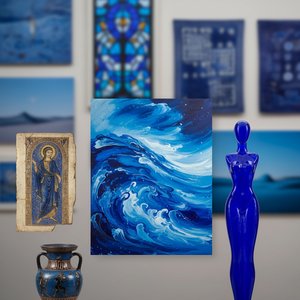
The Allure of Azure: Exploring the Symbolic & Aesthetic Depths of Blue in Art History
Explore the rich history of blue in art! Discover its symbolism, from ancient pigments to modern masterpieces by Kandinsky & Seurat. Uncover the psychological impact and cultural meanings behind this captivating hue.

Las 10 Obras Maestras del Azul Pizarra: Arte, Historia y Decoración
Descubre las 10 pinturas más famosas dominadas por el azul pizarra. Explora la historia, técnica y belleza de Monet, Van Gogh y otros maestros. Encuentra reproducciones de arte exclusivas para decorar tu hogar en .