


 Vista previa
 Compartir
 Compartir
 Ver detalles
 Guía
Guía

 Descargar
 Ver artículos similares
 Radiografía
 Presentación de diapositivas
 Estadísticas
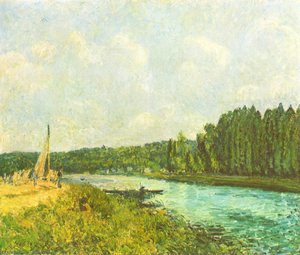
Argenteuil, Late Afternoon


 Leer más
Giclée / Impresión de arte
Impresiones giclée o en lienzo de calidad de museo con producción rápida y opciones de acabado flexibles. ( Encargar reproducción pintada a mano Ver versión en imagen digital)




P118B €10

P118H €10

P118W €10

P438Z €10

P508JH €12

P508YH €12

P805H €10

P805Z €10

P919BZ €10

P919G €10

P919XJ €10

P959ZH €10

P968JZ €12

W106C €8

W218G €10

W218JH €8

W218Y €10

W307PJ €10

W316G €10

W316PJ €8

W316Y €10

W398PJ €8

W4111J €10

W500HY €15

W500JH €15

W692G €12

W849H €8

W940BG €15

W953PJ €8




Estándar
personalizado
CM
INCH
Elija entre nuestros tamaños predefinidos que respetan las proporciones originales de la obra.
Loading sizes...

ancho
altura
Introduzca el ancho y el alto que necesite para adaptarse a su marco o pared. Una impresión solo puede recortarse, nunca hacerse más grande que la imagen original, por lo que un tamaño con una forma distinta perderá parte de la obra. Le enviaremos una maqueta digital para su aprobación antes de realizar cualquier impresión. La imagen que se muestra en esta página no refleja el recorte real; solo la maqueta lo hace.
Envío a todo el mundo () en 2 semanas en lugar de las 4/5 semanas estándar. (24 octubre)

Envío exprés gratuito a todo el mundo

Lienzo de lino de alta calidad

Seguro de envío completo

Garantía de reembolso de impuestos aduaneros

Garantía de fidelidad cromática exacta

Política de devolución de 100 días (solo por defectos)

Garantía de devolución del 100% del dinero

Oferta por volumen
 La opción de vidrio solo está disponible en tamaños inferiores a 110 cm.

Argenteuil, Late Afternoon
Giclée / Impresión de arte
Tamaño de la reproducción
-


Precio total
€ 61
A Moment Suspended in Light: Claude Monet’s ‘Argenteuil, Late Afternoon’
Claude Monet's “Argenteuil, Late Afternoon,” painted in 1872, isn’t merely a depiction of a Parisian suburb; it’s an exquisite distillation of Impressionist philosophy – a fleeting capture of light, atmosphere, and the very essence of a summer’s day. This work, housed within the esteemed collection of the Museum Barberini, offers a serene glimpse into a pivotal moment in art history, showcasing Monet's revolutionary approach to landscape painting. The scene unfolds along the banks of the Seine near Argenteuil, a town rapidly transforming under the influence of industrialization, yet here, Monet chooses to focus on its tranquil beauty, inviting us to pause and contemplate the interplay between nature and burgeoning modernity. The composition is deceptively simple: a gently rippling river reflecting the sky, punctuated by three boats – one nestled near the left bank, another in the middle distance, and a third drifting towards the right – each subtly suggesting human presence within this idyllic setting. A solitary figure can be discerned amidst the activity, perhaps lost in contemplation or engaged in tending to their vessel, adding a layer of quiet narrative to the scene.Impressionist Techniques: Capturing the Ephemeral
Monet’s genius lies not just in his subject matter but in his masterful execution of Impressionistic techniques. The painting is a vibrant testament to *plein air* painting – working directly from nature, capturing the immediate sensory experience rather than relying on meticulous detail or pre-planned compositions. Loose, energetic brushstrokes dominate the canvas, creating a sense of movement and immediacy. Notice how Monet doesn’t attempt to render every ripple in the water with precision; instead, he uses short, broken strokes of color to convey the *impression* of fluidity and reflection. The palette is remarkably restrained yet intensely evocative – soft blues and greens mingle with hazy pinks and yellows as the late afternoon sun casts its golden glow upon the scene. This deliberate avoidance of sharp outlines and precise forms is central to Monet’s goal: to represent not a fixed reality, but rather the subjective experience of light and color at a specific moment in time. The subtle gradations of tone and hue create an almost palpable sense of warmth and tranquility.Historical Context & The Rise of Impressionism
“Argenteuil, Late Afternoon” was created during a period of profound artistic change. Following the rigid conventions of academic painting, a group of avant-garde artists – including Monet, Renoir, Pissarro, and Sisley – began to challenge established norms, seeking new ways to represent the world around them. The Impressionists rejected the Salon’s emphasis on historical or mythological subjects in favor of contemporary life, landscapes, and scenes of everyday experience. Monet's choice to depict a relatively unremarkable location—a small town along the Seine—was deliberate. He wasn’t interested in grand narratives or heroic figures; instead, he sought to capture the beauty of the ordinary, the fleeting moments that often go unnoticed. The painting reflects the broader social and cultural shifts occurring at the time – the rise of industrialization, urbanization, and a growing interest in leisure and recreation. Argenteuil itself was undergoing rapid transformation, and Monet’s work captures both its charm and its underlying tension between tradition and modernity.Symbolism & Emotional Resonance
Beyond its technical brilliance, “Argenteuil, Late Afternoon” is rich in symbolic meaning. The river, a recurring motif in Monet's oeuvre, represents the flow of time and the interconnectedness of all things. The boats symbolize human activity and connection to nature. The solitary figure suggests introspection and contemplation – an invitation for the viewer to lose themselves in the scene’s peaceful atmosphere. The late afternoon light itself carries significant weight, evoking a sense of nostalgia and melancholy. It's a time of transition, when day gives way to night, and the world seems to slow down. Monet masterfully captures this feeling of quietude and reflection, inviting us to appreciate the beauty of the present moment. The painting’s overall effect is one of serene contemplation—a reminder that even in the midst of rapid change, there are moments of enduring beauty to be found.Considering the exquisite detail and masterful execution of a hand-painted reproduction from TopImpressionists, you can bring this evocative scene into your home or office, allowing its tranquil atmosphere to inspire and uplift.
Preguntas y respuestas
¿Qué emoción transmite la obra de Impressionism "Argenteuil, Late Afternoon"?
La emoción Calm de "Argenteuil, Late Afternoon" acompaña a su estilo Impressionism.
¿Qué espacio se sugiere para "Argenteuil, Late Afternoon" de Claude Monet?
El espacio recomendado para "Argenteuil, Late Afternoon" de Claude Monet es un Living Room. Por supuesto, esta sugerencia puede adaptarse a su interiorismo.
¿En qué estancia se sugiere exhibir "Argenteuil, Late Afternoon", teniendo en cuenta su paleta de colores?
Con su paleta de Neutrals, "Argenteuil, Late Afternoon" de Claude Monet es ideal para una Living Room. Sus colores son parte de la razón de esta sugerencia.
Obras relacionadas




Biografía del artista
Primeros Años y Influencias (1840-1860)
Nacido Oscar-Claude Monet el 14 de noviembre de 1840 en París, Francia, los primeros años de Claude Monet estuvieron marcados por una mudanza familiar a Le Havre, Normandía, cuando tenía solo cinco años. Su padre, un comerciante al por mayor, inicialmente tuvo la intención de que joven Claude siguiera una carrera en los negocios, pero el niño demostró un talento e interés innatos por dibujar desde muy temprana edad. Si bien su padre desaprobaba, su madre alentó sus inclinaciones artísticas.
Un momento decisivo llegó con el encuentro de Monet con Eugène Boudin, un pintor paisajista que le presentó los principios de la pintura en plein air – capturar escenas directamente del entorno natural. Esta experiencia moldeó fundamentalmente el enfoque artístico de Monet, enfatizando la observación y la espontaneidad sobre la precisión basada en estudio. También comenzó a hacer caricaturas para negocios locales, demostrando un espíritu emprendedor temprano junto con su talento artístico.
Formación Formal y Primeras Obras (1860-1874)
En 1859, Monet se mudó a París, sumergiéndose en el vibrante panorama artístico de la ciudad. Asistió brevemente a la Academia Suiza y estudió bajo Charles Gleyre, donde conoció a otros artistas como Auguste Renoir. Estos primeros años estuvieron caracterizados por la experimentación con diversos estilos, incluyendo el realismo y el retrato. Sus primeras obras, como paisajes y escenas marinas, reflejaban una habilidad en desarrollo pero carecían del estilo distintivo que definiría más tarde su obra.
La Guerra Franco-Prusiana (1870-1871) interrumpió su progreso artístico, obligándolo a buscar refugio en Londres. Durante este tiempo, estudió pintores paisajistas ingleses como J.M.W. Turner, cuyos efectos atmosféricos influyeron profundamente en su propio estilo en evolución.
El Nacimiento del Impresionismo y la "Impression, soleil levant" (1874-1883)
Monet, junto con otros artistas insatisfechos con el sistema conservador del Salón, comenzó a exhibir su obra de forma independiente. La exposición de 1874 organizada por estos artistas se considera un evento histórico en la historia del arte, dando origen al término "Impresionismo". La pintura de Monet “Impression, soleil levant” (Impresión, Amanecer), expuesta en esta muestra, proporcionó el nombre para el movimiento.
Este período vio a Monet desarrollar su estilo distintivo: pinceladas sueltas, colores vibrantes y un enfoque en capturar los momentos fugaces de luz y atmósfera. Pintaba con frecuencia en plein air, trabajando rápidamente para registrar sus impresiones inmediatas del paisaje.
Giverny y la Serie de las Lilas (1883-1926)
En 1883, Monet se estableció en Giverny, un pueblo al noroeste de París. Compró una casa con un jardín extenso, que transformó en un paraíso elaborado que incluía lirios acuáticos, sauces llorones y puentes japoneses – todos ellos convirtiéndose en temas recurrentes en su arte.
Las últimas décadas de la vida de Monet estuvieron dedicadas principalmente a pintar el estanque de lirios acuáticos de Giverny. Esto resultó en la monumental serie Lirios Acuáticos (Nymphéas), una vasta colección de pinturas que representan los reflejos del estanque y las cambiantes condiciones de luz. Estas obras, caracterizadas por su gran escala e inmersividad, se consideran entre sus mayores logros.
Desarrollo Artístico y Técnicas
Pintura al Aire Libre: El compromiso de Monet con la pintura al aire libre fue central para su desarrollo artístico. Esto le permitió observar directamente y capturar los efectos de la luz y la atmósfera. Color Fragmentado: Empleó una técnica llamada "color fragmentado", aplicando pequeños trazos de colores puros e inmezclados uno junto al otro, permitiendo que el ojo del espectador los mezcle ópticamente. Pintura por Series: La exploración de Monet de la pintura por series – representando el mismo tema bajo diferentes luces y condiciones climáticas – fue revolucionaria, demostrando el poder transformador de la luz y el tiempo.Logros Importantes y Reconocimiento
- Fundador del Impresionismo
- Creación de la icónica serie Lirios Acuáticos
- Revolucionando la pintura paisajista a través de las técnicas en plein air
- Alcanzando un éxito comercial considerable durante su vida, algo raro para los artistas vanguardistas.
Significado Histórico
El impacto de Claude Monet en la historia del arte es innegable. No solo lideró el movimiento impresionista, sino que también allanó el camino para la exploración de la subjetividad y la abstracción por parte del arte moderno. Su enfoque en capturar momentos fugaces y la experiencia subjetiva de ver influyó profundamente en las generaciones posteriores de artistas. Su obra continúa inspirando asombro y admiración, consolidando su lugar como una de las figuras más importantes del arte occidental.
Monet murió el 5 de diciembre de 1926, dejando un legado que sigue dando forma a nuestra comprensión de la luz, el color y la belleza del mundo natural. Museos como el Musée d'Orsay y el Musée Marmottan Monet en París albergan importantes colecciones de su obra, asegurando su presencia perdurable en el mundo del arte.

Claude Monet
1840 - 1926 , Francia
Datos clave
- Artistas Que Influyeron:
- Eugène Boudin
- J.M.W. Turner
- Estilo Artístico: Impresionismo
- Fecha De Muerte: 5 de diciembre de 1926
- Fecha De Nacimiento: 14 de noviembre de 1840
- Lugar De Nacimiento: París, Francia
- Nacionalidad: Francés
- Nombre Completo: Claude Monet
- Obras Notables:
- Impresión, amanecer
- Serie Nenúfares
- Paja
- Catedral de Rouen
Artículos relacionados

Capturing the Light: A Journey Through the Soul of American Impressionism and the Hudson River School
Explore the luminous beauty of American Impressionism and the Hudson River School. Discover a curated journey through light, landscape, and history, celebrating the enduring legacy of masters through exquisite, hand-painted oil reproductions for the discerning art lover.
Explore obras de arte organizadas por temas, estilos y características.


