
 Ver en contexto
 Enviar
 Compartir
 Detalles
 Guía
Guía

 Descargar
 Similares
 Radiografía
 Presentación de diapositivas
 Q&A
Q&A Estadísticas
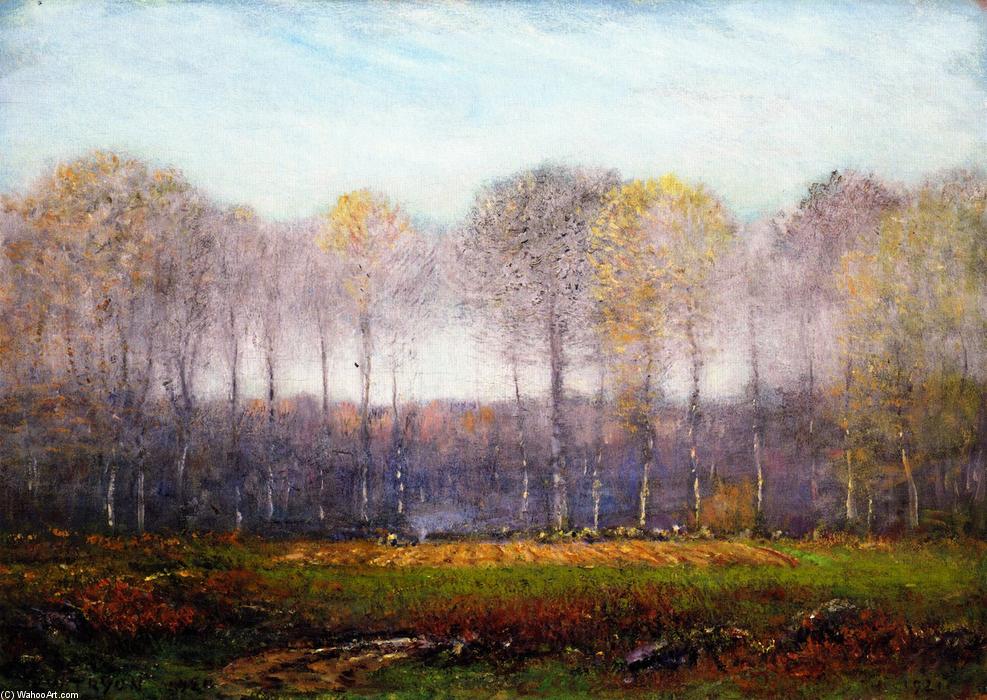
October Morning


Discover "October Morning" by Dwight William Tryon – a serene landscape painting capturing autumn's beauty. Explore its history, value & more at Invaluable.
 Ver más
Dwight Tryon (1849-1925), tonalista americano conocido por paisajes serenos y marinas evocadoras. Influenciado por Whistler, su arte captura la belleza sutil de la naturaleza.
Giclée / Impresión de arte
Impresiones giclée o en lienzo de calidad de museo con producción rápida y opciones de acabado flexibles. ( Comprar pintura hecha a mano Cambiar a imagen digital)




P118B €10

P118H €10

P118W €10

P438Z €10

P508JH €12

P508YH €12

P805H €10

P805Z €10

P919BZ €10

P919G €10

P919XJ €10

P959ZH €10

P968JZ €12

W106C €8

W218G €10

W218JH €8

W218Y €10

W307PJ €10

W316G €10

W316PJ €8

W316Y €10

W398PJ €8

W4111J €10

W500HY €15

W500JH €15

W692G €12

W849H €8

W940BG €15

W953PJ €8




Tamaño estándar
a medida
CM
INCH
Elija entre nuestros tamaños predefinidos que respetan las proporciones originales de la obra.
Loading sizes...

ancho
altura
Introduzca el ancho y el alto que necesite para adaptarse a su marco o pared. Una impresión solo puede recortarse, nunca hacerse más grande que la imagen original, por lo que un tamaño con una forma distinta perderá parte de la obra. Le enviaremos una maqueta digital para su aprobación antes de realizar cualquier impresión. La imagen que se muestra en esta página no refleja el recorte real; solo la maqueta lo hace.
Envío a todo el mundo () en 2 semanas en lugar de las 4/5 semanas estándar. (31 octubre)

Envío exprés gratuito a todo el mundo

Lienzo de lino de alta calidad

Seguro de envío total

Garantía de reembolso de aranceles aduaneros

Garantía de fidelidad cromática exacta

Política de devolución de 100 días (solo por defectos)

Garantía de devolución del 100% del dinero

Descuento por cantidad
 La opción de vidrio solo está disponible en tamaños inferiores a 110 cm.

October Morning
Giclée / Impresión de arte
Dimensiones de la reproducción
-


Precio total final
€ 61
October Morning: A Symphony of Autumnal Light by Dwight William Tryon
Dwight William Tryon’s “October Morning” isn't merely a landscape painting; it’s an immersion into the heart of a fleeting autumnal moment, captured with a delicate precision and imbued with a profound sense of tranquility. Painted in 1921, during a period when American art was increasingly embracing tonalism – a style prioritizing mood and atmosphere over sharp detail – this piece exemplifies Tryon's signature approach: a quiet contemplation of the natural world rendered through subtle color shifts and luminous washes.
The scene unfolds within a gently sloping meadow, bisected by a meandering stream reflecting the soft hues of the sky. A carefully arranged row of trees dominates the midground, their branches reaching upwards like supplicating arms, each leaf painted with an almost impossibly delicate gradation of greens, yellows, and ochres – a testament to Tryon’s mastery of layering thin glazes of oil paint. These aren't the bold, vibrant colors of Impressionism; instead, they are muted, atmospheric, evoking the fading warmth of the sun as it dips below the horizon. The distant trees recede into a hazy blue-grey, creating an illusion of depth and vastness that draws the viewer’s eye into the painting’s serene embrace.
The Tonalist's Palette: Technique and Style
Tryon’s technique is characterized by its meticulous attention to light and shadow. He employed a ‘wet-on-wet’ approach, applying paint while it was still wet on the canvas, allowing colors to blend seamlessly and creating soft edges that contribute to the painting's ethereal quality. The absence of harsh outlines or defined forms reinforces this sense of atmospheric depth. The use of thin glazes – multiple layers of translucent color applied over each other – builds up the image gradually, resulting in a luminous surface that seems to glow from within. This technique is deeply rooted in the Barbizon school of painting, which emphasized capturing the essence of nature rather than its literal representation.
Notably, Tryon’s work aligns with the broader artistic currents of his time. Influenced by James McNeill Whistler's emphasis on tonal harmony and color relationships, he sought to evoke a feeling of quiet contemplation and spiritual connection through his art. His paintings are often described as “luminist,” though he predates the more formalized Luminist movement, sharing its core principles of capturing fleeting moments of light and atmosphere.
Symbolism and Emotional Resonance
“October Morning” is rich in symbolic meaning, reflecting a deep connection to the rhythms of nature. The row of trees, stretching towards the horizon, can be interpreted as a symbol of resilience and endurance – mirroring the steadfastness of nature through the changing seasons. The stream, flowing gently across the meadow, represents the passage of time and the cyclical nature of life. The muted colors evoke feelings of peace, nostalgia, and melancholy—a poignant reminder of the beauty of impermanence.
More than just a depiction of a landscape, “October Morning” is an invitation to pause, reflect, and connect with the natural world. It’s a painting that speaks to our deepest longings for tranquility and connection, offering a moment of respite from the complexities of modern life. The soft light and muted colors create a sense of warmth and serenity, inviting the viewer to lose themselves in the beauty of this autumnal scene.
A Legacy of Serenity: Tryon’s Enduring Appeal
Dwight William Tryon's work continues to resonate with audiences today due to its timeless appeal. His paintings capture a sense of quietude and beauty that transcends time, offering viewers a glimpse into the heart of nature. His dedication to capturing subtle nuances of light and color has earned him recognition as one of America’s most important landscape painters. Reproductions of “October Morning” are prized by collectors and interior designers alike, bringing a touch of serenity and autumnal charm to homes and galleries around the world.
Preguntas y respuestas
¿Cuál es el color predominante en "October Morning" de Dwight William Tryon?
El color dominante de "October Morning" de Dwight William Tryon es Putty (#dbe5e5).
¿Presenta "October Morning" un fuerte contraste entre luces y sombras?
"October Morning" de Dwight William Tryon presenta un contraste Statement entre sus zonas de luz y sombra.
¿Cómo se describe la paleta de colores de "October Morning" de Dwight William Tryon?
La paleta de "October Morning" de Dwight William Tryon se describe como Neutrals. Es una descripción concisa de los colores de la obra.


Biografía del artista
Vida Temprana y Educación
- Dwight William Tryon nació el 13 de agosto de 1849 en Hartford, Connecticut, hijo de Anson Tryon y Delia O. Roberts.
- La temprana muerte de su padre lo dejó a cargo de su madre en la granja de sus abuelos en East Hartford.
- Desarrolló un interés por el arte de forma natural, estudiando manuales de instrucción artística de una librería local donde trabajaba.
- Tryon comenzó a esbozar el campo circundante durante su tiempo libre.
- Vendió su primera pintura en 1870 y expuso localmente antes de obtener reconocimiento en la Academia Nacional de Diseño en 1873.
Desarrollo Artístico e Influencias
- En 1876, estudió formalmente arte en Francia bajo Jacquesson de la Chevreuse y en la École des Beaux-Arts. También recibió instrucción de Charles-François Daubigny, Henri Harpignies y Jean Baptiste-Antoine Guillemet.
- Inicialmente, su estilo se inclinaba hacia el Luminismo antes de cambiar a la Escuela Barbizon, influenciado por artistas como George Inness y Alexander Helwig Wyant.
- A pesar de la exposición al Impresionismo en Francia, Tryon permaneció comprometido con la estética Barbizon.
- Su trabajo estuvo significativamente influenciado por James McNeill Whistler, evidente en su estilo tonalista.
Estilo Maduro y Obras Notables
- A fines de la década de 1880, Tryon desarrolló su estilo icónico, caracterizado por un grupo o fila rota de árboles a media distancia, a menudo con tonos otoñales, separando un cielo brillante arriba y un antepasado pantanoso o pastizal abajo.
- Con frecuencia pintaba paisajes marinos utilizando pastel para representar escenas expansivas de agua, cielo y playa bajo diversas condiciones climáticas.
- Obras notables incluyen *Salt-Marsh, December*, que ganó el primer premio en la Exposición Centenaria de Tennessee en 1897.
- Sus pinturas fueron exhibidas a nivel nacional, con una preferencia por la Academia de Artes de Pensilvania y la Galería Montross.
Patronazgo y Reconocimiento
- Charles Lang Freer se convirtió en el mecenas más importante de Tryon, adquiriendo docenas de sus obras y colaborando en el diseño de interiores para su casa en Detroit. Muchas de estas pinturas ahora están en la Galería Freer de Arte.
- Tryon recibió el Premio Carnegie en la Exposición Carnegie en 1908.
- Fue miembro de varias organizaciones artísticas prestigiosas, incluyendo la Sociedad de Artistas Americanos, la Sociedad Americana de Acuarelas y el Instituto Nacional de Artes y Letras (ahora la Academia de Artes y Letras Estadounidenses).
Vida Posterior y Legado
- En 1887, construyó una casa de verano en South Dartmouth, Massachusetts, que se convirtió en su hogar.
- Enseñó en el Smith College desde 1886 hasta 1923, estableciendo la Galería de Arte Tryon.
- Dwight William Tryon murió el 1 de julio de 1925 debido al cáncer.
- Su legado radica en su contribución al Tonalismo americano y su capacidad para capturar paisajes atmosféricos y marinas con color delicado y sentimiento refinado. Sus obras se encuentran en colecciones destacadas como el Museo Smithsonian American Art Museum y la Galería Freer de Arte.

Dwight William Tryon
1849 - 1925 , Estados Unidos de América
Datos clave
- Artistas Que Influyeron:
- James McNeill Whistler
- George Inness
- Fecha De Fallecimiento: 1 de julio de 1925
- Fecha De Nacimiento: 13 de agosto de 1849
- Lugar De Nacimiento: Hartford, EE. UU.
- Movimiento Artístico: Tonalismo, Escuela Barbizon
- Nacionalidad: Estadounidense
- Nombre Completo: Dwight William Tryon
- Obras Notables: ['Salt-Marsh, December']
Artículos relacionados

The Magic of Tonalism: Capturing Mood, Mist, and Atmospheric Emotion in Landscape Art
Discover the ethereal beauty of Tonalism. Explore how master artists use mist, soft light, and muted palettes to capture profound emotion and atmospheric mood in landscape painting. A deep dive into this quiet, introspective art movement for true connoisseurs.
Explore obras de arte organizadas por temas, estilos y características.
