Vista previa
 Compartir
 Compartir
 Ver detalles
 Guía
Guía

 Descargar
 Ver artículos similares
 Radiografía
 Presentación de diapositivas
 Estadísticas
notre dame


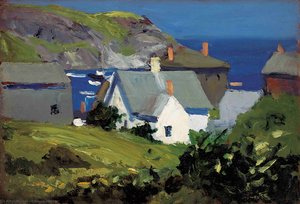
Edward Hopper’s haunting depiction of Notre Dame Cathedral embodies American Modernism's contemplative mood, capturing the cathedral’s grandeur against a backdrop of serene Parisian trees—a timeless masterpiece inviting viewers to contemplate beauty and solitude.
 Leer más
Explore las icónicas pinturas realistas americanas de Edward Hopper (1882-1967). Conocido por sus evocadoras escenas urbanas y rurales, su maestrosa utilización de la luz y sus temas de soledad y vida moderna. Descubre 'House by the Railroad' y más en TopImpressionists.
Reproducción al óleo hecha a mano
Óleo sobre lienzo pintado a mano en el tamaño y marco de su elección, realizado por encargo por nuestros artistas. ( Cambiar a formato impreso Ver versión en imagen digital)




P118B $10

P118H $10

P118W $10

P438Z $10

P508JH $12

P508YH $12

P805H $10

P805Z $10

P919BZ $10

P919G $10

P919XJ $10

P959ZH $10

P968JZ $12

W106C $8

W218G $10

W218JH $8

W218Y $10

W307PJ $10

W316G $10

W316PJ $8

W316Y $10

W398PJ $8

W4111J $10

W500HY $15

W500JH $15

W692G $12

W849H $8

W940BG $15

W953PJ $8




Estándar
personalizado
CM
INCH
Elija entre nuestros tamaños predefinidos que respetan las proporciones originales de la obra.
Loading sizes...

ancho
altura
Puede ingresar sus propias dimensiones para adaptarse a un marco o espacio específico. Si el tamaño seleccionado no coincide con las proporciones de la imagen original, recortaremos la obra o extenderemos la pintura con elementos adicionales pintados a mano. Se le enviará una maqueta digital para su aprobación antes de comenzar la producción.
Tenga en cuenta que la vista previa en pantalla no refleja el recorte o la extensión reales. Solo la maqueta mostrará con precisión la composición final.
Si bien existen tamaños personalizados, recomendamos seleccionar una dimensión de la lista predefinida para preservar las proporciones originales.
Ejemplos de lo que se puede personalizar: Reemplace el rostro con una foto del cliente; Agregue una mascota (por ejemplo, cambie un gato por un perro); Incluya un mensaje oculto en el fondo; Cambie el paisaje o los elementos del fondo.
Tras realizar el pedido, el equipo de TopImpressionists.com enviará un correo electrónico al cliente para solicitar instrucciones y proporcionarle una vista previa del boceto.
Tras realizar el pedido, el equipo de TopImpressionists.com enviará un correo electrónico al cliente para solicitar instrucciones y proporcionarle una vista previa del boceto.
Envío a todo el mundo () en 3-4 semanas en lugar de las 5 semanas estándar. (26 septiembre). Sin comprometer la calidad.

Envío exprés gratuito a todo el mundo

Lienzo de lino de alta calidad

Seguro de envío completo

Garantía de reembolso de impuestos aduaneros

Garantía de fidelidad cromática exacta

Política de devolución de 100 días (solo por defectos)

Garantía de devolución del 100% del dinero

Oferta por volumen
 La opción de vidrio solo está disponible en tamaños inferiores a 110 cm.

notre dame
Técnica de reproducción
Tamaño de la reproducción
-


Precio total
$ 269
A Symphony of Solitude: Reimagining Hopper’s Notre Dame
In the quietude of Edward Hopper’s 1931 masterpiece, Notre Dame, we find more than just a depiction of a Parisian landmark; we encounter a profound meditation on the human condition. The painting presents the iconic cathedral not as a bustling center of pilgrimage, but as a monumental silhouette etched against the deepening hues of a twilight sky. Through Hopper’s lens, the architectural grandeur of the Gothic structure becomes a vessel for urban loneliness. The composition captures the cathedral's imposing presence, where its massive clock tower and intricate spires command the viewer's attention, yet there is an unmistakable sense of detachment. As the light fades, the cathedral stands as a silent sentinel over a world that feels increasingly fragmented and solitary.
The technical brilliance of this work lies in Hopper’s mastery of tonal gradation and his ability to sculpt form through light and shadow. Executed in oil on canvas, the painting avoids the frantic energy of more expressive movements, opting instead for a disciplined, stark realism. Hopper employs thin, deliberate layers of paint that allow the underlying textures to breathe, creating an atmospheric depth that pulls the viewer into the cooling evening air. His palette is intentionally muted, utilizing subtle shifts in tone to evoke the melancholy of dusk. This restrained approach ensures that every shadow carries weight and every highlight serves to emphasize the profound stillness that permeates the scene.
Historical Resonance and Symbolic Depth
To understand Notre Dame, one must look toward the historical landscape from which it emerged. Created during the early years of the Great Depression, the painting reflects the pervasive anxieties of an era defined by economic instability and rapid social transformation. While the subject matter is European, the emotional core is deeply rooted in the American experience of the time—a period marked by a growing sense of alienation within the modernizing cityscape. Hopper utilizes the cathedral as a powerful symbol of enduring tradition and spiritual permanence, standing in stark contrast to the transient, anonymous figures scattered at its base. These sparsely populated figures, caught in moments of quiet contemplation or movement, underscore the difficulty of finding true connection in an increasingly impersonal world.
For the discerning collector or interior designer, this artwork offers a sophisticated emotional anchor for any space. It is a piece that invites introspection rather than mere observation. The painting’s ability to balance monumental scale with intimate emotion makes it a versatile choice for creating atmospheres of serenity, strength, and thoughtful elegance. Whether placed in a contemporary gallery setting or a classic study, Hopper’s vision of Notre Dame serves as a timeless reminder of the beauty found in silence and the enduring majesty of history amidst the fleeting nature of modern life.
Biografía del artista
**vida temprana e influencias**
edward hopper, un destacado pintor y grabador realista estadounidense, nació el 22 de julio de 1882 en Upper Nyack, Nueva York. Su familia, de ascendencia mayoritariamente holandesa, proporcionó una crianza cómoda que le permitió perseguir sus inclinaciones artísticas desde temprana edad. - **inspiraciones:** La obra de Hopper fue influenciada por las escrituras de Ralph Waldo Emerson y los maestros impresionistas franceses Édouard Manet y Edgar Degas. - **formación inicial:** Comenzó estudios de arte con un curso por correspondencia en 1899, posteriormente transfiriéndose a la Escuela de Arte y Diseño de Nueva York.**estilo artístico y temas**
edward hopper's representaciones cuidadosas y con un diseño preciso reflejaban su visión personal de la vida moderna estadounidense. Su obra se puede caracterizar por: - **escenas urbanas y rurales:** Ambos entornos fueron retratados con una mezcla única de realismo y profundidad emocional. - **iluminación:** Un dominio de la luz, a menudo utilizada para evocar sentimientos de aislamiento o contemplación. - **figuras:** A menudo sin rostro o en segundo plano, enfatizando al entorno sobre las figuras.**obras notables y su significado**
- House by the Railroad (Museo de Arte Moderno, Nueva York, Estados Unidos), un ejemplo de la capacidad de Hopper para evocar una sensación de melancolía a través de una composición simple pero poderosa. - Reclining Nude (50 x 35 cm, Nuevo Realismo, acuarela), que muestra su versatilidad para capturar la forma humana.**legado e influencia**
- **influencia en artistas futuros:** El estilo único de Hopper ha influido a numerosos artistas, incluyendo Pierre Sanford Ross, conocido por sus escenas urbanas y rurales. - **popularidad perdurable:** Sus obras continúan cautivando al público con sus temas atemporales de soledad y la condición humana.**explora más en TopImpressionists**
- [https://TopImpressionists.com/@/edward-hopper](obras de Edward Hopper) - /es/art/show/art-8xyffg-es/compra arte inspirado por los maestros)- Profundiza en el mundo del arte con la extensa colección de TopImpressionists.
- Descubre cómo el legado de Edward Hopper continúa inspirando a artistas y amantes del arte.
**referencias**
- [https://TopImpressionists.com/@/edward-hopper](Wikipedia: Edward Hopper) - [https://en.wikipedia.org/wiki/edward_hopper](Wikipedia: Biografía de Edward Hopper)
Edward Hopper
1931 - 1967 , Estados Unidos de América
Datos clave
- Artistas Influenciados: ['Pierre Sanford Ross']
- Artistas Que Influyeron:
- Ralph Waldo Emerson
- Édouard Manet
- Edgar Degas
- Fecha De Muerte: 1967
- Fecha De Nacimiento: 22 de julio de 1882
- Lugar De Nacimiento: Upper Nyack, EE. UU.
- Movimiento Artístico: Realismo americano
- Nacionalidad: Estadounidense
- Nombre Completo: Edward Hopper
- Obras Notables:
- House by the Railroad
- Reclining Nude
- Nighthawks
- Gas
- Chop Suey
Artículos relacionados

Capturing the Soul of Nature: A Journey Through the Sublime Majesty of American Romanticism
Explore the breathtaking beauty of American Romanticism. Discover how Hudson River School masters captured the sublime spirit of the wilderness through luminous oil landscapes and emotional depth. A journey into the soul of nature for the true art enthusiast.
Explore obras de arte organizadas por temas, estilos y características.