


 Ver en contexto
 Enviar
 Compartir
 Detalles
 Guía
Guía

 Descargar
 Similares
 Radiografía
 Presentación de diapositivas
 Estadísticas
Alone
 Oil On Canvas
- WallArt
- Post-Impressionist Movement
 1893
1893- 19th Century
 50.0 x 73.0 cm
Paul Gauguin’s "Alone," a captivating Post-Impressionist painting from 1893, depicts a serene woman resting in a warm yellow field, showcasing the artist's signature cloisonnism style. Discover this iconic artwork and bring its tranquil beauty into your space.
 Ver más
Explore Paul Gauguin's (1848-1903) arte vibrante del Postimpresionismo, pionero en el Simbolismo y el Sintetismo. Descubre pinturas icónicas de Tahití y su influencia en el arte moderno. #Gauguin
Giclée / Impresión de arte
Impresiones giclée o en lienzo de calidad de museo con producción rápida y opciones de acabado flexibles. ( Comprar pintura hecha a mano Cambiar a imagen digital)




P118B €10

P118H €10

P118W €10

P438Z €10

P508JH €12

P508YH €12

P805H €10

P805Z €10

P919BZ €10

P919G €10

P919XJ €10

P959ZH €10

P968JZ €12

W106C €8

W218G €10

W218JH €8

W218Y €10

W307PJ €10

W316G €10

W316PJ €8

W316Y €10

W398PJ €8

W4111J €10

W500HY €15

W500JH €15

W692G €12

W849H €8

W940BG €15

W953PJ €8




Tamaño estándar
a medida
CM
INCH
Elija entre nuestros tamaños predefinidos que respetan las proporciones originales de la obra.
Loading sizes...

ancho
altura
Introduzca el ancho y el alto que necesite para adaptarse a su marco o pared. Una impresión solo puede recortarse, nunca hacerse más grande que la imagen original, por lo que un tamaño con una forma distinta perderá parte de la obra. Le enviaremos una maqueta digital para su aprobación antes de realizar cualquier impresión. La imagen que se muestra en esta página no refleja el recorte real; solo la maqueta lo hace.
Envío a todo el mundo () en 2 semanas en lugar de las 4/5 semanas estándar. (26 octubre)

Envío exprés gratuito a todo el mundo

Lienzo de lino de alta calidad

Seguro de envío total

Garantía de reembolso de aranceles aduaneros

Garantía de fidelidad cromática exacta

Política de devolución de 100 días (solo por defectos)

Garantía de devolución del 100% del dinero

Descuento por cantidad
 La opción de vidrio solo está disponible en tamaños inferiores a 110 cm.

Alone
Giclée / Impresión de arte
Dimensiones de la reproducción
-


Precio total final
€ 61
Alone: A Portrait of Quietude by Paul Gauguin
Paul Gauguin’s “Alone,” painted in 1893, is more than just a depiction of a woman resting; it's an immersive exploration of solitude and the profound stillness that can be found within. Measuring a modest 50 x 73 cm, this oil-on-canvas work invites viewers into a world of contemplative serenity, a hallmark of Gauguin’s mature style and a poignant reflection of his own increasingly isolated existence.
- Subject Matter: The central figure, a woman lying prone with her head cradled in her arm, exudes an immediate sense of peace. Her relaxed posture suggests either slumber or deep contemplation – the ambiguity adds to the painting’s evocative power. Scattered around her are other figures, smaller and less defined, contributing to the overall impression of isolation rather than distracting from the primary theme.
- Style & Technique: Gauguin masterfully employs the style of Cloisonnism, characterized by bold outlines and flattened planes of color. This technique, reminiscent of stained glass, creates a striking visual impact, emphasizing the geometric forms and contributing to the painting’s tranquil atmosphere. The use of warm yellow in the background field further enhances this sense of calm and adds depth to the composition.
- Historical Context: “Alone” emerged during a pivotal moment in Gauguin's artistic journey, firmly rooted within the Post-Impressionist movement. Influenced by artists like Van Gogh and Bernard, he sought to move beyond mere representation, aiming instead to capture subjective emotions and spiritual truths. The painting’s themes of isolation resonate with the anxieties and uncertainties of the late 19th century, a period marked by rapid social change and increasing urbanization.
Decoding Symbolism: A Journey Within
Beyond its surface beauty, “Alone” is rich in symbolic potential. The woman’s posture immediately evokes feelings of vulnerability and introspection. Her placement on the ground suggests a surrender to the moment, a willingness to embrace solitude rather than resist it. The expansive yellow field surrounding her isn't merely a backdrop; it represents an open space, a realm of possibility, perhaps even a metaphor for the unconscious mind. The smaller figures, though indistinct, could symbolize fleeting memories or the echoes of past experiences – reminders of connections that have faded into the background.
- Color Palette: Gauguin’s deliberate use of warm yellows and earthy tones contributes significantly to the painting's emotional impact. Yellow, often associated with optimism and enlightenment, is tempered by the muted colors, creating a sense of both hope and melancholy.
- Compositional Elements: The diagonal lines created by the woman’s body and the horizon line contribute to the dynamic feel of the composition, preventing it from feeling static or lifeless. This careful arrangement guides the viewer's eye and reinforces the painting's central theme of movement – not physical movement, but rather the internal journey of contemplation.
Gauguin’s Legacy: A Timeless Exploration
"Alone" stands as a testament to Gauguin’s profound understanding of human emotion and his ability to translate complex feelings onto canvas. It's a painting that invites viewers to pause, reflect, and consider the beauty and significance of solitude. Its influence can be seen in countless works of art that followed, solidifying Gauguin’s place as one of the most important artists of the modern era.
A hand-painted reproduction of “Alone” offers a unique opportunity to bring this iconic artwork into your home or office. Each reproduction is meticulously crafted by skilled artisans, ensuring exceptional detail and color accuracy. Whether you are an art collector, interior designer, or simply someone who appreciates beauty, this stunning piece will undoubtedly become a cherished addition to your collection.
Preguntas y respuestas
¿Qué técnica y dimensiones tiene la obra original "Alone" de Eugène Henri Paul Gauguin?
La técnica de "Alone" de Eugène Henri Paul Gauguin es Oil On Canvas y sus dimensiones registradas son 50 x 73 cm.
¿Cuál es la atmósfera general de "Alone" de Eugène Henri Paul Gauguin?
"Alone" transmite una atmósfera Calm.
¿De qué manera el estilo de "Alone" se relaciona con la época de su creador?
En "Alone" de Eugène Henri Paul Gauguin, el movimiento Post-Impressionist Movement se funde con la era Siglo XIX.
Biografía del artista
Eugène Henri Paul Gauguin: Una Vida en Color y Simbolismo
Primeros Años y Orígenes
- Nacido el 7 de junio de 1848 en París, Francia, Eugène Henri Paul Gauguin fue una figura compleja moldeada por una crianza inusual.
- Su padre era periodista y su madre provenía de una familia con raíces peruanas – su abuela materna, Flora Tristan, fue una pionera escritora feminista y socialista.
- En 1850, la familia se trasladó a Perú, donde Gauguin pasó cuatro años formativos inmerso en una cultura diferente. Esta experiencia influiría profundamente en su arte más adelante.
- Regresando a Francia después de la muerte de su padre, Gauguin recibió una educación formal pero finalmente eligió una carrera como corredor de bolsa.
De Corredor de Bolsa a Artista
- Gauguin comenzó a pintar como un pasatiempo en su tiempo libre, influenciado inicialmente por los impresionistas.
- Una crisis financiera en 1882 lo impulsó a abandonar su carrera empresarial y dedicarse por completo al arte.
- Estudió con Camille Pissarro, quien animó su desarrollo artístico e introdujo a otros pintores vanguardistas.
Desarrollo Artístico e Influencias
- El trabajo temprano de Gauguin reflejó las técnicas impresionistas, pero pronto buscó un estilo más expresivo y simbólico.
- Experimentó con colores audaces, formas planas y composiciones simplificadas, alejándose del naturalismo del Impresionismo.
- Sus viajes a Bretaña, Martinica y finalmente Tahití fueron cruciales para dar forma a su visión artística. Buscaba una vida más “primitiva”, creyendo que ofrecía mayor autenticidad espiritual.
- Se vio influenciado por las estampas japonesas (Japonismo) y el arte medieval, lo que contribuyó a su estética distintiva.
Período Tahitiano y Obras Maestras
- Gauguin llegó a Tahití en 1891, buscando refugio de la civilización europea e inspiración en la cultura polinesia.
- Este período marcó el apogeo de su creatividad artística, produciendo pinturas icónicas como “Vahine no te miti”, “Manao Tupapau” (Observado por el Espíritu de los Muertos) y “El Día de los Dioses”.
- Sus obras tahitianas se caracterizan por colores vibrantes, temas exóticos y un sentido de misterio y espiritualidad.
- A menudo representaba a mujeres polinesias, paisajes y creencias religiosas, interpretándolos a través de su propia lente simbólica.
Vida Tardía y Dificultades
- Gauguin enfrentó dificultades financieras y problemas de salud durante su tiempo en Tahití y más tarde en las Islas Marquesas.
- A pesar de estos desafíos, continuó pintando prolíficamente, explorando temas de vida, muerte y espiritualidad.
- Murió el 8 de mayo de 1903 en la isla de Hiva Oa en las Islas Marquesas.
Legado e Importancia Histórica
- La obra de Gauguin fue en gran medida no reconocida durante su vida, pero ganó aplausos póstumos después de su muerte.
- Ahora se considera una figura clave en el desarrollo del arte moderno, conectando la brecha entre el Impresionismo y el Simbolismo.
- Su uso del color, las formas simplificadas e imágenes simbólicas influyeron a numerosos artistas, incluyendo Pablo Picasso, Henri Matisse y los Fauves.
- La exploración de Gauguin de culturas “primitivas” y su rechazo a las convenciones artísticas occidentales continúan siendo debatidas e reinterpretadas hoy en día.
- Sigue siendo una figura controvertida debido a aspectos de su vida personal, pero sus contribuciones artísticas son innegables.

Eugène Henri Paul Gauguin
1848 - 1903 , Francia
Datos clave
- Artistic Movement Or Style: Postimpresionismo
- Artists Or Movements Influenced By This Artist:
- Picasso
- Matisse
- Artists Who Influenced This Artist: ['Pissarro']
- Date Of Birth: 1848
- Date Of Death: 1903
- Full Name: Eugène Henri Paul Gauguin
- Nationality: Francés
- Notable Artworks:
- Vahine no te miti
- Manao Tupapau
- Dos Mujeres en la Playa
- Place Of Birth: París, Francia
Artículos relacionados

The Enduring Legacy of Printmaking: Techniques, Themes & Artistic Innovation Across Centuries
Explore the rich history of printmaking with TopImpressionists. Discover techniques from intaglio to lithography, learn about collecting valuable prints & find museum-quality reproductions. Expert insights for art enthusiasts and collectors.

Giclée Prints: Archival Quality & Aesthetic Nuances for the Discerning Collector
Explore the world of giclée prints with TopImpressionists. Learn about archival quality, aesthetic nuances & investment potential. Expert guidance for discerning art collectors seeking museum-quality reproductions and lasting value.

The Enduring Legacy of Fine Art Prints: Technique, History & Aesthetic Impact
Explore the rich history & techniques of fine art prints. Discover investment potential, assess authenticity, and learn how to preserve your collection with expert guidance. Trusted insights for discerning collectors.

Echoes of Time: Exploring the Enduring Appeal & Historical Context of Vintage Art Prints
Explore the captivating world of vintage art prints! Discover their history, collecting tips & enduring appeal. Expert insights on chromolithography and building a legacy collection with TopImpressionists.
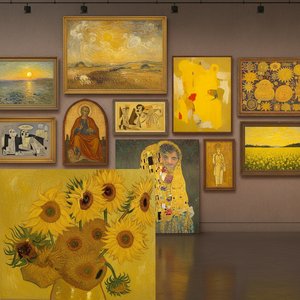
Los 10 cuadros más famosos dominados por el 'amarillo cromo': Arte y decoración
Descubre los 10 cuadros más emblemáticos dominados por el 'amarillo cromo': Van Gogh, Monet y otros maestros. Historia del arte, técnicas y decoración con lienzos impresionistas. ¡Explora la colección completa en TopImpressionists.com!
Explore obras de arte organizadas por temas, estilos y características.


