

Se muestra: · Con su marco:
 Ver en contexto
 Enviar
 Compartir
 Detalles
 Guía
Guía

 Descargar
 Similares
 Radiografía
 Presentación de diapositivas
 Preguntas y respuestas
 Estadísticas
- 81.0 x 65.0 cm


€ 352
Reproducción al óleo hecha a mano
Óleo sobre lienzo pintado a mano en el tamaño y marco de su elección, realizado por encargo por nuestros artistas. ( Cambiar a impresiones Cambiar a imagen digital)
Tamaño
·Tamaño estándar
a medida
CM
INCH
Elija entre nuestros tamaños predefinidos que respetan las proporciones originales de la obra.
Cargando tamaños...

ancho
altura
Indique el ancho y el alto que necesite para adaptarse a su marco o pared. Al tratarse de una obra pintada a mano, si requiere un tamaño con una proporción distinta, el artista puede pintar un poco más alrededor de la imagen o recortarla ligeramente; usted elige. Le enviaremos una maqueta digital para su aprobación antes de comenzar la pintura. La imagen que se muestra en esta página no refleja el resultado real; solo la maqueta lo hace.
 Leer más información
Finalizar
·
Blanco €1

Bordes difuminados €1

Continuación de imagen €1

P118B €10

P118H €10

P118W €10

P438Z €10

P508JH €12

P508YH €12

P805H €10

P805Z €10

P919BZ €10

P919G €10

P919XJ €10

P959ZH €10

P968JZ €12

W106C €8

W218G €10

W218JH €8

W218Y €10

W307PJ €10

W316G €10

W316PJ €8

W316Y €10

W398PJ €8

W4111J €10

W500HY €15

W500JH €15

W692G €12

W849H €8

W940BG €15

W953PJ €8

H24-GOLD €30

H24-SILVER €30

H36-GOLD €45

H36-SILVER €45
Se envía en un tubo protector, listo para que lo enmarque su profesional de confianza.
Servicios adicionales
opcional¿Qué incluyen los extras?
Ejemplos de lo que se puede cambiar: Reemplazar el rostro con la foto del cliente; Añadir una mascota (por ejemplo, cambiar un gato por un perro); Incluir un mensaje oculto en el fondo; Cambiar el paisaje o los elementos del fondo.
Tras realizar el pedido, el equipo de TopImpressionists.com enviará un correo electrónico al cliente para solicitar instrucciones y proporcionar una vista previa del boceto
Tras realizar el pedido, el equipo de TopImpressionists.com enviará un correo electrónico al cliente para solicitar instrucciones y proporcionar una vista previa del boceto
Envío a todo el mundo () en 3-4 semanas en lugar de las 5 semanas estándar. (10 noviembre). Sin comprometer la calidad.
Barniz protector
Cartela
Detalles de la placa de bronce grabada
This elegant plaque features the artist's name and the title of the artwork, finely engraved for a timeless presentation.
It is made from bronze with a refined, elegant finish. The text is precisely laser-engraved for a sharp and permanent result. Measuring 9x2 cm, the plaque is compact yet easy to read. It's built to be durable and scratch-resistant, offering a professional, museum-quality look. Mounting is simple thanks to the included adhesive backing.
Detalles de la placa de acrílico transparente
The plaque includes essential engraved details such as the artist's name, the title of the artwork, the date it was created, the type of media used-like oil on canvas or watercolor-a brief description of the piece, and a QR code that links to the complete artwork information.
It is crafted from clear acrylic, offering a sleek, modern appearance. The text is UV-engraved in black to ensure strong visual contrast. With a size of 10x15 cm, it ensures optimal readability. It comes equipped with two metal hooks for secure wall mounting. The plaque is designed to be weather-resistant, making it suitable for various environments, and it includes interactive features that work seamlessly with smartphone scanning.
Detalles de la placa de acrílico negro
This elegant plaque includes engraved information such as the artist's name, the title of the artwork, the date it was created, the type of media used (like oil on canvas or watercolor), a short description of the artwork, and a QR code for quick access to more information.
The plaque itself is made from refined black acrylic with a premium finish. The text is laser-engraved in white for high contrast and readability. Its size is 10x15 cm, designed to be easy to read. It comes with two metal hooks for professional mounting. The design is sleek and fits any interior style. It is also weather-resistant and durable, with built-in digital integration for mobile compatibility.
La opción de vidrio solo está disponible en tamaños inferiores a 110 cm.
 La opción de vidrio solo está disponible en tamaños inferiores a 110 cm.
- Envío exprés gratuito a todo el mundo
- Lienzo de lino de alta calidad
- Seguro de envío total
- Garantía de reembolso de aranceles aduaneros
- Garantía de fidelidad cromática exacta
- Política de devolución de 100 días (solo por defectos)
- Garantía de devolución del 100% del dinero
- Descuento por cantidad


Descripción del objeto
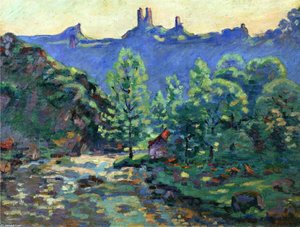
This stunning oil painting depicts a bustling river landscape from 1890, skillfully executed by Ferdinand Guillaumin. Impasto technique creates textural depth, reflecting shimmering sunlight on the water's surface and conveying a tranquil mood amidst industrial activity.
Biografía del artista
Impresionista francés famoso por paisajes vibrantes como Place Valhubert. Explora sus coloridas obras maestras hoy mismo.
Sobre la obra
River Scene – A Window Into Impressionistic Vision
“River Scene,” painted by Ferdinand Guillaumin in 1890, stands as a quintessential example of Impressionism’s fascination with capturing fleeting moments and sensory impressions. More than just a depiction of a riverside landscape, it's an invitation to experience the atmosphere of a bygone era—a testament to Guillaumin’s ability to distill the essence of light and color into a single canvas.
Subject Matter & Composition
The artwork portrays a bustling waterway dominated by several boats – barges laden with cargo, smaller vessels navigating calmer stretches – reflecting the industrial growth occurring in France during the late 19th century. Guillaumin skillfully employs horizontal lines to emphasize the expansive space of the river and horizon, creating a visual rhythm that draws the viewer’s eye across the composition. The arrangement of boats contributes to this sense of movement and dynamism.
Style & Technique – Impasto and Atmospheric Light
Guillaumin's distinctive style is characterized by “impasto,” where thick layers of paint are applied directly onto the canvas, creating a palpable textural surface that captures the shimmering effect of sunlight on the water’s surface. Short, broken brushstrokes dominate the technique, mirroring the fragmented nature of perception itself—a hallmark of Impressionism’s rejection of academic realism.
Color Palette & Symbolism
The color palette leans heavily towards blues and greens – reflecting the dominant hues of the river environment – punctuated by yellows and browns that add warmth and depth. Guillaumin utilizes a muted tonal range, prioritizing atmospheric light over precise representation. The boats themselves could symbolize progress, trade, or perhaps even the passage of time, subtly enriching the artwork’s narrative.
Historical Context & Artistic Legacy
Painted during the height of Impressionism's influence, “River Scene” aligns perfectly with the movement’s core principles—a deliberate departure from traditional artistic conventions. Its inclusion in exhibitions alongside Claude Monet solidified Guillaumin’s place within the canon of Impressionist art. Today, reproductions of this evocative piece continue to inspire collectors and interior designers seeking a connection to the beauty and immediacy of nature.
Additional Research
Further exploration into Ferdinand Guillaumin's artistic career reveals his membership in the Société Nautique de Marne, where he championed the depiction of maritime subjects. His work at the Musée d’Art Moderne de Paris alongside Monet exemplifies the collaborative spirit that propelled Impressionism forward.
Preguntas y respuestas
¿Es "River Scene" de Ferdinand Guillaumin de dominio público y por qué?
"River Scene" de Ferdinand Guillaumin es de en el dominio público: sus derechos de autor han expirado. Los términos de derechos de autor se calculan a partir del fallecimiento del artista, y Ferdinand Guillaumin murió en 1927.
¿Qué nivel de saturación cromática tiene "River Scene" de Ferdinand Guillaumin?
Los colores de "River Scene" de Ferdinand Guillaumin presentan una saturación Muted. La saturación describe qué tan vivos o apagados son los colores.
¿De qué técnica y estilo se compone "River Scene"?
En "River Scene", la técnica de Oil On Canvas se funde con el movimiento Impressionism.
Datos rápidos y cuestionario de arte
Sobre Ferdinand Guillaumin

Ferdinand Guillaumin
1841 - 1927, Francia
Biografía del artista
Primeros años y formación artística
Nacido como Jean-Baptiste Armand Guillaumin el 16 de febrero de 1841 en París, el hombre que llegaría a ser conocido como Ferdinand Guillaumin pasó sus primeros años equilibrando el trabajo con un silencioso interés por el dibujo. Antes de poder entregarse por completo al lienzo, trabajó en la mercería de su tío. Durante las tardes, asistía a lecciones de dibujo para perfeccionar su destreza manual. Este periodo de labor fue interrumpido por una etapa trabajando para el ferrocarril del gobierno francés, un empleo que precedió su entrada formal en el mundo del arte.
En 1861, se encaminó hacia un estudio más serio en la Académie Suisse. Fue entre esos muros donde su camino se cruzó con Paul Cézanne y Camille Pissarro. Estos primeros vínculos no fueron meros conocidos pasajeros; fueron el inicio de amistades para toda la vida. Las experiencias compartidas en el estudio y las lecciones aprendidas en aquellas salas ayudaron a moldear la dirección de su obra posterior.
Técnica y Estilo Artístico
Su pincelada posee una certeza intrínseca, aplicada con una mano suelta y segura. Durante sus primeros años, se centró en capturar los efectos fugaces de la luz y el color, sello distintivo del movimiento impresionista. Con frecuencia trabajaba con el óleo para traducir la atmósfera de una escena, ya se tratara de un paisaje urbano parisino cubierto de nieve o de la quietud de una orilla fluvial. Su enfoque nunca buscó el detalle fotográfico y preciso, sino más bien la sensación inmediata de un instante.
A medida que su carrera progresaba, su uso del color se tornó cada vez más intenso. Para 1886, su paleta ya le había ganado la reputación de ser un colorista furioso. Se alejó de los tonos sutiles y naturalistas de sus contemporáneos, optando en su lugar por una aplicación mucho más audaz. Hacia la década de 1890, este cambio se volvió aún más pronunciado. Sus colores dejaron de ser fieles a la apariencia real de la naturaleza, inclinándose hacia una intensidad exaltada, casi agresiva. Esta evolución sugiere que ya exploraba un camino hacia el fauvismo una década completa antes de que dicho movimiento surgiera.
La manera en que manejaba la luz a menudo tendía hacia lo simbólico, utilizando matices vibrantes para evocar una sensación de misticismo onírico. Esta tensión entre la captura de un paisaje real y el uso del color para expresar un estado emocional e interno define gran parte de su producción. Su obra se sitúa frecuentemente en el umbral entre la observación del mundo natural y una interpretación más subjetiva y expresiva del mismo.
Círculo de Artistas e Influencias
Ferdinand Guillaumin se movió en el corazón mismo del círculo impresionista, participando en seis de las ocho exposiciones organizadas por la Société anonyme des artistes peintres, sculpteurs et graveurs entre 1874 y 1886. Su presencia en estos encuentros lo situó junto a las mentes que estaban moldeando el lenguaje visual de la época. Compartió incluso espacio de estudio en la Île Saint-Louis con Paul Cézanne, manteniendo un vínculo tan estrecho que el propio Cézanne llegó a realizar grabados de él. Esta proximidad permitió un intercambio constante y silencioso de ideas y métodos durante la década de 1870.
Su estudio funcionaba a menudo como un punto de reunión para una generación de pintores más joven. Se sabía que nombres como Paul Gauguin, Paul Signac y Georges Seurat se congregaban entre sus paredes, encontrando en su espacio un lugar para el encuentro. Este vínculo con la vanguardia emergente sugiere la existencia de un puente entre el grupo impresionista ya establecido y los movimientos que habrían de seguir. Incluso Vincent van Gogh encontró mucho que admirar en el enfoque de Ferdinand Guillaumin, manifestando su gran respeto por su obra a través de las numerosas cartas intercambiadas entre 1888 y 1890.
Obras Maestras y Colecciones
Gran parte de su legado artístico se encuentra preservado en las instituciones más prestigiosas del mundo. El Musée d’Orsay en París alberga 48 de sus obras, ofreciendo una mirada profunda y esencial a su evolución creativa. Entre estas piezas destaca Place Valhubert, Paris, una obra gestada en 1872 que captura con maestría un paisaje urbano invernal, donde figuras humanas transitan entre la nieve a orillas de un río.
Su fascinación por el paisaje lo llevó, con frecuencia, a explorar las riberas del Sena. The Seine at Charenton se erige como otra de sus obras más notables, donde su destreza para manipular la luz y el color se manifiesta con total claridad en estos estudios sobre la naturaleza y la vida urbana. Muchas de estas pinturas se conservan en diversos museos, garantizando que su lenguaje visual siga siendo un referente accesible para quienes estudian la esencia de esta época.
- Place Valhubert, París (1872)
- The Seine at Charenton
Legado y últimos años
Un giro trascendental en la vida de Ferdinand Guillaumin tuvo lugar en 1891. Tras ganar 100.000 francos en la lotería estatal, finalmente pudo renunciar a su empleo en el gobierno, un cambio que le permitió dedicarse por completo a la pintura. En los años siguientes, su paleta cromática se volvió aún más audaz, alejándose de una fidelidad estricta a la naturaleza para abrazar un estilo que algunos críticos consideraron un precursor del fauvismo.
Su presencia en el mundo del arte se mantuvo constante hasta su fallecimiento, el 26 de junio de 1927. Las obras que dejó como legado se encuentran custodiadas en diversas colecciones prestigiosas, entre ellas el Musée d’Orsay y el Petit Palais en París. Sus contribuciones al movimiento impresionista siguen siendo inestimables para quienes estudian la evolución de la luz y el color a finales del siglo XIX.
- Place Valhubert, París (1872)
- The Seine at Charenton (1878)
- Self-Portrait (1895)
- Crozant Landscape (hacia 1922)
Datos rápidos sobre Ferdinand Guillaumin
- Artistas O Movimientos Influenciados Por Este Artista: ['Fauvismo']
- Artistas Que Influyeron En Este Artista: ['Claude Monet']
- Fecha De Muerte: 1927
- Fecha De Nacimiento: 1841
- Lugar De Nacimiento: París, Francia
- Movimiento O Estilo Artístico: Impresionismo
- Nacionalidad: Francés
- Nombre Completo: Jean-Baptiste Armand Guillaumin
- Obras Notables:
- Place Valhubert
- Naturaleza muerta
- Atardecer en Ivry
- Quai de Bercy - Efecto de nieve
- El Sena en Charenton
Obras relacionadas




Explore obras de arte organizadas por temas, estilos y características.


Ferdinand Guillaumin
River Scene
() ·
Con su marco: · Pintado a mano al óleo sobre lienzo
Total