

 Ver en contexto
 Enviar
 Compartir
 Detalles
 Guía
Guía

 Descargar
 Similares
 Radiografía
 Presentación de diapositivas
 Q&A
Q&A Estadísticas
The Martigues

- 36.0 x 46.0 cm


A serene harbor scene blending Impressionism and Dadaism, this 1904 oil painting by Francis Picabia captures a tranquil blue and white seascape that invites you to bring a piece of art history into your home.
 Ver más
Descubre a Francis Picabia (1879-1953), pionero del Cubismo y el Dadaísmo. Sus obras fusionan abstracción, crítica social y vibrantes colores en TopImpressionists.
Giclée / Impresión de arte
Impresiones giclée o en lienzo de calidad de museo con producción rápida y opciones de acabado flexibles. ( Comprar pintura hecha a mano Cambiar a imagen digital)




P118B €10

P118H €10

P118W €10

P438Z €10

P508JH €12

P508YH €12

P805H €10

P805Z €10

P919BZ €10

P919G €10

P919XJ €10

P959ZH €10

P968JZ €12

W106C €8

W218G €10

W218JH €8

W218Y €10

W307PJ €10

W316G €10

W316PJ €8

W316Y €10

W398PJ €8

W4111J €10

W500HY €15

W500JH €15

W692G €12

W849H €8

W940BG €15

W953PJ €8




Tamaño estándar
a medida
CM
INCH
Elija entre nuestros tamaños predefinidos que respetan las proporciones originales de la obra.
Loading sizes...

ancho
altura
Introduzca el ancho y el alto que necesite para adaptarse a su marco o pared. Una impresión solo puede recortarse, nunca hacerse más grande que la imagen original, por lo que un tamaño con una forma distinta perderá parte de la obra. Le enviaremos una maqueta digital para su aprobación antes de realizar cualquier impresión. La imagen que se muestra en esta página no refleja el recorte real; solo la maqueta lo hace.
Envío a todo el mundo () en 2 semanas en lugar de las 4/5 semanas estándar. (31 octubre)

Envío exprés gratuito a todo el mundo

Lienzo de lino de alta calidad

Seguro de envío total

Garantía de reembolso de aranceles aduaneros

Garantía de fidelidad cromática exacta

Política de devolución de 100 días (solo por defectos)

Garantía de devolución del 100% del dinero

Descuento por cantidad
 La opción de vidrio solo está disponible en tamaños inferiores a 110 cm.

The Martigues
Giclée / Impresión de arte
Dimensiones de la reproducción
-


Precio total final
€ 61
A Serene Voyage Through Light and Color
In the quietude of 1904, a young Francis Picabia captured a moment of profound stillness in his masterpiece, The Martigues. This evocative oil on canvas invites the viewer into a tranquil harbor scene, where the boundaries between water, sky, and shore seem to dissolve into a dreamlike haze. The composition is anchored by a large sailing vessel that rests upon the calm expanse of the sea, its presence balanced by the solitary figure of a man standing near a boat in the foreground. This human element provides a poignant sense of scale and a touch of narrative intimacy, suggesting a moment of quiet contemplation amidst the vastness of the coastal landscape. As the eye wanders toward the horizon, the soft silhouettes of trees and distant buildings emerge, lending a gentle depth to the scene that draws the observer deeper into this maritime sanctuary.
The technical brilliance of The Martigues lies in Picabia’s masterful ability to weave together the disparate threads of late 19th-century innovation. At first glance, the painting breathes with the luminous energy of Impressionism, utilizing a palette dominated by soothing blues and crisp whites to evoke the cool, refreshing atmosphere of a coastal morning. Yet, beneath this surface lies a more complex structural approach; the artist employs short, broken brushstrokes reminiscent of Pointillism, creating a textured, tactile surface that dances with light. Subtle hints of yellow-gold on the ship's rigging provide a warm, rhythmic contrast to the cool tones, while delicate traces of green in the vegetation add organic vitality. This experimental fusion of styles showcases an artist on the precipice of a revolution, blending the sensory delights of light and color with a burgeoning interest in more structured, modern forms.
The Dawn of an Avant-Garde Spirit
To behold The Martigues is to witness the early tremors of a cultural earthquake. While Picabia would later become a central provocateur of the Dada movement—a movement defined by its rejection of traditional aesthetics and its embrace of the absurd—this particular work captures him in a more lyrical, transitional phase. It serves as a beautiful bridge between the representational traditions of the past and the radical experimentation of the 20th century. The painting does not merely depict a harbor; it symbolizes the spirit of exploration and the fluidity of identity. The sailing ship, poised for movement yet resting in stillness, acts as a metaphor for the artist’s own restless journey through Cubism, Surrealism, and Dadaism.
For the discerning collector or interior designer, this reproduction offers more than just visual elegance; it provides a window into the soul of modern art history. The soft, diffused lighting and the absence of harsh shadows create an atmosphere of peace that is ideal for creating a sophisticated, calming sanctuary within a home or gallery space. Whether placed in a sunlit study or a contemporary living area, The Martelligues brings with it a sense of historical weight and artistic prestige. Owning a high-quality, hand-painted reproduction allows one to inhabit the same world of light and texture that Picabia inhabited over a century ago, making the profound legacy of the French avant-garde a tangible part of your personal environment.
Preguntas y respuestas
¿A qué periodo histórico pertenece "The Martigues" de Francis Picabia?
"The Martigues" de Francis Picabia data del periodo Modern. Este periodo aporta el contexto histórico de la obra.
¿Qué ambiente aportaría "The Martigues" a un espacio?
"The Martigues" de Francis Picabia transmite una atmósfera Serene y se recomienda para un/a Hotel Room. El estado de ánimo es la esencia que la obra aporta al espacio que la rodea.
¿De qué país es la obra del Dadaism "The Martigues"?
"The Martigues" fue creada por Francis Picabia, nacido en Francia, dentro del movimiento Dadaism. El origen del artista vincula la obra al Dadaism tal como lo practicaban los artistas de Francia.


Biografía del artista
Primeros años y comienzos artísticos
Francis Picabia, pintor, poeta y tipógrafo de vanguardia francés, nació el 22 de enero de 1879 en París. Su padre, de ascendencia cubano-española, sirvió como agregado a la legación cubana en París. Esta diversidad cultural influiría más adelante en el estilo artístico de Picabia. La primera etapa de su vida estuvo marcada por la tragedia cuando su madre falleció debido a tuberculosis. Fue criado por su padre, quien fomentó sus aspiraciones artísticas. A los 20 años, ya se sustentaba con su arte y, tras heredar una suma considerable de su madre, se convirtió en uno de los artistas más ricos de su tiempo.Evolución artística
- Trabajos tempranos (1903-1908): Influenciado por el impresionismo, los temas de Picabia incluían paisajes parisinos y orillas de ríos. Los críticos cuestionaron su originalidad, lo que lo llevó a buscar un nuevo enfoque.
- Período cubista (1909): Picabia se unió al grupo de Puteaux, entablando amistad con Marcel Duchamp y Guillaume Apollinaire. Esto marcó un cambio significativo hacia el cubismo.
- Proto-dada (1913): Picabia asistió a la Armory Show en Nueva York, exhibiendo su obra junto con otros artistas modernistas. Este período vio la aparición de sus composiciones planas y abstractas únicas.
Obras notables y asociaciones
- Pintura de 'Francis Picabia': vea las obras de Picabia en TopImpressionists
- Musée des Beaux-Arts de Carcassonne: Descubra la colección del museo, que presenta obras de artistas renombrados como François Perrier y Lanfranco. Lea más en TopImpressionists
- Movimiento artístico postimpresionista: Aprenda sobre el movimiento que moldeó los primeros trabajos de Picabia, caracterizado por su énfasis en la expresión subjetiva. Explore el postimpresionismo en TopImpressionists
Legado
El estilo innovador de Picabia, marcado por su uso de colores vibrantes y formas abstractas, ha dejado una huella imborrable en el arte moderno. Su período proto-dada, en particular, muestra su espíritu pionero, que continúa inspirando a los artistas hoy en día. Más sobre la vida y obra de Francis PicabiaInfluencias y desarrollo
- Impresionismo: Los primeros trabajos de Picabia muestran una clara influencia del impresionismo, con paisajes y escenas urbanas capturadas en pinceladas sueltas y colores brillantes.
- Cubismo: Su asociación con el grupo de Puteaux marcó un punto de inflexión en su carrera, llevándolo a explorar la fragmentación y abstracción características del cubismo.
- Dadaísmo: Picabia se convirtió en una figura clave del movimiento dadaísta, desafiando las convenciones artísticas tradicionales con obras provocativas e irónicas. Su participación fue crucial para el desarrollo de este movimiento.
Logros y significado histórico
- Pionero de la abstracción: Picabia fue uno de los primeros artistas en explorar plenamente las posibilidades de la abstracción, sentando las bases para futuros desarrollos en el arte moderno.
- Figura clave del Dadaísmo: Su contribución al movimiento dadaísta ayudó a definir su espíritu iconoclasta y experimental.
- Exploración de nuevas formas de expresión: Picabia no se limitó a la pintura, sino que también experimentó con la poesía, la tipografía y el cine, ampliando los límites del arte contemporáneo.

Francis Picabia
1879 - 1953 , Francia
Datos clave
- Artistas Que Influyeron:
- Pissarro
- Sisley
- Toulouse-Lautrec
- Estilo Artístico: Abstracto, vanguardista
- Fecha De Fallecimiento: 30 de noviembre de 1953
- Fecha De Nacimiento: 22 de enero de 1879
- Lugar De Nacimiento: París, Francia
- Movimiento Artístico:
- Cubismo
- Dadaísmo
- Surrealismo
- Nacionalidad: Francesa
- Nombre Completo: Francis Picabia
Artículos relacionados

Las 10 Obras Maestras del Azul Pizarra: Arte, Historia y Decoración
Descubre las 10 pinturas más famosas dominadas por el azul pizarra. Explora la historia, técnica y belleza de Monet, Van Gogh y otros maestros. Encuentra reproducciones de arte exclusivas para decorar tu hogar en .

Las 25 mejores obras de Pierre-Auguste Renoir: El alma del Impresionismo
Explora las 25 mejores obras de Renoir y la luz del impresionismo. ¡Descubre estas obras maestras en TopImpressionists.com!
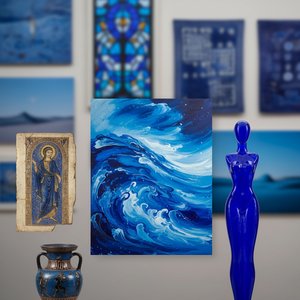
The Allure of Azure: Exploring the Symbolic & Aesthetic Depths of Blue in Art History
Explore the rich history of blue in art! Discover its symbolism, from ancient pigments to modern masterpieces by Kandinsky & Seurat. Uncover the psychological impact and cultural meanings behind this captivating hue.

Blanco Sublime: Los 10 Cuadros Más Famosos Dominados por la Luz y el Color
Descubre los 10 cuadros blancos más emblemáticos de la historia del arte. Explora Monet, Van Gogh y Klimt, y su magistral uso de la luz y el color. Encuentra reproducciones de alta calidad e inspírate para tu decoración en .

Capturando la luz: Las 25 obras maestras más icónicas de Claude Monet
Explora las 25 obras maestras de Claude Monet y el impresionismo. ¡Descubre toda la colección en TopImpressionists.com!
Explore obras de arte organizadas por temas, estilos y características.


