Atelier — Envío gratuito a todo el mundo — Plazo de entrega: 2–6 semanas
De foto a pintura Lista de deseos Carrito
Vista previaVista previa Vista previa en RAVista previa en RA Encargar reproducción pintada a mano Encargar reproducción pintada a manoComprar descarga Comprar descarga CompartirCompartir
Ver detallesVer detalles Añadir a favoritos Añadir a favoritos DescargarDescargar Ver similaresVer similares RadiografíaRadiografía Presentación de diapositivasPresentación de diapositivas

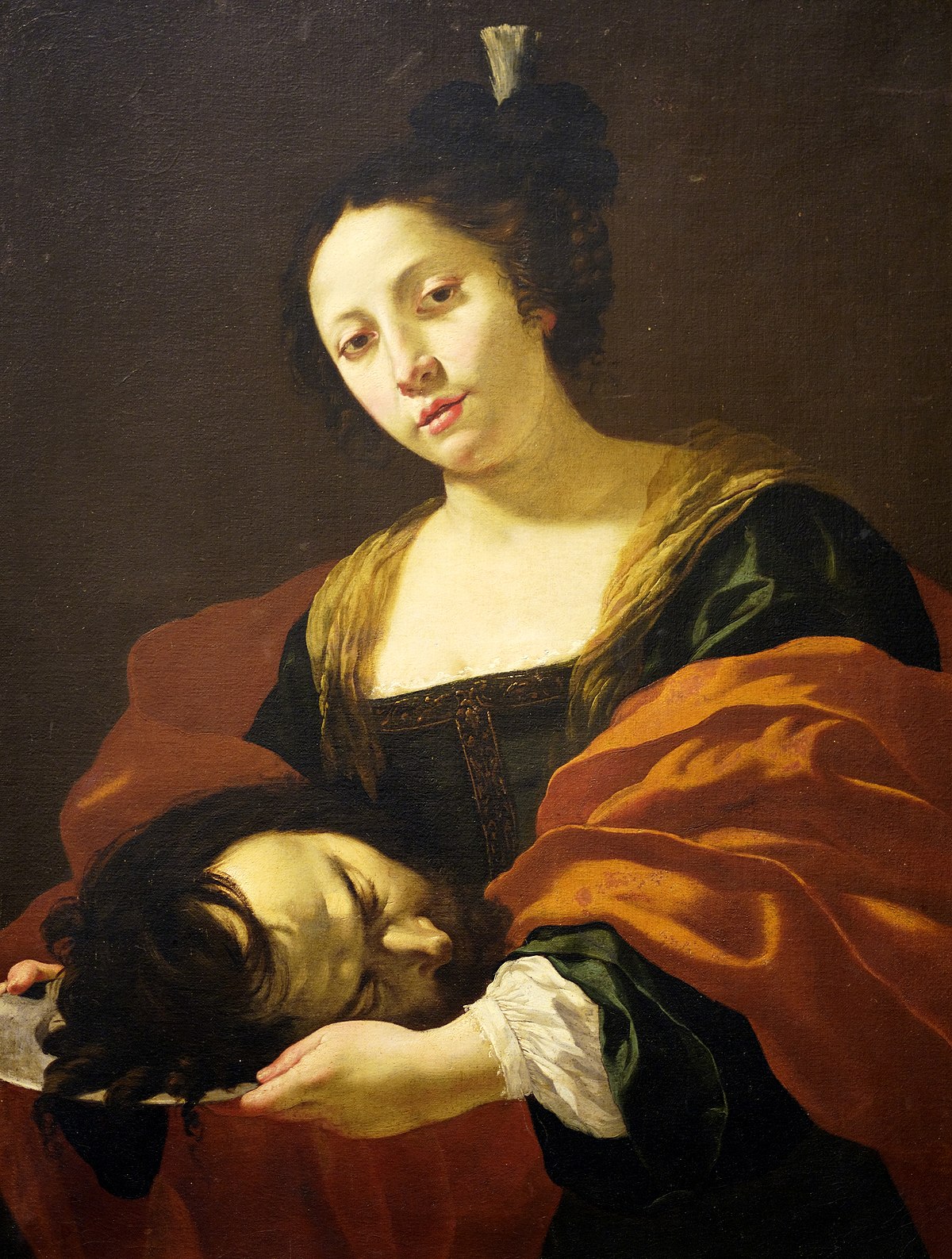
Salome

Franz Ritter von Stuck's "Salome" (1906) depicts a captivating dance of desire and tragedy, blending Symbolism with biblical drama. Explore the haunting beauty & dark narrative of this iconic masterpiece.

Descubre a Franz von Stuck (1863-1928): pintor y escultor simbolista alemán, famoso por sus escenas mitológicas, nudes seductores y estilo Art Nouveau. Influyó a Klee y Kandinsky.

Giclée / Impresión de arte

Impresiones giclée o en lienzo de calidad de museo con producción rápida y opciones de acabado flexibles. (Encargar reproducción pintada a mano Encargar reproducción pintada a manoComprar descarga Comprar descarga)

P118B $10
P118H $10
P118W $10
P438Z $10
P508JH $12
P508YH $12
P805H $10
P805Z $10
P919BZ $10
P919G $10
P919XJ $10
P959ZH $10
P968JZ $12
W106C $8
W218G $10
W218JH $8
W218Y $10
W307PJ $10
W316G $10
W316PJ $8
W316Y $10
W398PJ $8
W4111J $10
W500HY $15
W500JH $15
W692G $12
W849H $8
W940BG $15
W953PJ $8

Standard
custom
CM
INCH

Elija entre nuestros tamaños predefinidos que respetan las proporciones originales de la obra.

ancho
altura

Puede introducir sus propias dimensiones para adaptarse a un marco o espacio específico. Si el tamaño seleccionado no coincide con las proporciones de la imagen original, recortaremos la obra de arte o extenderemos la imagen con un borde con efecto espejo o de color sólido. Se enviará una maqueta digital para su aprobación antes de que comience la producción.
Tenga en cuenta que la vista previa en pantalla no refleja el recorte o la extensión real. Solo la maqueta mostrará con precisión la composición final.
Aunque existen tamaños personalizados, recomendamos seleccionar una dimensión de la lista predefinida para preservar las proporciones originales.

Envío a todo el mundo () en 2 semanas en lugar de las 4/5 semanas estándar. (21 agosto)

why_choose_icon
Envío exprés gratuito a todo el mundo
why_choose_icon
Lienzo de lino de alta calidad
why_choose_icon
Seguro de envío completo
why_choose_icon
Garantía de reembolso de aranceles aduaneros
why_choose_icon
Garantía de fidelidad cromática exacta
why_choose_icon
Política de devolución de 60 días (solo por defectos)
why_choose_icon
Garantía de devolución del 100% del dinero
why_choose_icon
Oferta por volumen

Precio total

$ 69

reproduction

Salome

Giclée / Impresión de arte

Tamaño de la reproducción

-

Precio total

$ 69

Datos clave

  • Title: Salome
  • Movement: Symbolism
  • Influences: Arnold Böcklin
  • Dimensions: 92 x 114 cm
  • Notable elements: Dancer, severed head
  • Artistic style: Mythological, Dramatic
  • Year: 1906

Cuestionario de arte

Cada pregunta tiene una única respuesta correcta.

Pregunta 1:
What biblical event is depicted in Franz Ritter von Stuck’s ‘Salome’?
Pregunta 2:
Which artistic movement is most closely associated with Franz Ritter von Stuck’s style?
Pregunta 3:
What is the primary symbolic element present in the painting’s composition?
Pregunta 4:
In what year was Franz Ritter von Stuck’s ‘Salome’ painted?
Pregunta 5:
What is the significance of the platter presented by the servant in the painting?

Descripción de la pieza

The Enigmatic Dance: Unveiling Franz Ritter von Stuck’s “Salome”

Franz Ritter von Stuck's 1906 painting, "Salome," is not merely a depiction of a biblical episode; it’s a profoundly unsettling and intensely symbolic exploration of desire, power, and the dark undercurrents of human nature. Emerging from the fertile ground of German Symbolism, Stuck masterfully blends classical precision with the dreamlike logic of the subconscious, creating an image that continues to captivate and disturb over a century later. The painting’s immediate impact lies in its dramatic composition – a carefully orchestrated tableau of figures poised on the precipice of violence and obsession. The scene unfolds within a shadowy, almost claustrophobic space, dominated by a towering, ornate architecture suggesting both opulence and impending doom. This isn't a straightforward narrative; it’s an atmosphere saturated with tension, inviting viewers to contemplate the motivations and fates of those involved.

Salome by Franz Ritter von Stuck

A Symphony of Contrasts: Style, Technique, and Materiality

Stuck’s artistic style is immediately recognizable as a potent blend of Symbolism and Art Nouveau influences. The painting showcases his signature use of rich, jewel-toned colors – deep reds, emerald greens, and shimmering golds – applied with meticulous detail to create an opulent yet unsettling effect. His brushwork is deliberately expressive, employing visible strokes that contribute to the overall sense of drama and movement. Notice particularly the way he renders the textures: the velvet drapery, the polished surfaces of the architecture, and even the glistening skin of Salome herself – all are rendered with a tactile quality that draws the viewer into the scene. The painting was executed in oil on canvas, a medium that allowed Stuck to achieve both luminous color saturation and remarkable textural detail. The use of chiaroscuro—the dramatic contrast between light and shadow—further intensifies the emotional impact, highlighting key figures and obscuring others in an atmosphere of mystery and foreboding.

The Narrative Unfolds: Biblical Context and Symbolism

At its core, “Salome” depicts a pivotal moment from the New Testament – the fulfillment of Herodias’s vengeful plot against John the Baptist. However, Stuck doesn't offer a simple retelling of the story; instead, he delves into the psychological complexities of the characters and imbues the scene with layers of symbolic meaning. Salome herself is not portrayed as a seductive temptress but rather as a figure caught in a web of manipulation and driven by a primal desire for power. The presence of the dark servant, clutching John’s severed head on a platter, introduces an element of grotesque horror – a stark reminder of the brutal consequences of unchecked ambition. The architecture—a blend of Romanesque and Byzantine styles—suggests both grandeur and decay, mirroring the moral corruption at the heart of the narrative. The star-studded night sky serves as a backdrop to this drama, hinting at a realm beyond earthly concerns and perhaps suggesting a connection between life and death.

A “Prince of Art”: Stuck’s Legacy and Artistic Significance

Franz Ritter von Stuck was more than just an artist; he was a cultural phenomenon. Nicknamed the "Prince of Art" during his lifetime, he bridged the gap between academic tradition and the burgeoning currents of modernism. His work explored themes of sin, beauty, and the subconscious with a boldness and emotional intensity that resonated deeply with audiences at the turn of the 20th century. Villa Stuck, his own architectural masterpiece in Munich, stands as a testament to his artistic vision—a lavishly decorated space filled with sculptures, paintings, and intricate details reflecting his fascination with mythology, symbolism, and the darker aspects of human experience. “Salome” is arguably one of his most enduring works, demonstrating his mastery of dramatic composition, evocative color palettes, and profound psychological insight. It remains a powerful and unsettling image that continues to provoke discussion and inspire interpretation.


Biografía del artista

Franz Ritter von Stuck: Una Vida en Arte

Franz Ritter von Stuck (1863-1928) fue un influyente pintor, escultor, grabador y arquitecto alemán. Se erige como una figura clave del movimiento Simbolista y un contribuyente importante a la transición del historicismo del siglo XIX al arte moderno.

Vida Temprana y Educación

Nacido el 23 de febrero de 1863, en Tettenweis, Baviera (Alemania), la vida temprana de Stuck estuvo impregnada de tradiciones rurales. Inicialmente tenía la intención de seguir los pasos de su padre como guardabosques, pero demostró una aptitud temprana para el arte. Su formación artística formal comenzó en la Kunstgewerbeschule (Escuela de Artes Aplicadas) de Múnich de 1878 a 1881, estudiando bajo Ferdinand Barth. Luego continuó su educación en la Academia de Bellas Artes de Múnich (1882-1884), donde estuvo influenciado por Arnold Böcklin, cuyas pinturas evocadoras y mitológicas impactaron profundamente en la dirección artística de Stuck.

Ascenso a la Prominencia y Desarrollo Artístico

Stuck rápidamente ganó reconocimiento por sus obras dramáticas y a menudo sensuales. Su punto de inflexión llegó con El Guardián del Paraíso (1889), expuesto en el Palacio de Cristal de Múnich, lo que le valió una medalla de oro. Esta pintura mostraba su estilo emergente: una combinación de precisión clásica, temas mitológicos y tonalidades simbolistas. En 1892, cofundó la Munich Secession, un grupo de artistas que rompieron con las convenciones artísticas conservadoras para promover el arte moderno. El mismo año creó su primera escultura, Atleta. Al año siguiente, El Pecado (1893) consolidó su reputación como maestro del arte simbolista.

Temas Clave e Influencias

La obra de Stuck se caracteriza por varios temas recurrentes:

  • Mitología: A menudo se inspiraba en los mitos griego, romano y bíblico, reimaginando estas narrativas con un toque personal y a menudo dramático.
  • Sensualidad y la Mujer Fatal: Sus pinturas a menudo presentan figuras femeninas poderosas y seductoras – notablemente Salome – que encarnan temas de deseo, peligro y ambigüedad moral.
  • Influencias Clásicas: La técnica meticulosa de Stuck y su énfasis en la precisión anatómica reflejan una profunda apreciación por el arte clásico.

Además de Böcklin, Stuck se vio influenciado por los Prerrafaelitas y la obra de Gustave Moreau. A su vez, Stuck impactó profundamente a las generaciones posteriores de artistas.

Enseñanza y Reconocimiento

En 1895, Stuck comenzó a enseñar pintura en la Academia de Múnich, convirtiéndose en un instructor muy respetado. Entre sus estudiantes notables se encontraban Paul Klee, Hans Purrmann y Josef Albers. Su influencia se extendió más allá de las instrucciones técnicas; animó a sus estudiantes a explorar sus propias visiones artísticas individuales. Fue nombrado caballero el 9 de diciembre de 1905, convirtiéndose en “Ritter von Stuck”, un testimonio de su creciente prestigio. Recibió numerosas condecoraciones y honores durante Europa.

Logros Importantes y Obras Notables

  • La Primavera (1886): Una representación vibrante de la estación, que muestra su dominio temprano del color y la composición.
  • Dissonancia (1893): Una representación inquietante de una mujer tocando el violín, que encarna las emociones turbulentas.
  • Salome (varias versiones): Tal vez su obra más famosa, que representa la historia bíblica con sensualidad y profundidad psicológica impactantes.
  • Atleta (1892): Una poderosa escultura que demuestra su habilidad en la forma tridimensional.

Significado Histórico y Legado

Franz von Stuck desempeñó un papel crucial para dar forma al movimiento Simbolista en Alemania. Su obra conectó el camino entre la tradición académica y la experimentación artística moderna. A menudo se le conocía como “El Príncipe del Arte” durante su vida, reflejando su inmenso popularidad e influencia. Su Villa Stuck en Múnich, ahora un museo, es un testimonio de su vida y obra, que ofrecen información sobre su visión artística y el ambiente cultural de finales del siglo XIX y principios del XX en Alemania. Su legado continúa inspirando a artistas y entusiastas del arte hoy en día.

franz ritter von stuck

franz ritter von stuck

1863 - 1928 , Alemania

Datos clave

  • Artistic Movement Or Style: Simbolismo
  • Artists Who Influenced This Artist:
    • Arnold Böcklin
    • Pre-Raphaelitas
    • Gustave Moreau
  • Date Of Birth: 23 febrero 1863
  • Date Of Death: 30 agosto 1928
  • Full Name: Franz Ritter von Stuck
  • Nationality: Alemania
  • Notable Artworks:
    • El Guardián del Paraíso
    • Salome
    • El Pecado
    • Athleta
  • Place Of Birth: Tettenweis, Alemania
Explore obras de arte organizadas por temas, estilos y características.
© TopImpressionists.com — Todos los derechos reservados  ·  100% Pintado a mano · Satisfacción garantizada · Envío gratuito a todo el mundo
VISA MASTERCARD