Atelier — Envío gratuito a todo el mundo — Plazo de entrega: 2–6 semanas
De foto a pintura Lista de deseos Carrito
Vista previaVista previa Vista previa en RAVista previa en RA Comprar pintura hecha a mano Comprar pintura hecha a manoComprar imagen Comprar imagen CompartirCompartir
Ver detallesVer detalles Añadir a favoritos Añadir a favoritos DescargarDescargar Ver similaresVer similares RadiografíaRadiografía Presentación de diapositivasPresentación de diapositivas

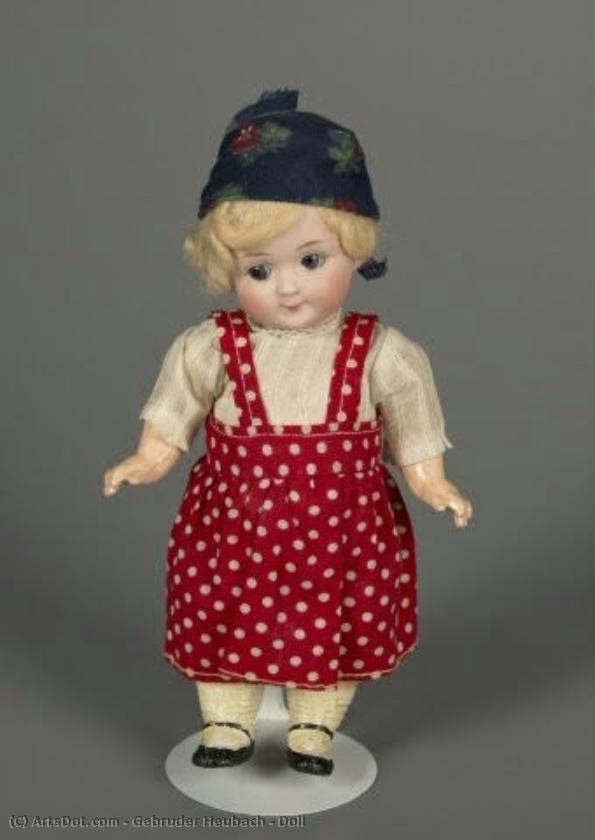
Doll

Descubre Gebrüder Heubach (Ernst Heubach), fabricantes alemanes de muñecas bisquelas de porcelana de primera calidad en Köppelsdorf, Sajonia Anhalt. Conocidos por sus rasgos detallados y sello de ferradura único, sus obras son muy buscadas por coleccionistas aficionados.

Giclée / Impresión de arte

Impresiones giclée o en lienzo de calidad de museo con producción rápida y opciones de acabado flexibles. (Comprar pintura hecha a mano Comprar pintura hecha a manoComprar imagen Comprar imagen)

Standard
custom
CM
INCH

Elija entre nuestros tamaños predefinidos que respetan las proporciones originales de la obra.

ancho
altura

Puede introducir sus propias dimensiones para adaptarse a un marco o espacio específico. Si el tamaño seleccionado no coincide con las proporciones de la imagen original, recortaremos la obra de arte o extenderemos la imagen con un borde con efecto espejo o de color sólido. Se enviará una maqueta digital para su aprobación antes de que comience la producción.
Tenga en cuenta que la vista previa en pantalla no refleja el recorte o la extensión real. Solo la maqueta mostrará con precisión la composición final.
Aunque existen tamaños personalizados, recomendamos seleccionar una dimensión de la lista predefinida para preservar las proporciones originales.

Envío a todo el mundo () en 2 semanas en lugar de las 4/5 semanas estándar. (12 agosto)

why_choose_icon
Envío exprés gratuito a todo el mundo
why_choose_icon
Lienzo de lino de alta calidad
why_choose_icon
Seguro de envío completo
why_choose_icon
Garantía de reembolso de aranceles aduaneros
why_choose_icon
Garantía de fidelidad cromática exacta
why_choose_icon
Política de devolución de 60 días (solo por defectos)
why_choose_icon
Garantía de devolución del 100% del dinero
why_choose_icon
Oferta por volumen

Precio total

$ 69

reproduction

Doll

Giclée / Impresión de arte

Tamaño de la reproducción

-

Precio total

$ 69

Descripción de la pieza

At the beginning of the 20th century, some dolls

Biografía del artista

Gebruder Heubach: Masters of Bisque Porcelain Dolls

Ernst Heubach (1858-1932) stands as a pivotal figure in the history of German toy manufacturing, specifically renowned for his contribution to the exquisite art of bisque porcelain dolls. Based in Köppelsdorf, Thuringia—a region steeped in tradition and nestled near Sonneberg’s famed Toy Museum—the Heubach brothers established their workshop in 1858, initially focusing on crafting delicate porcelain figurines alongside tableware items. However, it was the production of bisque dolls from 1885 onwards that cemented their legacy as innovators and artisans of unparalleled quality.

Early Years & Founding

Georg Christoph Heubach and Philipp Jakob Heubach inherited a modest porcelain factory from Wilhelm Liebmann in Lichte, Thuringia. Recognizing the potential for artistic expression beyond utilitarian ceramics, they embarked on a journey to elevate porcelain artistry, establishing Ernst Heubach Porzellanfabrik in 1876. This visionary decision marked the genesis of a remarkable enterprise—one destined to reshape the landscape of German toy production and solidify its place within the annals of ceramic art history. The brothers’ ambition wasn't merely commercial; it was fueled by a profound desire to imbue their creations with beauty and sophistication, mirroring the artistic spirit of their time.

Innovation & Expansion

Driven by entrepreneurial spirit and bolstered by collaborations with skilled sculptors from Sonneberg’s Art School, the brothers swiftly broadened their horizons. They embraced new technologies—particularly the introduction of bisque firing—allowing for unprecedented detail and realism in doll faces. This pioneering approach captivated the attention of influential doll makers like Cuno & Otto Dressel and Adolf Wislizenus, propelling Ernst Heubach Porzellanfabrik to the forefront of its era. The meticulous application of bisque firing—a technique demanding precise temperature control and skillful craftsmanship—transformed porcelain clay into a medium capable of capturing subtle nuances of expression and texture, elevating doll artistry to new heights.

The Doll Mark: A Symbol of Excellence

A distinctive horseshoe mark, symbolizing prosperity and craftsmanship, became synonymous with Heubach dolls. This emblem—often found stamped on the porcelain heads—served as a testament to their unwavering commitment to quality standards and artistic excellence. The mark’s presence instantly identified these dolls as creations of exceptional artistry—a visual declaration of pride in meticulous production methods and an enduring legacy of German ceramic tradition. It represented more than just branding; it embodied the brothers' dedication to upholding the highest levels of craftsmanship and ensuring that every Heubach doll bore witness to their unwavering pursuit of perfection.

Notable Collaborations & Doll Ranges

Gebrüder Heubach didn’t operate in isolation; they actively engaged with fellow artisans, fostering a vibrant ecosystem of doll production. Their dolls graced the workshops of Cuno & Otto Dressel, Johannes Gottilf Dietich, Seyfarth & Reinhardt and Adolf Wislizenus, resulting in diverse collections reflecting stylistic influences from across Europe. These partnerships weren’t merely transactional; they represented a shared commitment to artistic innovation—a collective effort to push the boundaries of doll artistry and celebrate the collaborative spirit that characterizes true creative achievement. Collaborations with sculptors like Armand Marseille ensured that their dolls captured the aesthetic sensibilities of their time, cementing Ernst Heubach Porzellanfabrik's reputation as a beacon of excellence within the German toy industry.

Legacy & Decline

Despite facing challenges during World War I and subsequent political upheaval—including nationalization by East Germany—Gebruder Heubach persevered. The firm’s final incarnation, Vereinigte Köppelsdorf Porzellanfabrik vorm. Armand Marseille und Ernst Heubach, continued to produce dolls until 1932. Though the workshop ceased operations during the Nazi era, its enduring influence on German toy history remains undeniable. Today, Gebruder Heubach dolls are treasured possessions among antique doll enthusiasts—a testament to the brothers’ unwavering commitment to artistic excellence and their pioneering role in shaping the history of German toy manufacturing. Their creations continue to captivate audiences with their beauty and artistry, securing their place as icons of a bygone era.
Ernst Heubach

Ernst Heubach

1858 - 1932 , Alemania

Datos clave

  • Artistic Movement Or Style: Fabricación de muñecas de porcelana blanca
  • Artists Or Movements Influenced By This Artist: ['Cuno & Otto Dressel']
  • Artists Who Influenced This Artist: ['Armand Marseille']
  • Date Of Birth: 1858
  • Full Name: Georg Christoph Heubach & Philipp Jakob Heubach
  • Nationality: Alemana
  • Notable Artworks:
    • Jutta
    • Igodi
    • Revalo
  • Place Of Birth: Köppelstedt, Alemania
© TopImpressionists.com — Todos los derechos reservados  ·  100% Pintado a mano · Satisfacción garantizada · Envío gratuito a todo el mundo
VISA MASTERCARD