Atelier — Envío gratuito a todo el mundo — Plazo de entrega: 2–6 semanas
Lista de deseos Carrito
Encargar reproducción Encargar reproducciónComprar imagen en alta resolución Comprar imagen en alta resolución EnviarEnviar
DetallesDetalles Añadir a favoritos Añadir a favoritos DescargarDescargar SimilaresSimilares RadiografíaRadiografía Presentación de diapositivasPresentación de diapositivas

Sunset

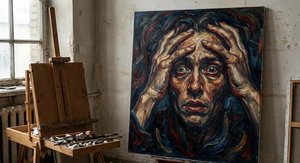
Experience the raw emotion of Georges Rouault's 'The Two Figures'! This Expressionistic masterpiece captures isolation and spirituality with bold colors & thick impasto – a powerful, haunting work.

Descubre a Georges Rouault (1871-1958), pintor francés de arte expresionista y religioso. Explora su técnica inspirada en vidrieras y legado artístico del siglo XX.

Giclée / Impresión de arte

Impresión giclée o en lienzo de calidad de museo con producción rápida y opciones de acabado flexibles.

P118B $10
P118H $10
P118W $10
P438Z $10
P508JH $12
P508YH $12
P805H $10
P805Z $10
P919BZ $10
P919G $10
P919XJ $10
P959ZH $10
P968JZ $12
W106C $8
W218G $10
W218JH $8
W218Y $10
W307PJ $10
W316G $10
W316PJ $8
W316Y $10
W398PJ $8
W4111J $10
W500HY $15
W500JH $15
W692G $12
W849H $8
W940BG $15
W953PJ $8

Standard
custom
CM
INCH

Elija entre nuestros tamaños predefinidos que respetan las proporciones originales de la obra.

ancho
altura

Puede introducir sus propias dimensiones para adaptarse a un marco o espacio específico. Si el tamaño seleccionado no coincide con las proporciones de la imagen original, recortaremos la obra de arte o extenderemos la imagen con un borde con efecto espejo o de color sólido. Se enviará una maqueta digital para su aprobación antes de que comience la producción.
Tenga en cuenta que la vista previa en pantalla no refleja el recorte o la extensión real. Solo la maqueta mostrará con precisión la composición final.
Aunque existen tamaños personalizados, recomendamos seleccionar una dimensión de la lista predefinida para preservar las proporciones originales.

Entrega mundial () en 2 semanas en lugar de las 4/5 semanas estándar. (21 julio)

why_choose_icon
Envío exprés gratuito a todo el mundo
why_choose_icon
Lienzo de lino de alta calidad
why_choose_icon
Seguro de envío total
why_choose_icon
Garantía de reembolso de impuestos aduaneros
why_choose_icon
Garantía de fidelidad de color
why_choose_icon
Política de devolución de 60 días (solo por defectos)
why_choose_icon
Garantía de devolución del 100% del dinero
why_choose_icon
Descuento por pedido múltiple

Precio total

-

reproduction

Sunset

Giclée / Impresión de arte

Tamaño de la reproducción

-

Precio total final

-

Datos clave

  • Artist: Georges Rouault
  • Artistic style: Expressionistic
  • Notable elements: Impasto, dark contours
  • Influences:
    • Medieval Art
    • Fauvism
  • Subject or theme: Human suffering
  • Movement: Expressionism
  • Title: The Two Sisters

Test de arte

Solo hay una respuesta correcta para cada pregunta.

Pregunta 1:
Georges Rouault is most closely associated with which artistic movement?
Pregunta 2:
The dominant color palette in this artwork, as described, emphasizes:
Pregunta 3:
Considering Rouault's background and influences, what is a likely symbolic interpretation of the towering structures in the artwork?
Pregunta 4:
The thick application of paint described (impasto) suggests which technique?
Pregunta 5:
What historical event significantly shaped Rouault's early life and artistic perspective?

Descripción de la obra

A Portrait of Human Vulnerability: Introducing ‘Figures in a Landscape’

Georges Rouault's ‘Figures in a Landscape,’ painted around 1905, is not merely a depiction of two individuals; it’s a profound meditation on human existence – a poignant exploration of vulnerability, isolation, and the weight of unseen forces. The painting immediately arrests the viewer with its stark contrasts: the deep, almost oppressive darkness of the background punctuated by the luminous, yet shadowed, forms of the figures. It's a work born from Rouault’s deeply personal experiences, shaped by his childhood amidst Parisian turmoil and a fervent Catholic faith that informed his artistic vision for decades. This isn’t a celebration of life; it’s an honest confrontation with its darker aspects – a recognition of our inherent fragility within a vast and often indifferent universe.

Georges Rouault's 'Figures in a Landscape'

Expressionistic Roots: Style and Technique

Rouault’s style, firmly rooted in the burgeoning Expressionist movement of the early 20th century, is immediately recognizable. He rejects naturalism, instead prioritizing emotional impact over photographic accuracy. The figures themselves are rendered with a deliberate distortion – elongated limbs, simplified forms – contributing to their sense of unease and vulnerability. The artist’s masterful use of impasto—thickly applied paint—adds a tactile quality to the work, creating a surface that seems to pulse with emotion. Notice how Rouault employs bold, dark outlines to frame each figure, isolating them within the darkness and intensifying their presence. This technique, inherited from his stained-glass apprenticeship, creates a powerful visual barrier, reinforcing the sense of separation and perhaps even confinement.

  • Impasto Technique: Thickly applied paint creates texture and emphasizes emotional intensity.
  • Bold Outlines: Dark contours isolate figures and heighten their impact.
  • Simplified Forms: Distorted shapes contribute to the painting’s unsettling atmosphere.

Symbolism of Shadow and Light

The dramatic interplay of light and shadow is central to the painting's symbolic weight. The warm, golden glow emanating from the upper left corner – likely representing a sun or moon – offers a glimmer of hope, yet it’s immediately swallowed by the enveloping darkness. This creates a powerful tension, suggesting that even in moments of illumination, despair and uncertainty remain. Rouault frequently employed this technique to represent spiritual struggle—the constant battle between faith and doubt, light and shadow within the human soul. The towering structures behind the figures could be interpreted as representing societal pressures, religious institutions, or perhaps simply the overwhelming nature of existence itself. The figures’ bowed postures suggest a sense of submission, but also a quiet defiance.

A Legacy of Empathy: Rouault's Artistic Vision

Georges Rouault’s ‘Figures in a Landscape’ stands as a testament to his unwavering commitment to portraying the human condition with unflinching honesty. His work resonates deeply because it doesn’t shy away from difficult emotions – sorrow, loneliness, and spiritual questioning. It is a painting that demands contemplation, inviting viewers to confront their own vulnerabilities and grapple with the fundamental mysteries of life. Rouault's influence extends far beyond his immediate contemporaries; he paved the way for later generations of artists who sought to express profound emotional truths through bold color and expressive form. Today, reproductions of this powerful work offer a unique opportunity to experience Rouault’s artistic vision firsthand – a poignant reminder of our shared humanity.


Biografía del artista

Primeros años y formación

Georges Henri Rouault, un pintor, dibujante e impresor francés, nació en París el 27 de mayo de 1871, en una familia humilde. Su madre fomentó su amor por las artes, y a los 14 años comenzó un aprendizaje como vidrieros y restaurador, que duró hasta 1890. Esta experiencia temprana probablemente influyó en su estilo pictórico maduro, caracterizado por el contorneado negro intenso y los colores brillantes, reminiscente del vidrio emplomado.

Trayectoria artística

Durante su aprendizaje, Rouault asistió a clases nocturnas en la Escuela de Bellas Artes y posteriormente ingresó en la École des Beaux-Arts en 1891, donde estudió bajo Gustave Moreau. Los primeros trabajos de Rouault muestran un simbolismo en el uso del color, reflejando la influencia de Moreau. Tras la muerte de Moreau en 1898, Rouault fue nombrado curador del Museo Moreau en París.

Fauvismo y Expresionismo

Rouault conoció a artistas notables como Henri Matisse, Albert Marquet, Henri Manguin y Charles Camoin, lo que le llevó al movimiento fauvista, con Matisse como su líder. Su uso de contrastes marcados y emotividad estuvo influenciado por Vincent van Gogh. Sus caracterizaciones de personalidades grotescas exageradas inspiraron a los pintores expresionistas.

Obras destacadas y exposiciones

  • En 1891, Rouault pintó *El camino del Calvario*.
  • A partir de 1895, participó en importantes exhibiciones públicas, incluido el Salon d'Automne, que ayudó a fundar.
  • En 1907, Rouault comenzó una serie de pinturas dedicadas a cortes, payasos y prostitutas, interpretadas como crítica moral y social.

Post-Impresionismo y Legado

Georges Rouault se dedicó a la pintura desde 1917, con la fe cristiana informando su obra. Creó diseños para el ballet *El hijo pródigo* de Diaghilev en 1929. En 1930, comenzó a exponer en países extranjeros, principalmente en Londres, Nueva York y Chicago. Rouault murió en París el 13 de febrero de 1958, dejando atrás un legado como uno de los artistas cristianos más apasionados del siglo XX. Importante: Al final de su vida, Rouault quemó 300 de sus cuadros, estimados en más de quinientos millones de francos hoy en día.

Georges Rouault

Georges Rouault

1871 - 1958 , Francia

Datos clave

  • Artistas Que Influyeron:
    • Gustave Moreau
    • Vincent van Gogh
  • Fecha De Fallecimiento: 13 de febrero de 1958
  • Fecha De Nacimiento: 27 de mayo de 1871
  • Influenciado Artistas: ['Expresionistas']
  • Lugar De Nacimiento: París, Francia
  • Movimiento Artístico: Expresionismo, Fauvismo
  • Nacionalidad: Francesa
  • Nombre Completo: Georges Rouault
  • Obras Notables:
    • El camino a Calvario
    • Retratos de cortesanos
Explore obras de arte organizadas por temas, estilos y características.
© TopImpressionists.com — Todos los derechos reservados  ·  100% Pintado a mano · Satisfacción garantizada · Envío gratuito a todo el mundo
VISA MASTERCARD