


 Vista previa
 Compartir
 Compartir
 Ver detalles
 Guía
Guía

 Descargar
 Ver artículos similares
 Radiografía
 Presentación de diapositivas
 Estadísticas
North-South
 Acrylic On Canvas
- WallArt
- Cubism
 46.0 x 33.0 cm
 Galleria Civica di Arte Moderna e Contemporanea Torino
Discover Gino Severini’s ‘North-South,’ a vibrant Futurist masterpiece capturing Parisian dynamism. Explore Cubist forms & motion in this 1912 oil painting – a unique art investment.
 Leer más
Descubre a Gino Severini (1883-1966), pintor italiano clave en el Futurismo y Cubismo. Explora su arte dinámico, capturando movimiento y la vida moderna.
La obra de arte que se muestra en esta página está protegida por las leyes de propiedad intelectual, lo que significa que no podemos crear ni vender legalmente una reproducción idéntica. Esta protección se hace cumplir en virtud de acuerdos internacionales como el Convenio de Berna y por las leyes nacionales, incluidas aquellas establecidas por el Ley de derechos de autor de los EE. UU. - Título 17.
Este método cumple plenamente con las normativas de derechos de autor, ya que no implica la copia ni la duplicación de la obra protegida. En su lugar, se trata de una reinterpretación creativa: una nueva pintura influenciada por la original, pero que no es idéntica a ella.
Giclée / Impresión de arte
Impresiones giclée o en lienzo de calidad de museo con producción rápida y opciones de acabado flexibles. ( Encargar reproducción pintada a mano Ver versión en imagen digital)




P118B €10

P118H €10

P118W €10

P438Z €10

P508JH €12

P508YH €12

P805H €10

P805Z €10

P919BZ €10

P919G €10

P919XJ €10

P959ZH €10

P968JZ €12

W106C €8

W218G €10

W218JH €8

W218Y €10

W307PJ €10

W316G €10

W316PJ €8

W316Y €10

W398PJ €8

W4111J €10

W500HY €15

W500JH €15

W692G €12

W849H €8

W940BG €15

W953PJ €8




Estándar
personalizado
CM
INCH
Elija entre nuestros tamaños predefinidos que respetan las proporciones originales de la obra.
Loading sizes...

ancho
altura
Puede introducir sus propias dimensiones para adaptarse a un marco o espacio específico. Si el tamaño seleccionado no coincide con las proporciones de la imagen original, recortaremos la obra de arte o extenderemos la imagen con un borde con efecto espejo o de color sólido. Se enviará una maqueta digital para su aprobación antes de que comience la producción.
Tenga en cuenta que la vista previa en pantalla no refleja el recorte o la extensión real. Solo la maqueta mostrará con precisión la composición final.
Aunque existen tamaños personalizados, recomendamos seleccionar una dimensión de la lista predefinida para preservar las proporciones originales.
Envío a todo el mundo () en 2 semanas en lugar de las 4/5 semanas estándar. (12 octubre)

Envío exprés gratuito a todo el mundo

Lienzo de lino de alta calidad

Seguro de envío completo

Garantía de reembolso de impuestos aduaneros

Garantía de fidelidad cromática exacta

Política de devolución de 100 días (solo por defectos)

Garantía de devolución del 100% del dinero

Oferta por volumen
 La opción de vidrio solo está disponible en tamaños inferiores a 110 cm.

North-South
Giclée / Impresión de arte
Tamaño de la reproducción
-


Precio total
€ 59
A Symphony of Motion: Gino Severini’s “North-South”
Gino Severini's "North-South," painted in 1912, isn’t merely a depiction of a Parisian marketplace; it’s an exhilarating embodiment of the Futurist spirit – a visual explosion capturing the dynamism and frenetic energy of modern urban life. Born in Cortona, Italy, in 1883, Severini initially embraced Divisionism before being swept into the revolutionary currents of Futurism, a movement that sought to dismantle traditional artistic conventions and celebrate speed, technology, and the raw power of the industrial age. This painting represents a pivotal moment in his career, showcasing a shift towards a more synthetic approach, heavily influenced by Cubist principles while retaining the core Futurist obsession with capturing fleeting moments of intense motion. The work immediately transports the viewer into a vibrant, almost overwhelming scene – a sensory overload rendered with remarkable precision and emotional intensity.Deconstructing Reality: Style and Technique
Severini’s style in “North-South” is undeniably Cubist, yet distinctly Futurist. He employs what's known as "simultaneous view," a technique pioneered by Futurists like Boccioni, where multiple perspectives are presented simultaneously within a single composition. This creates an illusion of movement and depth, mimicking the experience of navigating a bustling city street. The painting’s fragmented forms – the overlapping stalls, the blurred figures, the fractured signage – aren't simply stylistic choices; they represent a deliberate attempt to break down traditional spatial relationships and convey the sensation of speed and disorientation inherent in urban environments. Notice how the artist utilizes sharp, angular lines to define architectural elements and create a sense of dynamism, contrasting with the softer, more rounded forms of the human figures. The application of paint is equally significant; Severini employs broken brushstrokes and layered glazes, building up texture and creating a palpable sense of surface – you can almost feel the heat radiating from the marketplace and hear the clamor of voices.A Marketplace of Modernity: Historical Context
“North-South” was created during a period of immense social and technological change in Europe. The rise of industrialization, the proliferation of railways and automobiles, and the rapid growth of cities were fundamentally altering people’s lives and perceptions of space and time. Futurism, born out of this context, sought to capture these changes on canvas, rejecting the past and embracing the future with a fervent enthusiasm. Severini's choice of subject – a busy marketplace in Pigalle, a district known for its entertainment venues and vibrant nightlife – is particularly revealing. It’s not simply a snapshot of commerce; it’s a microcosm of modern urban life, teeming with activity, noise, and sensory stimulation. The inclusion of signs like “METRO” and “SORTIE” further emphasizes the painting's connection to the burgeoning infrastructure of Paris, highlighting the city’s role as a hub of innovation and progress.Symbolism in Motion: Interpreting the Details
Beyond its immediate visual impact, "North-South" is rich with symbolic meaning. The fragmented forms can be interpreted as representing the breakdown of traditional values and social structures under the pressures of modernity. The blurred figures suggest the anonymity and alienation experienced by individuals within a rapidly changing urban landscape. Even the seemingly random arrangement of objects – the fruits, vegetables, and merchandise displayed on the stalls – contributes to the painting’s overall sense of chaos and dynamism. The prominent signage, particularly “PIGALLE,” hints at the district's reputation as a center of entertainment and vice, adding another layer of complexity to the scene. The title itself, "North-South," subtly references the intersecting paths of movement within the city – the flow of people, goods, and information that define modern urban life.A Legacy of Velocity: Emotional Impact
Ultimately, “North-South” is a powerfully evocative work of art that captures the exhilarating and disorienting experience of navigating a rapidly changing world. It’s not a comfortable or serene scene; it's deliberately jarring and unsettling, reflecting the anxieties and uncertainties of modern life. Yet, within this chaos lies a sense of energy and vitality – a celebration of speed, innovation, and the relentless pursuit of progress. Severini masterfully translates these complex emotions onto canvas, creating an artwork that continues to resonate with viewers today, reminding us of the transformative power of art to capture the spirit of its time. It remains a testament to the Futurist vision—a bold declaration of modernity’s frenetic beauty.Preguntas y respuestas
¿Qué técnica se utilizó para "North-South" de Gino Severini?
Gino Severini utilizó la técnica de Acrylic On Canvas para "North-South". La técnica define la naturaleza material de la obra original.
¿A qué corriente artística pertenece "North-South" de Gino Severini?
"North-South" es una obra de Cubism. El movimiento indica la tradición artística de la que forma parte la obra.
¿Dónde puedo encontrar una guía de "North-South"?
La página Guía de "North-South" de Gino Severini ofrece una ficha informativa imprimible de dos hojas: la obra con su tabla de identidad, una línea de tiempo por décadas que la sitúa en la vida del artista, otras obras del mismo autor, la paleta de colores medida y citas listas para copiar en cuatro estilos diferentes.
¿De qué está hecho "North-South" y en qué estilo se encuentra?
En "North-South", la técnica de Acrylic On Canvas se encuentra con el movimiento Cubism.
¿Qué tamaño de reproducción se sugiere para "North-South" de Gino Severini?
El tamaño de impresión recomendado para "North-South" de Gino Severini es Medium.
¿Hay obras similares a "North-South"?
Las obras similares a "North-South" se encuentran listadas en la página de Similares de la obra.
¿Cuáles son los derechos de reproducción de "North-South" en Galleria Civica di Arte Moderna e Contemporanea Torino?
La obra original "North-South" se encuentra en Galleria Civica di Arte Moderna e Contemporanea Torino y la pieza es aún protegido por derechos de autor.
¿Dónde puedo ver el original de "North-South" de Gino Severini?
"North-South" de Gino Severini se encuentra en exhibición en Galleria Civica di Arte Moderna e Contemporanea Torino, Turín, Italia. La información del museo se refiere a la obra original, no a reproducciones.
Biografía del artista
Primeros Años y Comienzos Artísticos
Gino Severini nació el 7 de abril de 1883 en Cortona, Italia, en una familia modesta; su padre era un funcionario judicial menor y su madre una costurera. Su educación temprana tuvo lugar en la Scuola Tecnica de Cortona hasta que él y varios compañeros fueron expulsados por intentar robar exámenes a los quince años. Este evento marcó el fin de su escolarización formal. A pesar de este contratiempo, Severini continuó persiguiendo sus intereses artísticos de forma independiente mientras trabajaba como empleado de una compañía naviera. Se mudó a Roma en 1899, donde comenzó a tomar clases de arte y desarrolló un interés temprano en el Divisionismo, influenciado por artistas como Giacomo Balla y Umberto Boccioni. Estos años formativos sentaron las bases para su posterior participación en el movimiento futurista.La Aceptación del Futurismo
La trayectoria artística de Severini dio un giro significativo cuando fue invitado a unirse a Filippo Tommaso Marinetti y Umberto Boccioni en el floreciente movimiento futurista. Se convirtió en firmante del *Manifiesto de los Pintores Futuristas* en 1910, alineándose con los ideales revolucionarios que celebraban el dinamismo, la velocidad, la tecnología y la modernidad. Severini desempeñó un papel crucial en la promoción del Futurismo a nivel internacional, ayudando a organizar la primera exposición fuera de Italia en la Galerie Bernheim-Jeune en París en 1912. Su obra durante este período, como *Norte-Sur* (1915), ejemplifica el énfasis futurista en capturar el movimiento y la energía a través de formas fragmentadas y colores vibrantes. La interpretación del Futurismo por parte de Severini a menudo se centró en representar escenas urbanas y bailarines, reflejando su interés en retratar la vida moderna y sus ritmos.Estilo e Influencias: Cubismo y Más Allá
El estilo artístico de Severini se caracterizó por una mezcla única de influencias. Aunque profundamente arraigado en la estética futurista, su obra también demostró un compromiso con el Cubismo, particularmente después de visitar París en 1911. Incorporó elementos de abstracción geométrica y perspectivas fragmentadas en sus pinturas, creando composiciones dinámicas que transmitían una sensación de simultaneidad y movimiento. Severini estuvo influenciado por artistas como Umberto Boccioni, Carlo Carrà y Giovanni Francesco Romanelli. Sus obras notables como *Vals* muestran esta fusión de estilos. Después de la Primera Guerra Mundial, el estilo de Severini se desplazó hacia el Neoclasicismo y el "retorno al orden", reflejando una tendencia más amplia en el arte europeo. Exploró temas y formas clásicas mientras retenía su uso distintivo del color y la composición.Años Posteriores y Legado
Tras la guerra, Severini continuó experimentando con varios medios artísticos, incluyendo mosaico y fresco. Dividió su tiempo entre París y Roma, produciendo obras que reflejaban tanto su herencia italiana como sus experiencias parisinas. Escribió extensamente sobre teoría del arte, contribuyendo al discurso en torno al modernismo. Gino Severini murió en París el 26 de febrero de 1966, a la edad de 83 años. Su legado como figura clave en el movimiento futurista y un importante contribuyente al arte italiano del siglo XX perdura. Sus pinturas se encuentran ahora en museos destacados de todo el mundo, incluyendo la Galleria Civica di Arte Moderna en Venecia, testimonio de su impacto duradero en el desarrollo del arte moderno.
Gino Severini
1883 - 1966 , Italia
Datos clave
- Artistas Influenciados: ['Movimiento Futurista']
- Artistas Que Influyeron:
- Giacomo Balla
- Umberto Boccioni
- Fecha De Fallecimiento: 26 de febrero de 1966
- Fecha De Nacimiento: 7 de abril de 1883
- Lugar De Nacimiento: Cortona, Italia
- Movimiento Artístico:
- Futurismo
- Cubismo
- Divisionismo
- Nacionalidad: Italiana
- Nombre Completo: Gino Severini
- Obras Notables:
- Norte-Sur
- Vals
- Autorretrato
Artículos relacionados

Fragmented Beauty: Exploring the Soul and Geometric Depth of Cubist Landscapes
Embark on a cultural journey through the soul of Cubist landscapes. Discover how masters like Braque and Rivera redefined nature through geometric beauty, fragmented forms, and profound abstraction in this expert art-history exploration.
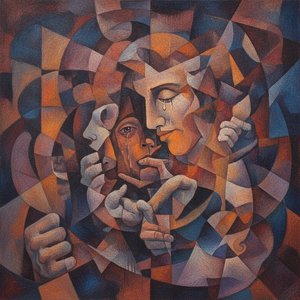
Beyond the Surface: Exploring the Emotional Depth of Cubist Expressionism
Discover the profound emotional resonance within Cubist Expressionism. Explore how fragmented forms and geometric abstraction convey deep human feeling through an expert art-historical lens for the discerning collector.

De tus fotos a obras maestras cubistas: Transforma tus recuerdos en un legado de vanguardia con nuestra tecnología de IA
Transforma tus fotos más preciadas en lienzos cubistas únicos. Unimos tecnología de IA avanzada con la maestría del óleo hecho a mano para crear legados artísticos atemporales. Calidad de museo y personalización absoluta para coleccionistas exigentes. ¡Crea tu obra maestra hoy!

Breaking Reality: A Sophisticated Guide to the Power of Cubist Fragmentation and Geometric Reimagination
Explore the profound depth of Cubist fragmentation. Our expert guide delves into the revolutionary techniques of Picasso and Braque, offering art collectors a sophisticated understanding of how deconstructed forms redefine modern perception and luxury curation.
Explore obras de arte organizadas por temas, estilos y características.

