

 Vista previa
 Compartir
 Compartir
 Ver detalles
 Guía
Guía

 Descargar
 Ver artículos similares
 Radiografía
 Presentación de diapositivas
 Estadísticas
Waltz


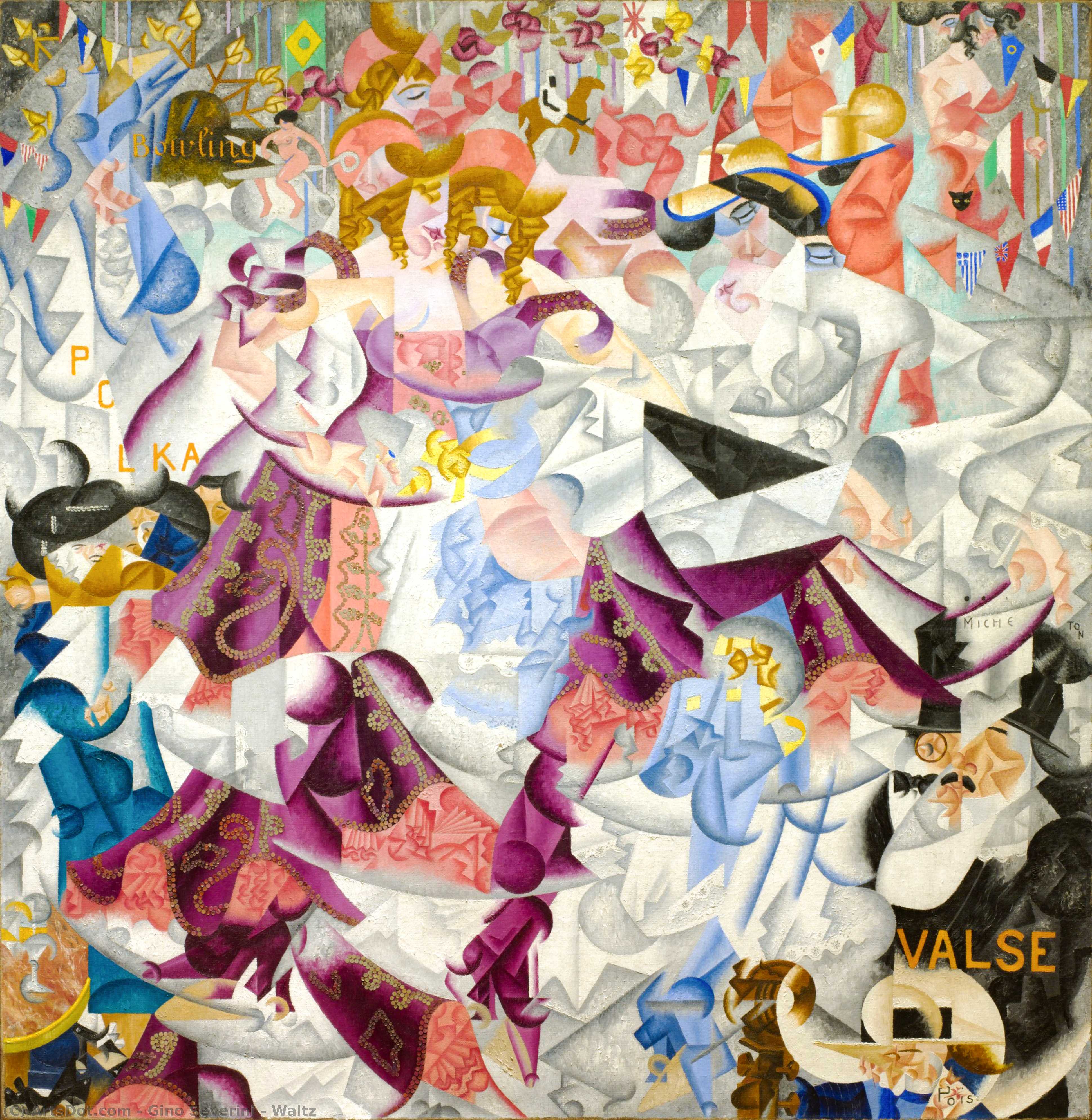
Experience the vibrant energy of Gino Severini's Futurist waltz capturing a dizzying Parisian dance floor; discover this dynamic masterpiece today.
 Leer más
Descubre a Gino Severini (1883-1966), pintor italiano clave en el Futurismo y Cubismo. Explora su arte dinámico, capturando movimiento y la vida moderna.
La obra de arte que se muestra en esta página está protegida por las leyes de propiedad intelectual, lo que significa que no podemos crear ni vender legalmente una reproducción idéntica. Esta protección se hace cumplir en virtud de acuerdos internacionales como el Convenio de Berna y por las leyes nacionales, incluidas aquellas establecidas por el Ley de derechos de autor de los EE. UU. - Título 17.
Este método cumple plenamente con las normativas de derechos de autor, ya que no implica la copia ni la duplicación de la obra protegida. En su lugar, se trata de una reinterpretación creativa: una nueva pintura influenciada por la original, pero que no es idéntica a ella.
Giclée / Impresión de arte
Impresiones giclée o en lienzo de calidad de museo con producción rápida y opciones de acabado flexibles. ( Encargar reproducción pintada a mano Ver versión en imagen digital)




P118B €10

P118H €10

P118W €10

P438Z €10

P508JH €12

P508YH €12

P805H €10

P805Z €10

P919BZ €10

P919G €10

P919XJ €10

P959ZH €10

P968JZ €12

W106C €8

W218G €10

W218JH €8

W218Y €10

W307PJ €10

W316G €10

W316PJ €8

W316Y €10

W398PJ €8

W4111J €10

W500HY €15

W500JH €15

W692G €12

W849H €8

W940BG €15

W953PJ €8




Estándar
personalizado
CM
INCH
Elija entre nuestros tamaños predefinidos que respetan las proporciones originales de la obra.
Loading sizes...

ancho
altura
Puede introducir sus propias dimensiones para adaptarse a un marco o espacio específico. Si el tamaño seleccionado no coincide con las proporciones de la imagen original, recortaremos la obra de arte o extenderemos la imagen con un borde con efecto espejo o de color sólido. Se enviará una maqueta digital para su aprobación antes de que comience la producción.
Tenga en cuenta que la vista previa en pantalla no refleja el recorte o la extensión real. Solo la maqueta mostrará con precisión la composición final.
Aunque existen tamaños personalizados, recomendamos seleccionar una dimensión de la lista predefinida para preservar las proporciones originales.
Envío a todo el mundo () en 2 semanas en lugar de las 4/5 semanas estándar. (12 octubre)

Envío exprés gratuito a todo el mundo

Lienzo de lino de alta calidad

Seguro de envío completo

Garantía de reembolso de impuestos aduaneros

Garantía de fidelidad cromática exacta

Política de devolución de 100 días (solo por defectos)

Garantía de devolución del 100% del dinero

Oferta por volumen
 La opción de vidrio solo está disponible en tamaños inferiores a 110 cm.

Waltz
Giclée / Impresión de arte
Tamaño de la reproducción
-


Precio total
€ 59
The Whirlwind Energy of Modern Life
To gaze upon Gino Severini’s "Waltz" is not merely to observe a dance; it is to be swept into its very current. This painting captures the exhilarating, almost breathless energy of a Parisian nightclub in the early 20th century. The scene pulses with life—a dizzying confluence of bodies caught in the rhythmic embrace of the waltz. Severini has masterfully translated the ephemeral nature of movement into solid pigment, creating a visual symphony where every swirling form contributes to an overwhelming sense of joyous abandon. It speaks directly to the modern experience: vibrant, chaotic, and utterly captivating.
Embracing the Futurist Spirit
This work stands as a quintessential artifact of the Futurist movement, an avant-garde explosion born from Italy’s desire to shed the weight of tradition and leap headfirst into the roaring promise of the machine age. The Futurists were revolutionaries in every sense—artistic, cultural, and even political. They worshipped speed, technology, and the raw dynamism of contemporary urban existence. In "Waltz," this philosophy manifests not through depictions of engines or skyscrapers, but through the very structure of the dance itself. The composition fragments, angles collide, and perspectives overlap, mirroring the sensory overload of a modern metropolis where multiple realities intersect at once.
Technique and Visual Alchemy
Severini’s technique here is nothing short of electrifying. He employs a vibrant, almost feverish palette—deep purples mingle with electric blues, punctuated by flashes of fiery red and acidic yellow. These colors do not simply decorate the figures; they seem to emanate from the very motion, suggesting light refracting off silk gowns and sweat under the club's glow. The brushwork itself is energetic, visible, and purposeful, lending a palpable texture to the air around the dancers. It is a masterful exercise in capturing kinetic energy, making the viewer feel the centrifugal force pulling them into the heart of the dance floor.
Symbolism of Motion and Modernity
Beyond the spectacle of the waltz, "Waltz" carries deeper symbolic weight. The dance itself represents humanity’s attempt to find order and connection amidst the accelerating pace of industrial modernity. Yet, this apparent structure is always on the verge of dissolution—a beautiful tension that defines the early 20th century spirit. For collectors and designers alike, owning this piece means acquiring a conversation starter; it suggests an appreciation for art that refuses stillness, embracing instead the glorious, messy momentum of life itself.
Bringing the Nightlife Home
For those seeking to infuse a space with intellectual vigor and undeniable drama, a reproduction of "Waltz" offers unparalleled depth. It functions as more than mere decoration; it is an emotional anchor, suggesting stories of glamour, rebellion, and unstoppable vitality. Whether placed in a grand hall or a richly decorated lounge, this artwork commands attention, inviting every passerby to slow down, look closer, and feel the irresistible urge to join the dance.
Preguntas y respuestas
¿Qué nivel de luminancia tiene "Waltz" de Gino Severini?
Los colores de "Waltz" muestran una luminancia de Bright Balance.
¿Qué origen nacional sustenta el Futurism de "Waltz"?
La obra de Futurism "Waltz" fue realizada por un artista nacido en Italia.
¿Qué lugar ocupa "Waltz" entre los temas recurrentes de Gino Severini?
"Waltz" representa waltz, dancers, nightlife, movement, futurism, energy, paris, mientras que los temas recurrentes de Gino Severini son futurist energy of modern life, celebration of speed and technology, break from traditional values. Al comparar ambos, se observa cómo la obra se relaciona con los temas habituales del artista.
What aliases or alternate names does Gino Severini have?
Gino Severini is also known as Ginó Severini.
¿A qué época pertenece "Waltz"?
"Waltz" pertenece a la época Modern.
¿Dónde puedo encontrar obras de arte similares a "Waltz" de Gino Severini?
Las obras similares a "Waltz" de Gino Severini se encuentran reunidas en la página de Similares de la obra.
¿Qué estado de ánimo expresa "Waltz" de Gino Severini dentro de Futurism?
Dentro del movimiento Futurism, "Waltz" está plasmada con un tono Energetic.
¿Cuál es el uso recomendado para una impresión de "Waltz"?
El uso sugerido para "Waltz" de Gino Severini es Statement. También puede servir para otros fines.
Biografía del artista
Primeros Años y Comienzos Artísticos
Gino Severini nació el 7 de abril de 1883 en Cortona, Italia, en una familia modesta; su padre era un funcionario judicial menor y su madre una costurera. Su educación temprana tuvo lugar en la Scuola Tecnica de Cortona hasta que él y varios compañeros fueron expulsados por intentar robar exámenes a los quince años. Este evento marcó el fin de su escolarización formal. A pesar de este contratiempo, Severini continuó persiguiendo sus intereses artísticos de forma independiente mientras trabajaba como empleado de una compañía naviera. Se mudó a Roma en 1899, donde comenzó a tomar clases de arte y desarrolló un interés temprano en el Divisionismo, influenciado por artistas como Giacomo Balla y Umberto Boccioni. Estos años formativos sentaron las bases para su posterior participación en el movimiento futurista.La Aceptación del Futurismo
La trayectoria artística de Severini dio un giro significativo cuando fue invitado a unirse a Filippo Tommaso Marinetti y Umberto Boccioni en el floreciente movimiento futurista. Se convirtió en firmante del *Manifiesto de los Pintores Futuristas* en 1910, alineándose con los ideales revolucionarios que celebraban el dinamismo, la velocidad, la tecnología y la modernidad. Severini desempeñó un papel crucial en la promoción del Futurismo a nivel internacional, ayudando a organizar la primera exposición fuera de Italia en la Galerie Bernheim-Jeune en París en 1912. Su obra durante este período, como *Norte-Sur* (1915), ejemplifica el énfasis futurista en capturar el movimiento y la energía a través de formas fragmentadas y colores vibrantes. La interpretación del Futurismo por parte de Severini a menudo se centró en representar escenas urbanas y bailarines, reflejando su interés en retratar la vida moderna y sus ritmos.Estilo e Influencias: Cubismo y Más Allá
El estilo artístico de Severini se caracterizó por una mezcla única de influencias. Aunque profundamente arraigado en la estética futurista, su obra también demostró un compromiso con el Cubismo, particularmente después de visitar París en 1911. Incorporó elementos de abstracción geométrica y perspectivas fragmentadas en sus pinturas, creando composiciones dinámicas que transmitían una sensación de simultaneidad y movimiento. Severini estuvo influenciado por artistas como Umberto Boccioni, Carlo Carrà y Giovanni Francesco Romanelli. Sus obras notables como *Vals* muestran esta fusión de estilos. Después de la Primera Guerra Mundial, el estilo de Severini se desplazó hacia el Neoclasicismo y el "retorno al orden", reflejando una tendencia más amplia en el arte europeo. Exploró temas y formas clásicas mientras retenía su uso distintivo del color y la composición.Años Posteriores y Legado
Tras la guerra, Severini continuó experimentando con varios medios artísticos, incluyendo mosaico y fresco. Dividió su tiempo entre París y Roma, produciendo obras que reflejaban tanto su herencia italiana como sus experiencias parisinas. Escribió extensamente sobre teoría del arte, contribuyendo al discurso en torno al modernismo. Gino Severini murió en París el 26 de febrero de 1966, a la edad de 83 años. Su legado como figura clave en el movimiento futurista y un importante contribuyente al arte italiano del siglo XX perdura. Sus pinturas se encuentran ahora en museos destacados de todo el mundo, incluyendo la Galleria Civica di Arte Moderna en Venecia, testimonio de su impacto duradero en el desarrollo del arte moderno.
Gino Severini
1883 - 1966 , Italia
Datos clave
- Artistas Influenciados: ['Movimiento Futurista']
- Artistas Que Influyeron:
- Giacomo Balla
- Umberto Boccioni
- Fecha De Fallecimiento: 26 de febrero de 1966
- Fecha De Nacimiento: 7 de abril de 1883
- Lugar De Nacimiento: Cortona, Italia
- Movimiento Artístico:
- Futurismo
- Cubismo
- Divisionismo
- Nacionalidad: Italiana
- Nombre Completo: Gino Severini
- Obras Notables:
- Norte-Sur
- Vals
- Autorretrato
Artículos relacionados

Speed, Power, and Motion: A Journey Through the Energetic Soul of Futurism
Explore the exhilarating energy of Futurism. From Italian dynamism to Russian Cubo-Futurism, journey through a masterclass in speed, power, and motion in art history with our expert cultural reflections.
Explore obras de arte organizadas por temas, estilos y características.

